
Why GFCI Outlets Are Required and Where They Should Be Installed
Electrical safety standards have evolved significantly over the last few decades to address the most common causes of household accidents. Ground Fault Circuit Interrupters, commonly known as GFCIs, represent one of the most important advancements in residential safety technology. These devices look like standard outlets but feature specific buttons that distinguish them from regular receptacles. Their primary function is to protect individuals from electrical shock rather than just protecting the wiring from overheating. Many homes in Lincoln still lack these critical devices in key areas due to age or previous unpermitted work. Understanding the function and necessity of these outlets is the first step toward creating a safer living environment.
The National Electrical Code has steadily expanded the requirements for GFCI installation since the early 1970s. This expansion reflects a growing understanding of how electricity interacts with water and the human body. Electricity always seeks the shortest path to the ground. If a tool or appliance malfunctions, or if you touch a live wire while standing on a wet surface, your body can become that path. A standard circuit breaker may not trip fast enough to prevent a fatal injury in this scenario because it is designed to detect massive overloads, not small leaks of current. The GFCI fills this gap by monitoring the balance of electrical flow with extreme precision.
Installing these devices is not just a matter of following rules. It is a practical measure to prevent tragedy. The technology inside a GFCI is sophisticated yet reliable. It saves thousands of lives annually by cutting power before a shock can stop a human heart. For homeowners in Lincoln, ensuring that these outlets are present and functioning correctly is a non negotiable aspect of home maintenance. You need to know where they belong and why the code mandates them in those specific locations.
The Mechanics of a Ground Fault
To understand why a GFCI is necessary, you must first understand what a ground fault is. In a properly functioning electrical circuit, the current flows from the source through the hot wire to the device and returns through the neutral wire. The amount of current going out should exactly match the amount of current coming back. A ground fault occurs when the electrical current strays from this intended path. This stray current might flow through a damaged wire insulation, a conductive appliance casing, or a person touching the device.
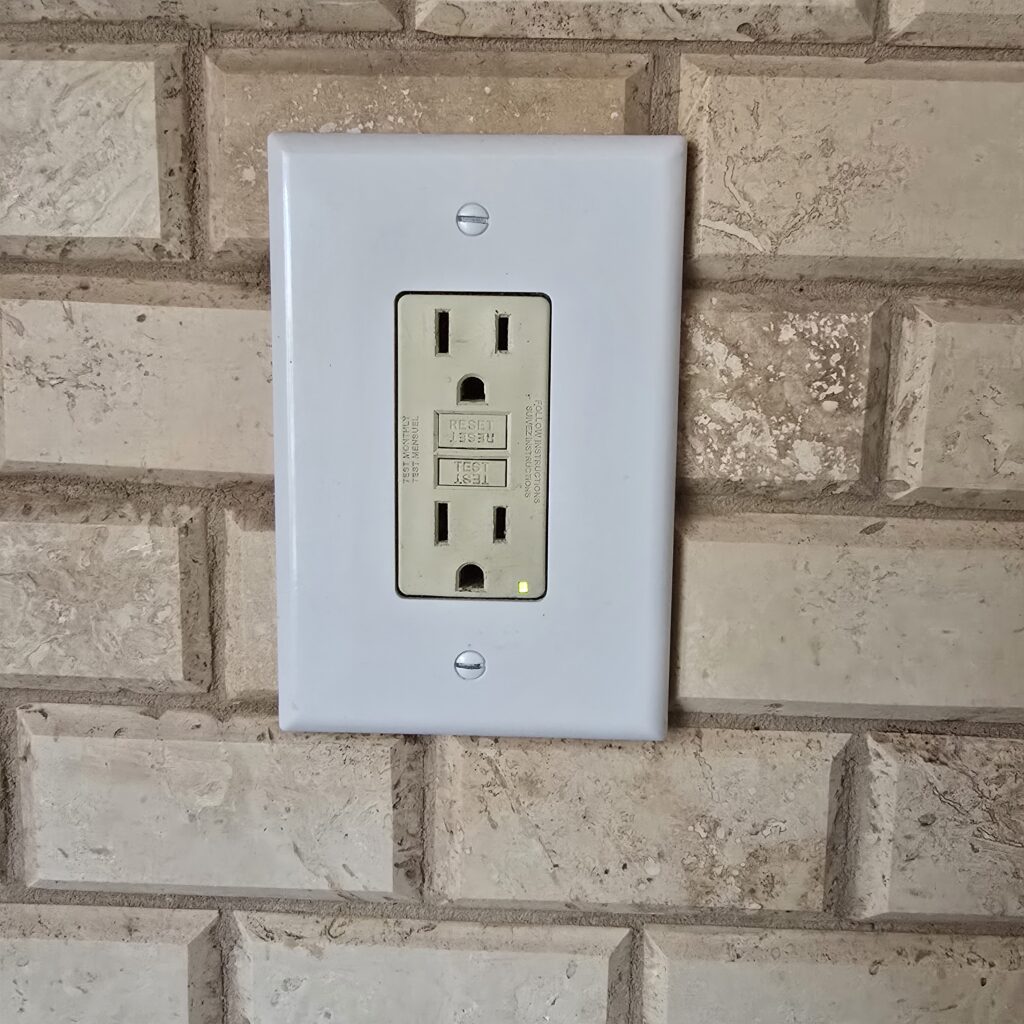
When electricity escapes the circuit, it looks for the ground. If you are touching a faulty appliance and standing on a conductive surface, the electricity flows through you. This is a ground fault. The resistance of the human body is often low enough to allow a dangerous amount of current to pass through. Even a small amount of current can cause muscle contractions that make it impossible to let go of the energized object. This phenomenon is known as the freeze threshold.
A GFCI receptacle contains a sensor that compares the current flowing in the hot wire to the current returning in the neutral wire. If the sensor detects a difference as small as four or five milliamperes, it recognizes that current is leaking somewhere. The device then trips a mechanism that opens the circuit and stops the flow of electricity. This entire process happens in a fraction of a second. It occurs so quickly that you might not even feel the shock or you might only feel a brief jolt before the power cuts out. This rapid response is what makes the difference between a minor incident and a fatality.
Kitchen Countertops and Dishwasher Requirements
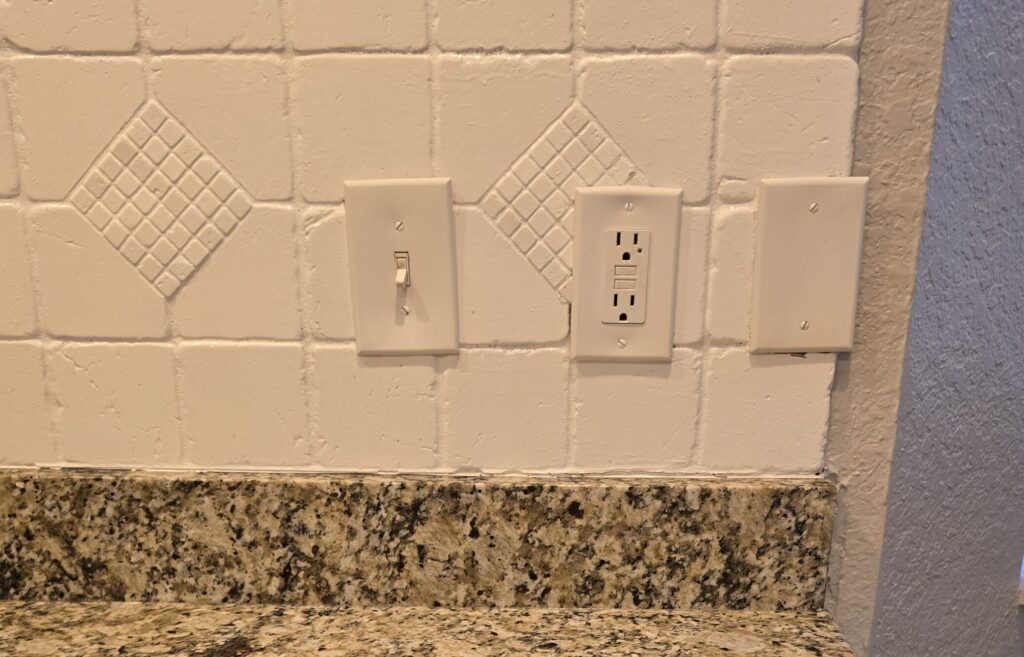
The kitchen is one of the most critical areas for GFCI protection due to the proximity of electricity and water. You use numerous small appliances near the sink, such as toasters, blenders, and coffee makers. The risk of an appliance falling into a sink filled with water or a user touching a device with wet hands is high. The electrical code requires all receptacles serving countertop surfaces to be GFCI protected. This applies to every outlet along the counter, regardless of how far it is from the sink.
The spacing of outlets in a kitchen is also regulated to ensure you never have to stretch a cord across a sink or stove. This minimizes the chance of cords dangling or getting snagged. When you plug a blender into a GFCI outlet, you are protected if the motor shorts out or if a spill occurs. Older homes in Lincoln may still have standard outlets in these areas. This is a significant hazard that should be addressed immediately. Upgrading these outlets is a straightforward job for a professional electrician and significantly reduces the risk of shock in the busiest room of the house.
Dishwashers also require GFCI protection under modern standards. This might seem redundant since the dishwasher is tucked away under the counter, but the risk remains. Dishwashers involve water and electricity mixing in a confined metal box. A leak or a component failure can energize the frame of the machine. If you touch the dishwasher while standing on a wet floor or touching the sink, you could be shocked. The protection for the dishwasher can be provided by a GFCI breaker in the panel or a GFCI device under the sink, depending on how the circuit is wired.
Bathroom Safety Zones
Bathrooms present the highest risk for electrical shock in the entire house. You are often barefoot and your skin is wet, which significantly lowers your body’s resistance to electricity. Water is present in the sink, tub, shower, and toilet. Consequently, the electrical code requires every outlet in a bathroom to have GFCI protection. There are no exceptions to this rule based on distance from water sources within the bathroom. The humid environment alone is enough to increase the conductivity of surfaces.
Hair dryers and curling irons are common sources of bathroom electrical accidents. If one of these devices falls into a bathtub or a sink full of water, the result can be deadly without protection. A GFCI cuts the power instantly in such an event. Even if the device is turned off, dropping it into water can still create a path for electricity if it is plugged in. The GFCI protection ensures that the circuit is de energized before the current can pass through the water to a person.
Light switches and fans in the bathroom generally do not require GFCI protection unless they are located directly inside the shower or tub enclosure. However, any outlet you might use for a razor or toothbrush must be protected. You should check your bathrooms to ensure that the reset buttons are visible on the outlets. If multiple bathrooms are on the same circuit, a single GFCI outlet in one bathroom might protect the outlets in the others. This is known as downstream protection. It is a valid wiring method but can be confusing when an outlet in the guest bath stops working because the master bath GFCI tripped.
Outdoor Receptacles and Weather Resistance
Outdoor outlets face harsh conditions including rain, snow, and extreme temperature fluctuations. They are also used for tools like hedge trimmers, electric mowers, and power washers. These tools have cords that can be easily cut or damaged during use. Standing on the ground while using a damaged tool creates a perfect path for a ground fault. Therefore, all outdoor receptacles must be GFCI protected. This includes outlets on patios, decks, porches, and balconies.
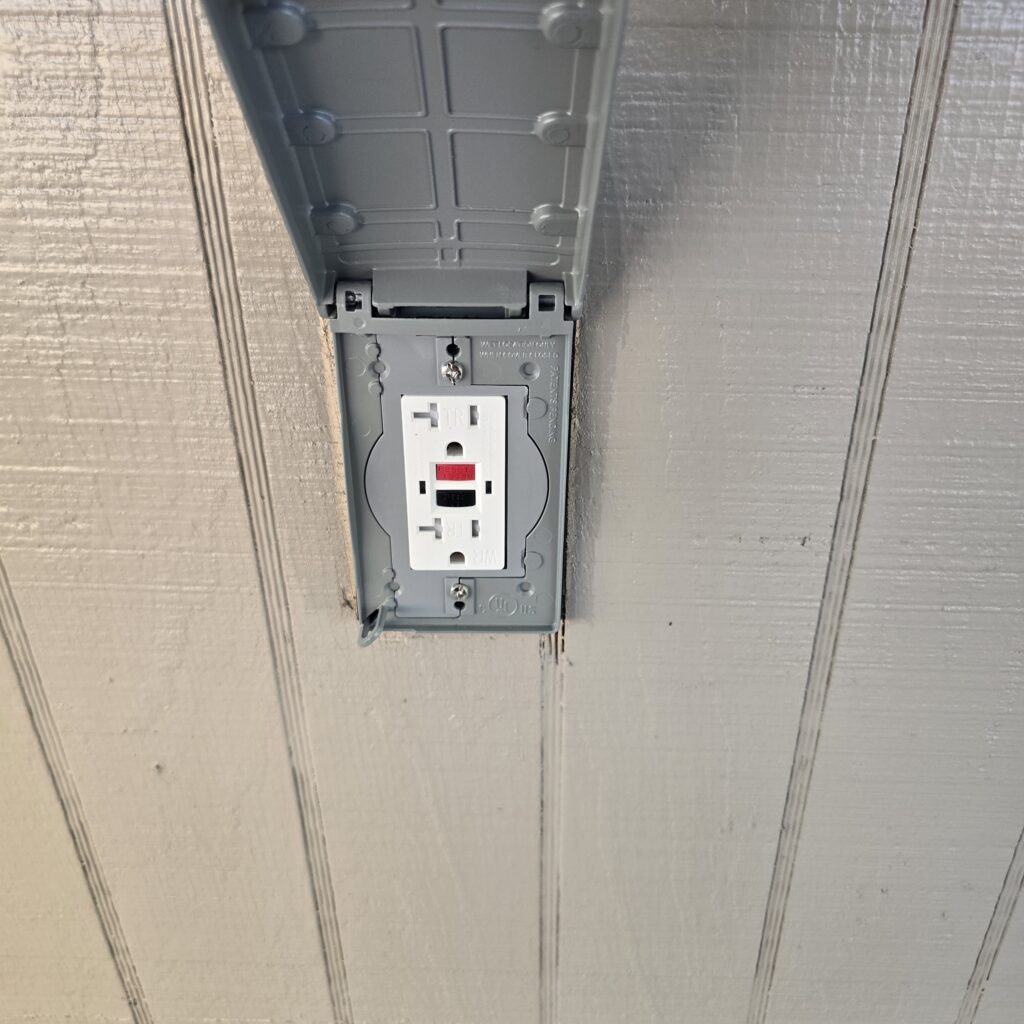
Moisture ingress is a constant threat to outdoor electrical components. Water can enter the outlet box and cause corrosion or short circuits. A GFCI installed outdoors must be weather resistant. You can identify these outlets by the WR marking on the face. Additionally, outdoor outlets require a specialized cover. An in use cover, often called a bubble cover, allows you to have a cord plugged in while the cover remains closed. This keeps rain out during operation.
Standard flat covers only protect the outlet when nothing is plugged in. This is insufficient for safety because the flap stays open while you are using the outlet, exposing the connection to the elements. Code requirements now mandate the use of bubble covers for all outdoor locations. You should ensure that your home is equipped with these covers and that the GFCIs are functioning. Outdoor GFCIs are more prone to nuisance tripping due to humidity accumulation. If an outdoor outlet trips constantly, it may need to be replaced with a fresh unit or inspected for moisture intrusion.
Garages and Accessory Buildings
Garages are technically treated as outdoor or semi outdoor spaces in the electrical code. The concrete floor of a garage is in direct contact with the earth. Concrete holds moisture and conducts electricity. If you are standing on the garage floor and touch a faulty tool or appliance, you are grounded. This makes GFCI protection mandatory for all receptacles in the garage. This rule applies to outlets used for workbenches, general power, and even the garage door opener.
Many homeowners use their garages as workshops. Power tools, battery chargers, and air compressors are common fixtures. These devices often have metal casings and heavy duty cords that see rough usage. The risk of a ground fault is elevated in this environment. There was a time when freezers and refrigerators in the garage were exempt from this requirement to prevent nuisance tripping from spoiling food. However, modern code has removed this exemption. Newer GFCI technology is less prone to false trips, and the safety risk of a non protected outlet in a garage is considered too high to ignore.
Accessory buildings like sheds and workshops also fall under this requirement. If you run power to a detached shed for a light and an outlet, that outlet must be GFCI protected. The same logic applies regarding the concrete or dirt floor. Any location where you are in direct contact with the earth requires this level of protection. Ensuring your garage and outbuildings are up to code protects you while you work on projects and maintain your vehicle.
Laundry Rooms and Wet Bars
Laundry areas involve large appliances that use both water and electricity. Washing machines can vibrate and move, potentially damaging the power cord over time. Sinks are often present in laundry rooms for hand washing clothes or cleaning items. The presence of water and the potential for wet floors necessitate GFCI protection. The code requires all outlets within six feet of the outside edge of a sink to be protected. In most laundry rooms, this effectively includes every outlet.
Utility sinks are particularly dangerous because they are often metal or have metal piping. Touching a live wire and the sink simultaneously creates a direct short through your body. GFCI outlets prevent this. The washing machine outlet itself must be protected. If you have a laundry sink, the outlets near it are subject to the same rules as kitchen counters. It is safer to have the protection and not need it than to need it and not have it.
Wet bars in living rooms or basements follow similar rules to kitchens. Any receptacle within six feet of the wet bar sink must be GFCI protected. This includes outlets installed on the countertop surface or on the wall behind it. You might use blenders or other appliances in this area. The risk of spilling liquid onto a connection is real. Ensuring these entertainment areas are safe allows you to host guests without worrying about electrical hazards.
Unfinished Basements and Crawl Spaces
Unfinished basements are defined by their lack of finished wall surfaces and floor coverings. The concrete floor poses the same grounding hazard as a garage. Consequently, all receptacles in unfinished basements must have GFCI protection. This includes outlets used for sump pumps, dehumidifiers, and general utility use. The sump pump is a critical device that sits in water. If the pump develops an electrical fault, it can energize the water in the pit and potentially the damp floor around it.
Crawl spaces are often damp and cramped. If you have an outlet installed in a crawl space for maintenance lights or tools, it requires GFCI protection. Working in a crawl space puts you in close contact with the earth and plumbing pipes. A shock in such a confined space can be particularly dangerous because you cannot easily pull away or escape. Technicians working under your home rely on these safety measures.
Sometimes homeowners finish a portion of a basement but leave the utility area unfinished. The rules apply based on the status of the specific area. The finished portion might follow general living area rules, while the utility room requires GFCIs. It is important to distinguish between these zones. If you are unsure about the status of your basement wiring, a professional assessment is necessary to determine where upgrades are needed.
Testing and Maintenance Protocols
Installing GFCI outlets is only the first step. You must maintain them to ensure they are ready to act when needed. Electronic components can fail over time due to surges, wear, or age. A GFCI that conducts electricity but fails to trip during a fault is a hidden danger. Manufacturers recommend testing every GFCI outlet once a month. This simple task verifies the internal mechanism is functioning.
To test the device, you simply press the button labeled test. The power to the outlet should cut off immediately, and the reset button should pop out. You should plug a lamp or small device into the outlet to confirm that the power is actually off. If the button does not pop out or if the light stays on, the GFCI is defective and must be replaced. After the test, press the reset button to restore power. If the device trips immediately upon resetting without anything plugged in, it indicates a wiring fault or a failed unit.
You should not rely on the little button on a plug tester alone. The internal test button on the device creates a true ground fault simulation that is more accurate. If you discover a faulty GFCI, you should not ignore it. A standard outlet offers no protection against shock. Replacing a bad unit is a priority. Over time, you might notice that a GFCI trips more frequently. This could be a sign that the device is wearing out or that there is a genuine issue with an appliance you are using. Do not simply swap it for a standard outlet to stop the tripping. You must investigate the cause to maintain safety.
Electrical safety relies on properly functioning equipment and adherence to modern standards. GFCI outlets are a non negotiable component of a safe home in Lincoln. They provide the only effective defense against ground faults that can cause severe injury or death. The requirements for these devices have expanded for a reason. Every location mandated by the code represents a proven risk zone where water and electricity are likely to meet. Ignoring these requirements places your family and your property in danger.
You should view your electrical system as a dynamic part of your home that requires attention. Checking for GFCI protection in kitchens, bathrooms, garages, and outdoor areas is a proactive way to manage risk. If your home is older, it likely has gaps in protection that need to be filled. Upgrading to GFCI outlets is a cost effective improvement that delivers immediate safety benefits. Do not wait for an accident to reveal a deficiency in your wiring.
3G Electric is dedicated to ensuring that every home in our community meets the highest safety standards. We understand the local architecture and the specific challenges Lincoln homeowners face. Our team can perform a comprehensive safety inspection to identify areas where GFCI protection is missing or malfunctioning. We handle the installation with precision, ensuring that the work is compliant and reliable. Take the step to secure your home today by reaching out to us for an assessment. Your safety is our profession.