
Electrical Safety Tips Every Lincoln Homeowner Should Know
Lincoln homeowners rely heavily on their electrical systems to power everything from air conditioning units during hot California summers to the growing number of smart devices in modern households. Electricity is a powerful force that demands respect and careful attention. Many residents overlook the condition of their wiring or panels until a major failure occurs. Ignoring signs of electrical distress can lead to property damage or serious injury. A proactive approach to maintenance ensures that your home remains safe and efficient. Understanding the basics of electrical safety allows you to spot problems before they escalate into emergencies.
The electrical grid and the components inside your walls degrade over time. Heat and constant usage wear down materials that were once pristine. Connections loosen and insulation becomes brittle. You need to recognize that the safety of your family depends on the integrity of these hidden systems. Regular visual inspections by a homeowner can catch surface level issues but deep safety requires professional insight. We want to provide you with the knowledge to identify red flags. This information empowers you to make smart decisions about repairs and upgrades.
Recognizing the Signs of Outdated Wiring
Older homes in Lincoln often contain wiring that does not meet modern safety standards. You might find knob and tube wiring or aluminum wiring in structures built decades ago. These materials were sufficient for the electrical loads of the past but struggle to keep up with today’s high demand. Knob and tube systems lack a ground wire. This absence significantly increases the risk of shock and damage to sensitive electronics. The insulation on these wires also crumbles after years of exposure to heat in attics and walls. Exposed wires create a direct fire hazard that is invisible to the naked eye until it is too late.

Aluminum wiring presents a different set of challenges. It expands and contracts more than copper when it heats up and cools down. This movement causes connections to loosen over time. Loose connections create gaps where electricity can arc. Arcing generates intense heat that can melt insulation and ignite surrounding materials like wood framing or drywall. You should look for flickering lights or outlets that feel warm to the touch. These are often the first indicators that your wiring is struggling. Replacing outdated wiring is a significant project but it is the only way to ensure total safety for older properties.
The Importance of Service Panel Capacity
Your electrical panel acts as the brain of your entire system. It distributes power to various circuits and protects your home from overloads. Many older panels were rated for 60 or 100 amps. Modern homes usually require 200 amps to operate safely and efficiently. A panel that is too small for your needs will constantly trip breakers. You might notice that turning on the microwave while the air conditioner is running causes the power to go out in part of the house. This is a clear sign that your panel cannot handle the load.
Consistently resetting breakers wears out the internal mechanisms. A breaker is designed to trip to save the wire from overheating. If you force it to stay on or ignore the underlying cause you risk a fire. Some older panel brands have known defects where the breakers fail to trip even during a massive surge. This failure allows current to flow unchecked until wires melt. Upgrading your panel is often necessary when adding new appliances or renovating. A modern panel provides room for expansion and ensures that safety mechanisms function correctly.
Ground Fault Circuit Interrupters Save Lives
Water and electricity are a deadly combination. Ground Fault Circuit Interrupters or GFCIs are designed to prevent shock in wet areas. You must have these installed in kitchens, bathrooms, laundry rooms, and outdoor spaces. A GFCI monitors the flow of current between the hot and neutral wires. It cuts the power instantly if it detects even a tiny imbalance. This rapid response happens faster than a heartbeat and prevents serious electrocution. Standard outlets do not offer this level of protection.
You should test your GFCI outlets monthly. Each unit has a test and reset button on the faceplate. Pressing the test button should cut power to the outlet immediately. If the button does not pop out or the power remains on the device is faulty. GFCIs wear out over time just like any other component. A non functioning GFCI provides a false sense of security. Replacing these devices is a quick task for a qualified electrician but it makes a massive difference in home safety. You must ensure that every outlet near a water source has this specific type of protection.
The Critical Role of Arc Fault Protection
Arc faults are a leading cause of electrical fires in the United States. An arc fault occurs when electricity jumps through the air between two conductors. This often happens due to damaged cords or loose connections. The intense heat from the arc can ignite nearby combustibles. Arc Fault Circuit Interrupters or AFCIs are different from GFCIs. While GFCIs protect people from shock AFCIs protect the home from fire. Current building codes require AFCI protection for most living areas including bedrooms and living rooms.

Older homes rarely have AFCI protection unless the panel was recently updated. You can often add this safety feature by installing AFCI breakers in your main panel. These smart breakers detect the unique signature of dangerous arcing. They distinguish between normal arcing like a vacuum cleaner motor and dangerous arcing from a frayed wire. Nuisance tripping can occur with older appliances but modern AFCI technology is much more refined. Adding this layer of defense is a smart investment for any Lincoln homeowner concerned about fire prevention.
Extension Cord Safety and Usage
Extension cords provide a convenient way to power devices temporarily. Relying on them for permanent use creates a significant hazard. These cords are not insulated or protected like the wiring inside your walls. They are easily damaged by foot traffic or furniture. A crushed cord can short circuit and spark a fire. You should never run extension cords under rugs or carpets. The material traps heat and prevents you from seeing physical damage to the cable.
Daisy chaining involves plugging one extension cord into another to reach a greater distance. This practice increases resistance and causes voltage drop. The cords can overheat and melt at the connection points. You should always use a cord that is rated for the device you are powering. A thin cord used for a space heater will become dangerously hot very quickly. If you find yourself constantly needing extension cords it is time to install more outlets. Adding permanent receptacles eliminates the need for temporary wiring and improves the functionality of your room.
Outlet and Switch Maintenance
Outlets and switches endure constant physical interaction. We plug and unplug devices daily. This mechanical action eventually loosens the internal contacts. A loose outlet cannot grip the plug blades securely. This poor connection increases resistance and generates heat. You might hear a buzzing sound or see a spark when you plug something in. These are warning signs that the receptacle is failing. A warm faceplate is another indicator of internal issues that require immediate attention.
Switches also fail after years of toggling. A switch that feels mushy or crackles when used is defective. Continuing to use a broken switch can result in arcing inside the electrical box. You should replace any device that shows physical damage such as cracks or discoloration. Scorched marks around the slots of an outlet indicate that a flashover has already occurred. Ignoring these small components puts the entire circuit at risk. Proactive replacement keeps the system tight and secure.
Surge Protection for Modern Electronics
Lincoln experiences its fair share of storms and grid fluctuations. Power surges can destroy sensitive electronics in a split second. A surge is a sudden spike in voltage that exceeds the normal flow. Lightning strikes are the most dramatic cause but internal surges from large appliances turning on are more common. Motors in refrigerators and air conditioners send small spikes back into the system every time they cycle. These cumulative hits degrade the microchips in computers and smart TVs over time.
Power strips with surge protection offer limited defense. They only protect the devices plugged directly into them and have a limited lifespan. A whole home surge protector is installed at the main panel. It acts as a gatekeeper for the entire house. This device diverts excess voltage to the ground before it can travel to your outlets. It protects hardwired appliances like your stove and HVAC system which standard power strips cannot reach. Combining whole home protection with point of use strips offers the best defense against voltage irregularities.
Dangers of DIY Electrical Work
Many homeowners feel tempted to perform their own electrical repairs to save money. This approach is fraught with danger. Electrical work requires a deep understanding of code requirements and load calculations. A simple mistake like reversing the polarity on an outlet can leave a device energized even when it is turned off. Failing to tighten a wire nut sufficiently can lead to arcing and fire. You might think you fixed the problem only to create a hidden hazard that manifests months later.
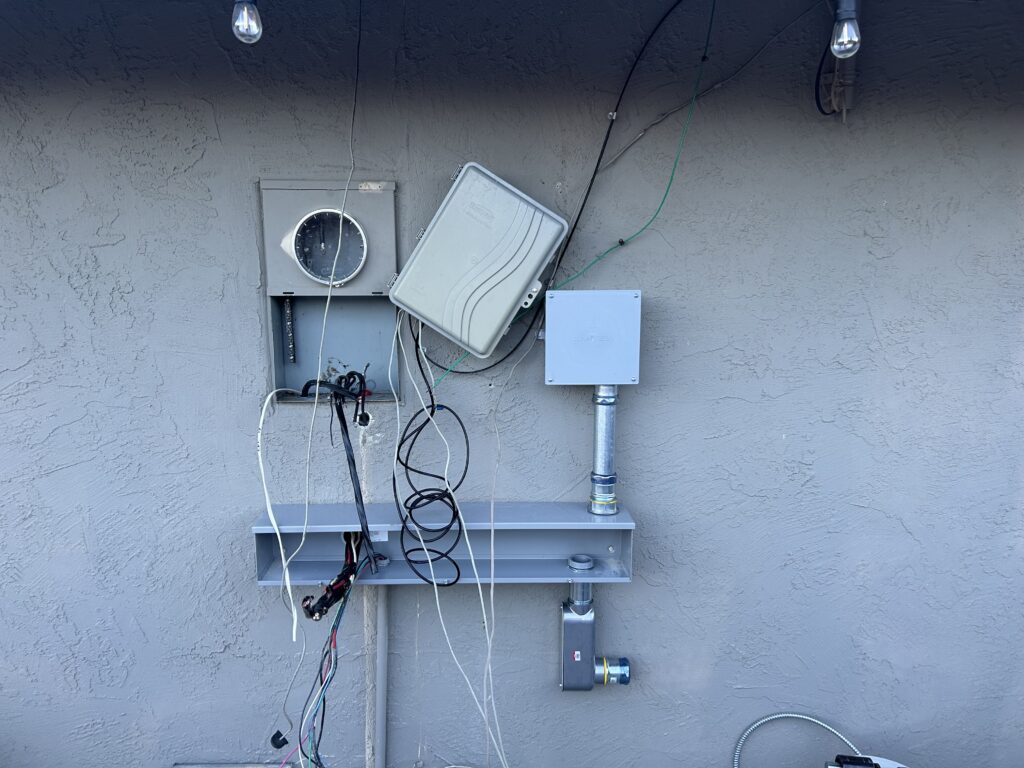
Permitting is another critical aspect of electrical work in Lincoln. Most significant changes to your system require a permit and inspection. Work done without a permit can complicate the sale of your home and may void your insurance policy. Professional electricians carry the necessary liability insurance and offer warranties on their craftsmanship. We undergo rigorous training to stay updated on the latest safety protocols. Trusting a licensed professional ensures that the work meets all regulatory standards. The peace of mind you gain is worth far more than the money saved by attempting the job yourself.
Lighting Fixture Safety and Wattage
Lighting fixtures are designed to handle a specific maximum wattage. Installing a bulb that exceeds this rating creates excessive heat. This heat can damage the fixture’s socket and the insulation on the wires above it. This is a common cause of ceiling fires. You should always check the label on the fixture before replacing a bulb. Modern LED bulbs solve many of these issues by consuming far less power while producing the same amount of light. They run cooler and reduce the strain on your electrical system.
Recessed lighting requires special attention regarding insulation. Some cans are rated for contact with insulation while others require a clearance zone. Covering a non-rated fixture with attic insulation traps heat and creates a fire risk. You need to verify the type of fixtures installed in your home before adding insulation to your attic. Flashing lights can indicate a loose bulb or a problem with the fixture’s wiring. Investigating these issues promptly prevents heat buildup. Proper lighting maintenance contributes to both safety and energy efficiency.
Outdoor Electrical Safety
Exterior electrical components face harsh environmental conditions. Rain and sun take a toll on outlet covers and conduit. You must ensure that all outdoor outlets have weather resistant covers. These covers protect the receptacle from moisture even when a cord is plugged in. Standard indoor outlets are not suitable for exterior use. You need devices specifically rated for weather resistance to prevent corrosion and failure.
Underground wiring must be buried at the correct depth to prevent accidental damage. Digging in your yard without knowing where lines are located is dangerous. You should always call for a utility locate before starting any landscaping project. Low voltage lighting systems are safer for DIY installation but still require care. Connections must be watertight to prevent shorts. Keeping vegetation trimmed away from exterior service equipment allows for airflow and easy access during an emergency. Maintaining your outdoor electrical system is just as important as maintaining the interior.
Electrical safety is not a passive activity. It requires vigilance and a willingness to address issues as they arise. Lincoln homeowners must respect the complexity of their electrical systems. From the service panel to the smallest outlet every component plays a role in keeping your home safe. Ignoring warning signs like flickering lights or tripping breakers leads to preventable disasters. You have the power to protect your property by staying informed and calling for professional help when needed. Investing in maintenance and upgrades is an investment in the longevity of your home. 3G Electric stands ready to assist you with accurate assessments and skilled craftsmanship. Prioritize the safety of your household by taking action on these tips today.