
What Causes Power Outages Inside the Home
Losing power is a frustrating disruption that brings daily life to a sudden halt. You flip a switch and nothing happens or the television shuts off right in the middle of a show. Your first instinct is usually to look out the window. If the streetlights are on and your neighbors have power the issue is isolated to your property. Internal power outages are distinct from grid failures caused by storms or utility work. They indicate that something within your specific electrical system has failed or operated correctly to prevent a hazard. Understanding why power fails inside the home requires looking at the protective mechanisms designed to keep you safe.
The electrical system in your Lincoln home is a complex network of circuits, wires, and safety devices. It is designed to deliver energy efficiently but it is also designed to fail safely. When a circuit shuts down it is almost always because the system detected a condition that could lead to a fire or shock. The breaker tripping is not the problem but rather the symptom of an underlying issue. Many homeowners find themselves confused when a specific room goes dark while the rest of the house remains lit. Diagnosing these partial outages requires a systematic approach to identify the root cause.
Circuit Overloads and Excessive Demand
The most common reason for a localized power outage is a circuit overload. Every circuit in your home is rated to handle a specific amount of electrical load. This is measured in amps. Most standard residential circuits are rated for either 15 or 20 amps. When you demand more power than the circuit can provide the breaker heats up. The internal mechanism inside the breaker is designed to trip when it reaches a certain temperature threshold. This cuts the power to protect the wiring inside your walls from melting and starting a fire.
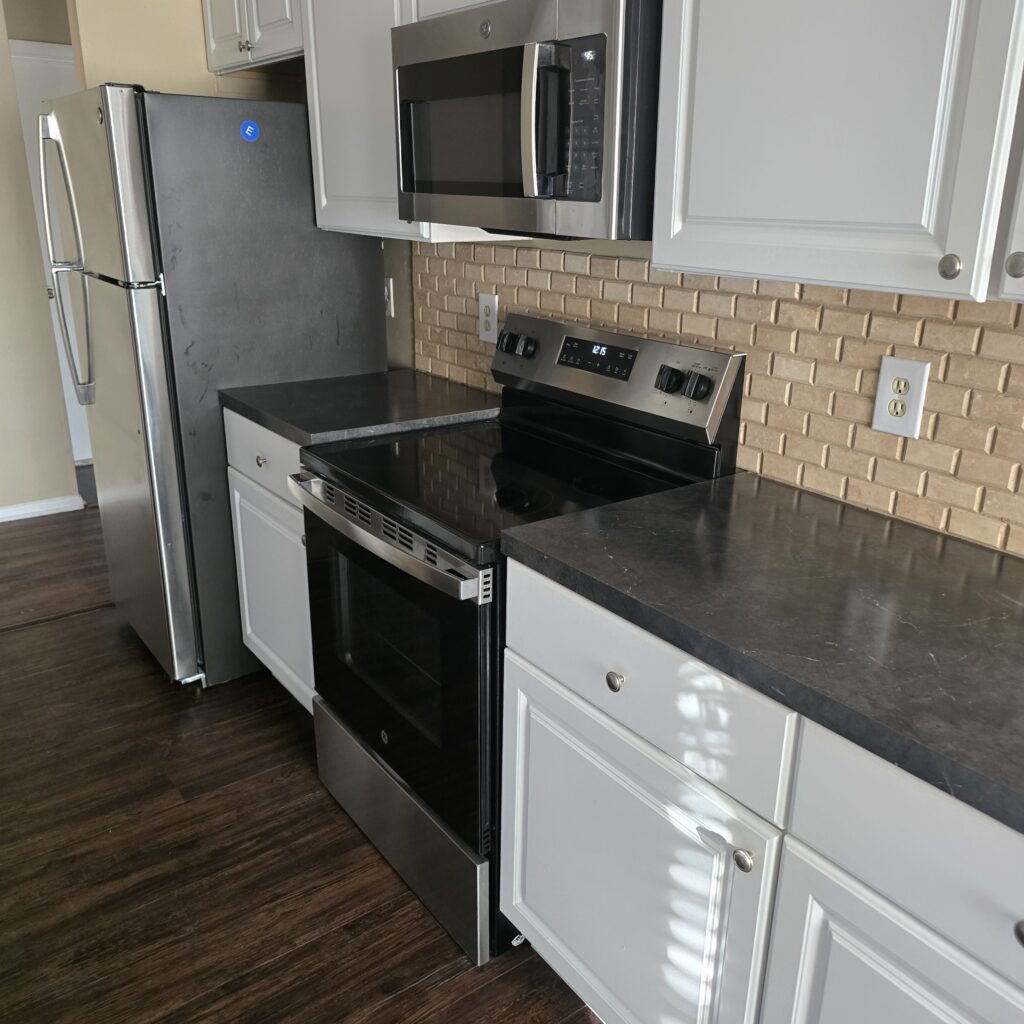
Overloads frequently happen in areas where we use high consumption appliances. The kitchen and the bathroom are prime locations for this to occur. You might run the microwave and the toaster oven at the same time on the same circuit. These devices draw a significant amount of current. If the total draw exceeds the rating of the breaker it will trip. This often happens in older Lincoln homes where the electrical design did not anticipate the number of gadgets we use today. You might not realize that the outlets in your bedroom are shared with the hallway lights. Plugging in a portable space heater can easily push a general lighting circuit over its limit.
Managing electrical load is the primary solution to this problem. You need to know which outlets are on which circuit. This knowledge allows you to distribute high wattage devices across different breakers. If you constantly trip the breaker in your home office you are likely asking too much of that single line. Resetting the breaker without reducing the load will only result in another outage moments later. Continually forcing a breaker to reset against an overload damages the device and compromises your safety.
Short Circuits and Direct Faults
A short circuit is a more severe type of electrical fault than a simple overload. It occurs when a hot wire comes into direct contact with a neutral wire. This contact creates a path of least resistance for the electricity. The current bypasses the intended load, such as a light bulb or appliance motor, and flows instantly across the connection. This results in a massive surge of amperage that far exceeds the circuit rating. The breaker senses this surge and trips almost instantaneously to prevent an explosion or fire.
You can often identify a short circuit by the sound it makes. An overload might happen silently but a short circuit is often accompanied by a loud pop or a snapping noise. You might also see a spark at the outlet or smell ozone. Physical damage to the wiring is a leading cause of short circuits. This can happen if a wire slips out of a terminal on the back of a switch. It can also occur if the insulation on a wire is damaged by a nail or screw driven into the wall.
Appliances themselves can cause short circuits. If the internal wiring of a lamp or a vacuum cleaner frays the hot and neutral wires inside the cord can touch. Plugging this damaged device into the wall will immediately kill the power to the circuit. Diagnosing a short requires unplugging everything on the affected circuit and resetting the breaker. If the breaker holds you know the problem is with one of the devices. If the breaker trips immediately with nothing plugged in the short is likely inside the walls or in a receptacle box.
Ground Faults and Moisture Intrusion
Ground faults are a specific type of short circuit where the hot wire touches the ground wire or a grounded portion of the electrical box. This diverts the current directly to the earth. While the result is similar to a standard short circuit the cause is often different. Moisture is a frequent culprit in ground faults. Water conducts electricity very well. If water leaks into an outlet box or a light fixture it creates a bridge between the live parts and the metal housing. This is why you see ground faults most often in bathrooms, kitchens, and outdoor areas.
Ground Fault Circuit Interrupters are devices installed to detect this specific problem. They monitor the balance of current leaving and returning. If even a tiny amount of current leaks to the ground the GFCI cuts the power. This happens much faster than a standard breaker can react. A GFCI outlet that refuses to reset is doing its job. It is sensing that a ground fault is still present. This could be due to high humidity, a splash of water, or a defect in the device plugged into it.
Outdoor lighting is particularly susceptible to ground faults. Rainwater can seep into cracked gaskets on landscape lights or exterior sconces. This moisture creates a path for the electricity to escape to the ground. When this happens the GFCI protecting the outdoor circuit will trip and shut off the power. You might find that your patio outlets stop working after a heavy rainstorm. This is a protective measure. You must allow the components to dry out and inspect them for seals that have failed before restoring power.
Arc Faults and Loose Connections
Arc faults are a dangerous and often silent cause of power interruptions. An arc fault happens when electricity jumps through the air between two conductors that are not quite touching. This usually results from loose connections or corroded wires. The electricity has to work hard to bridge the gap which generates intense heat. This heat can break down insulation and ignite surrounding materials like wood studs or drywall paper. Arc faults are a leading cause of electrical fires in residential structures.

Modern electrical codes require Arc Fault Circuit Interrupters in many living areas. These specialized breakers can distinguish the unique signature of a dangerous arc from the normal arcing of a switch or motor. If your bedroom or living room power cuts out randomly it might be an AFCI breaker detecting a loose wire. This could be a wire nut that was not twisted tightly enough during installation. It could also be a screw terminal on an outlet that has worked its way loose over years of use.
Identifying the location of an arc fault can be difficult. The issue might be behind a wall or inside a junction box in the attic. You cannot simply look for a tripped breaker and flip it back on with confidence. If an AFCI breaker trips it is warning you of a potential fire hazard. You should check the cords of all lamps and devices in the room for signs of damage. Pinched cords behind furniture are common sources of arcing. If the external cords look fine the problem likely lies within the permanent wiring of the house.
Failures in the Electrical Panel
Sometimes the cause of the outage is not in the wiring or the appliances but in the distribution equipment itself. The electrical panel is a mechanical device. The circuit breakers inside contain springs, levers, and contacts. These components wear out over time. A breaker that has tripped many times may become weak. It might start tripping at a lower amperage than its rating. A 20 amp breaker might start shutting off at 15 amps because the internal spring has lost its tension.
Bus bar corrosion is another issue that can lead to power loss. The bus bar is the metal strip that distributes power to the breakers. In humid environments or panels located in damp garages oxidation can build up between the breaker and the bus bar. This creates resistance and heat. Eventually the connection can fail completely causing the breaker to stop passing power even if it appears to be in the on position. You might flip the switch back and forth and still have no lights.
Main breakers can also fail. If you lose power to half of your house it often indicates a problem with one leg of the incoming service or the main breaker itself. Residential power is delivered in two 120 volt phases. If one of those phases is lost at the main connection every 240 volt appliance like your dryer or AC unit will stop working properly and half of your 120 volt circuits will go dead. This is a serious situation that requires immediate professional attention. You should never attempt to service the inside of a main panel yourself due to the risk of electrocution.
Impact of Rodents and Pests
Lincoln homeowners are not strangers to the local wildlife. Rodents like squirrels, rats, and mice pose a significant threat to electrical systems. These animals have a constant need to chew to keep their teeth sharp. Unfortunately the insulation on electrical wire is a convenient material for them. They often gnaw on wires in attics, crawl spaces, and inside wall cavities. When they chew through the protective coating they expose the bare copper conductor.
This damage often leads to short circuits or arc faults. A rat might chew through a wire and cause a dead short that trips the breaker instantly. In worse scenarios the animal might be electrocuted in the process which leaves a carcass that attracts other pests. The damage can be intermittent at first. You might notice lights flickering or power cutting out when the wind blows if the wire is in a location where it can move.
Detecting rodent damage requires a thorough inspection of the hidden areas of your home. You should look for droppings or nesting materials in the attic near cable runs. If you suspect that pests have compromised your wiring you must address the infestation and the electrical damage simultaneously. Repairing the wire without removing the rodents will only lead to a repeat of the problem. Specialized electricians can identify the telltale signs of chew marks and replace the damaged sections of wiring to restore safety.
The Role of Faulty Appliances
It is easy to blame the wiring when the power goes out but often the culprit is plugged into the wall. Appliances age and their internal components degrade. A refrigerator compressor that is on its last leg might draw excessive current every time it tries to start. This startup surge can trip the breaker. You might find that the kitchen power goes out every time the fridge cycles on. This is an appliance failure masquerading as an electrical problem.

Old vacuum cleaners are notorious for causing trips. As the motor bearings wear out the friction increases. The motor has to work harder to spin which draws more amps. If the vacuum is already a high wattage device this extra demand pushes the circuit over the edge. Similarly, heating elements in dryers or water heaters can short out internally. When the element cracks the internal wire touches the casing and causes a direct ground fault.
Isolating a faulty appliance requires a process of elimination. If a breaker trips unplug everything on that circuit. Reset the breaker. If it stays on plug the devices back in one by one. The device that causes the trip is the source of the trouble. You should stop using that appliance immediately. Continuing to use a device that trips the breaker is dangerous. It indicates that the internal safety insulation of the product has failed. Replacing the appliance is the only way to solve the outage issue in this scenario.
Wiring Material and Age Factors
The age of your home plays a significant role in the reliability of your power. Homes built in different eras utilize different materials and standards. Aluminum wiring was used in many homes during the 1960s and 1970s. Aluminum expands and contracts more than copper. Over time this movement causes the connections at switches and outlets to loosen. A loose connection breaks the flow of electricity. You might have power at the switch but not at the light fixture.
Knob and tube wiring is another antiquated system found in historic properties. This system relies on porcelain knobs to secure the wire and tubes to pass through studs. It lacks a ground wire entirely. The insulation on these wires is often made of cloth and rubber which becomes brittle and crumbles away. As the insulation fails the bare wires can touch pipes or other wires causing outages. The connections in knob and tube systems were often soldered and taped. The tape dries out and falls off leaving live joints exposed.
Even standard copper wiring degrades over decades. The plastic insulation can harden and crack especially in hot attics. Junction boxes that were once accessible might be buried behind drywall during renovations. A buried junction box with a loose wire nut is a nightmare to locate. If a connection separates inside a hidden box the circuit will go dead. Troubleshooting these issues requires tracing the circuit path and locating the break. Updating old wiring is a substantial project but it eliminates the persistent outages caused by material failure.
Power outages inside the home are rarely random events. They are clear signals that the electrical system is operating under stress or has encountered a fault. From overloaded circuits caused by modern demand to the physical damage left by rodents the reasons for power loss are varied. Ignoring these interruptions or repeatedly resetting breakers without investigating the cause is a dangerous practice. The safety mechanisms in your panel are there to protect your property and your family from fire and shock.
Restoring power permanently requires accurate diagnosis and professional repair. You need to understand the limits of your system and the condition of your wiring. 3G Electric specializes in tracking down the hidden causes of residential power failure. We have the tools and the experience to distinguish between a faulty appliance and a dangerous arc fault. We serve the Lincoln community with a commitment to safety and honest workmanship. If you are experiencing frequent breaker trips or unexplained outages contact us. We will ensure that your lights stay on and your home remains safe.