
Electrical Panel Repair vs Full Panel Replacement
The electrical panel serves as the heartbeat of your home’s energy system. It distributes electricity from the grid to the various circuits that power your lights, appliances, and devices. Homeowners in Lincoln often take this metal box for granted until the lights go out or a burning smell drifts from the garage. When issues arise you face a significant decision. You must determine if a targeted repair is sufficient or if the entire unit requires replacement. This choice impacts your budget, your safety, and the long term functionality of your property. Making the right call requires an understanding of how these systems work and how they age.
Electrical panels are durable pieces of equipment but they are not immortal. They endure constant stress from the flow of current and the environmental conditions of the installation site. Heat is a byproduct of electricity. Over years of service this heat expands and contracts the metal components. This physical movement degrades connections and weakens the internal springs of circuit breakers. A panel that functioned perfectly in 1990 might struggle to handle the load of a modern household equipped with electric vehicles and high efficiency HVAC systems. The line between a simple fix and a necessary upgrade is often defined by the age of the equipment and the severity of the damage.
The Lifecycle of Residential Electrical Equipment
Most electrical panels are designed to last between twenty five and forty years. This lifespan assumes ideal conditions and regular maintenance. In reality many panels face humidity, dust, and amateur modifications that shorten their effective life. The copper or aluminum bus bars inside the panel conduct the main power. Over time these bars can oxidize. Oxidation increases resistance. Resistance creates heat. This cycle accelerates the deterioration of the entire assembly. You might not see this degradation from the outside but inside the enclosure the metal is slowly losing its ability to conduct power safely.

Circuit breakers themselves are mechanical devices. They contain springs, levers, and bimetallic strips that react to heat and magnetic fields. These moving parts eventually wear out. A breaker that trips frequently due to overloads loses its tension. It may eventually fail to reset or it might fail to trip when it should. A breaker that does not trip during a fault is a massive fire hazard. It allows unchecked current to flow until wires melt. Recognizing where your panel sits in its lifecycle is crucial. If your home was built fifty years ago and still has the original box you are operating on borrowed time regardless of its current performance.
The availability of replacement parts is another factor that dictates the lifespan of the equipment. Manufacturers update their product lines and phase out older models. Finding a new, safe breaker for a panel that has been out of production for two decades is difficult. You might be forced to rely on refurbished or used parts. Installing used safety equipment carries inherent risks. When parts become scarce or expensive the panel has effectively reached the end of its viable service life. It becomes a liability rather than an asset.
When Repair Is the Prudent Choice
Not every electrical issue demands a complete system overhaul. There are many scenarios where a repair is the most logical and cost effective solution. If you have a relatively modern panel that is in good condition a single failed circuit does not spell doom. Sometimes a breaker fails simply because it was defective or took a massive surge. In this case swapping out the bad breaker for a new one of the same brand and rating is a perfectly acceptable repair. It restores functionality without the expense of a full upgrade.
Loose connections are another common problem that can be repaired. The vibration from alternating current can cause the screws holding wires to back out over time. This leads to arcing and flickering lights. A skilled electrician can torque these connections back to manufacturer specifications. If the heat from the loose connection has not damaged the bus bar or the breaker itself simply tightening the lug solves the problem. This type of maintenance extends the life of the system and ensures that the current flows without unnecessary resistance.
Damage from external factors can sometimes be isolated and fixed. If a rodent chews the insulation on a wire entering the panel you might be able to splice the wire or pull a new section without changing the box. If water leaks onto the panel but is caught immediately you might only need to replace the affected breakers and seal the leak. The key is the condition of the enclosure and the bus bars. If the structural integrity of the box is sound and the conductive metal is clean a repair is a viable option. We assess the specific damage to determine if the rest of the unit remains safe for continued use.
Critical Signs That Mandate Replacement
Certain conditions make repair impossible or dangerous. The most pressing reason for immediate replacement is the presence of an obsolete or defective panel brand. Panels manufactured by Federal Pacific Electric and Zinsco are notorious in the electrical industry. These panels have design flaws that allow breakers to jam in the on position. They might appear to be working fine because the power is on but they will not shut off during a short circuit. These panels are latent fire hazards. No reputable electrician will repair these units because the design itself is fundamentally unsafe. Replacement is the only responsible course of action.
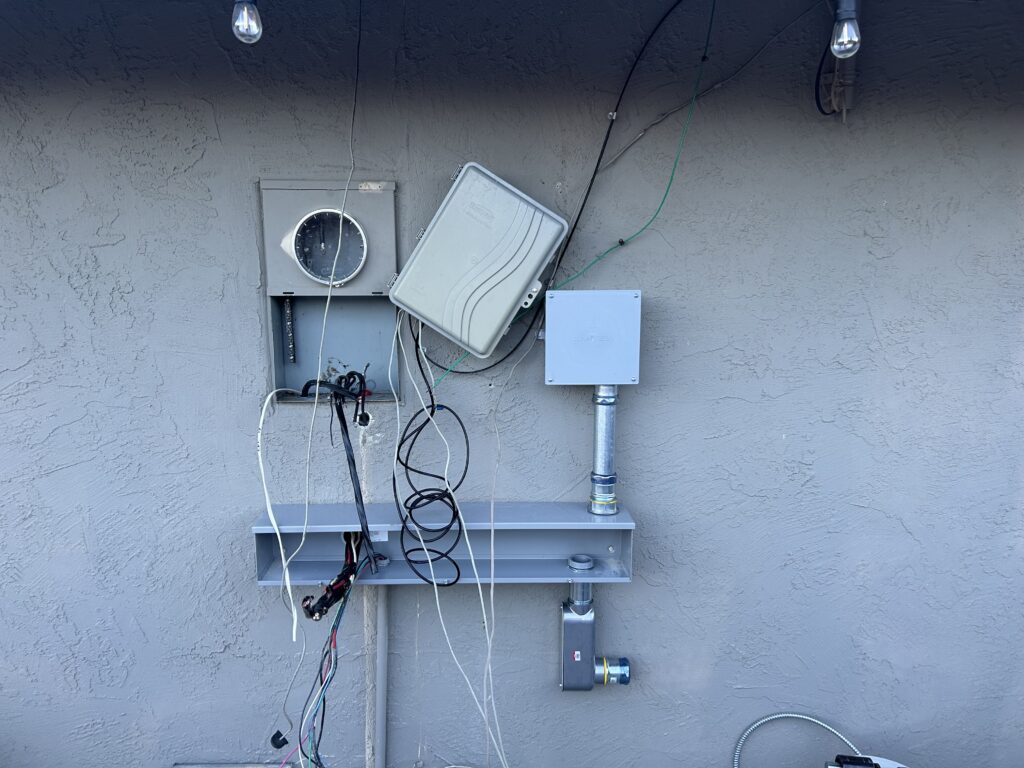
Physical damage to the bus bar is another deal breaker. If a breaker has been loose for a long time it will arc against the bus bar. This arcing pits and burns the metal. Once the bus bar is damaged you cannot simply snap in a new breaker. The connection will never be tight again. The new breaker will burn up just like the old one. Since the bus bar is the spine of the panel you cannot replace it easily. The entire interior of the box is compromised. This type of catastrophic failure requires the removal of the old panel and the installation of a new one.
Water damage often leads to full replacement. When water enters an electrical panel it starts a chemical reaction. Rust and corrosion form on the terminals and the breaker internals. You cannot clean corrosion out of the hidden mechanisms of a circuit breaker. Even if the panel looks dry now the damage from a previous leak continues to eat away at the metal. Corroded contacts have high resistance. High resistance causes heat. If you see rust streaks at the bottom of your panel or white powder on the wires the equipment is compromised beyond the point of safe repair.
The Impact of Modern Energy Demands
Our homes use electricity differently than they did thirty years ago. The sheer volume of devices we rely on has exploded. We have computers, large televisions, smart appliances, and powerful HVAC systems running simultaneously. Older panels were often rated for 100 amps or even 60 amps. This capacity is insufficient for a modern lifestyle. If you constantly trip the main breaker or if your lights dim when the air conditioner turns on your panel is undersized. Repairing a small panel will not give you more power. You need a service upgrade to increase the capacity of the supply.
Electric vehicles are driving a massive shift in residential power needs. A Level 2 EV charger draws a significant amount of continuous current. Adding this load to a 100 amp panel is often mathematically impossible without overloading the system. To support the charging infrastructure for your car you usually need to step up to a 200 amp panel. This upgrade provides the necessary headroom to charge your vehicle overnight while running the dryer and the oven. It is an investment in the usability of the home.
Solar power integration also triggers the need for a panel upgrade. Solar systems backfeed power into your panel. The bus bar must be rated to handle the combined current from the utility and the solar inverter. Older panels or panels with small bus bar ratings cannot safely accommodate this backfeed. If you are planning to go green with solar panels or battery backup systems a main panel upgrade is almost always a prerequisite. It ensures that your renewable energy system integrates seamlessly with your home wiring.
Safety Codes and Insurance Implications
The National Electrical Code is updated every three years to reflect new safety technologies and findings. Modern panels are required to support advanced safety devices that did not exist in the past. Arc Fault Circuit Interrupters and Ground Fault Circuit Interrupters are now standard for most circuits in a house. These devices detect dangerous arcing and shock hazards. Older panels often lack the physical space or the mounting hardware to accept these larger, more sophisticated breakers. Sticking with an old panel means missing out on significant safety advancements that protect your family from fire and electrocution.

Insurance companies are becoming increasingly strict about electrical systems. Many insurers will refuse to write a new policy or will drop an existing policy if they discover a home has a fuse box or a known defective panel brand. They view these outdated systems as high risks for claims. If you are planning to sell your home in Lincoln an inspector will flag an old panel immediately. It can become a major point of contention during negotiations. Buyers are wary of taking on the expense of a replacement immediately after closing.
Replacing the panel with a permitted and inspected installation provides documentation of safety. It proves to insurers and future buyers that the electrical system is up to code. This adds value to the property and removes barriers to sale or coverage. When you hire a professional to perform the replacement the work is reviewed by a municipal inspector. This third party verification ensures that everything from the grounding system to the wire torque meets the rigorous standards of the code. A repair typically does not trigger this level of scrutiny which leaves the overall safety of the aging system in question.
The Replacement Process Explained
A full panel replacement is a major project that involves coordination with the local utility company. The process begins with disconnecting the power at the meter. We then remove the old panel and all the existing breakers. This reveals the nest of wires entering the box. We label these wires meticulously to ensure they are reconnected to the correct circuits. The old enclosure is removed from the wall and a new, larger enclosure is installed. This often involves some carpentry or drywall work if the new panel has a different footprint.
Grounding is a critical part of the upgrade. Modern code requires two ground rods driven into the earth spaced six feet apart. Many older homes only have one rod or rely on a water pipe ground that may have been replaced with plastic. We bring the grounding system up to current standards to ensure that surges and lightning strikes have a safe path to the earth. We also bond the gas and water piping to the electrical system to prevent potential differences that could cause a shock.
Once the new box is mounted and grounded we reinstall the circuits. We install new breakers that match the wire size and load requirements. We also install a whole home surge protector which is now required by code in many jurisdictions. This protects all your appliances from grid spikes. After the internal work is done the utility company reconnects the power and we test every circuit. The entire process typically takes a full day. While it is a disruption it results in a system that is clean, organized, and ready for decades of reliable service.
Deciding to repair or replace your electrical panel comes down to a balance of safety, needs, and cost. A simple repair can keep a relatively new system running for a few more years. It is a valid choice for minor issues in well maintained equipment. However, when the panel is obsolete, damaged, or undersized, replacement is the only responsible option. You cannot put a price on the peace of mind that comes from knowing your home is protected by modern safety technology.
Ignoring the warning signs of a failing panel gambles with the safety of your property. Electrical fires are devastating and often preventable. By investing in a panel replacement you are not just fixing a light that flickers. You are future proofing your home for electric vehicles and renewable energy. You are satisfying insurance requirements and increasing the resale value of your asset. 3G Electric is here to guide you through this decision with honest assessments and expert craftsmanship. We help Lincoln homeowners navigate the complexities of their electrical systems every day. Let us inspect your panel and provide you with the clarity you need to make the safe choice for your family.