
Why DIY Electrical Repairs Often Cost More in the End
Homeowners in Lincoln often face a dilemma when a light switch stops working or an outlet goes dead. The internet is filled with videos and tutorials that make electrical repair look like a simple weekend project. The temptation to save money by handling the issue yourself is understandable. You see the hourly rate of a professional electrician and calculate the savings of doing it yourself. However, the initial price tag of a professional service call is deceptive when compared to the long term financial risks of amateur work. Electrical systems are unforgiving and complex. A mistake made today might not manifest as a problem for months or years. When it does the cost to rectify the situation usually far exceeds the original price of hiring a professional.
The perception of savings is based on the idea that labor is the only variable. This perspective ignores the value of expertise and the high stakes involved in residential wiring. Electricity is not like plumbing where a leak is immediately visible. A dangerous electrical connection can sit silently behind a wall while it generates heat and degrades the insulation. By the time the failure becomes catastrophic the damage is often extensive. We want to explore the real financial implications of do it yourself electrical repair. Understanding the hidden costs helps you make informed decisions about the care of your home.
The Financial Burden of Improper Diagnosis
The most common mistake amateur electricians make is misdiagnosing the problem. You might assume that a tripping breaker means the breaker is broken. You go to the hardware store and buy a new one. You install it and it trips again. Or worse, you install a larger breaker that forces the current through without tripping. This does not fix the underlying issue. It simply removes the safety mechanism that was protecting your house. The original problem might be a short circuit in the wall or a faulty appliance. By changing the breaker you have wasted money on a part you did not need and you have potentially created a fire hazard that will cost thousands to repair.
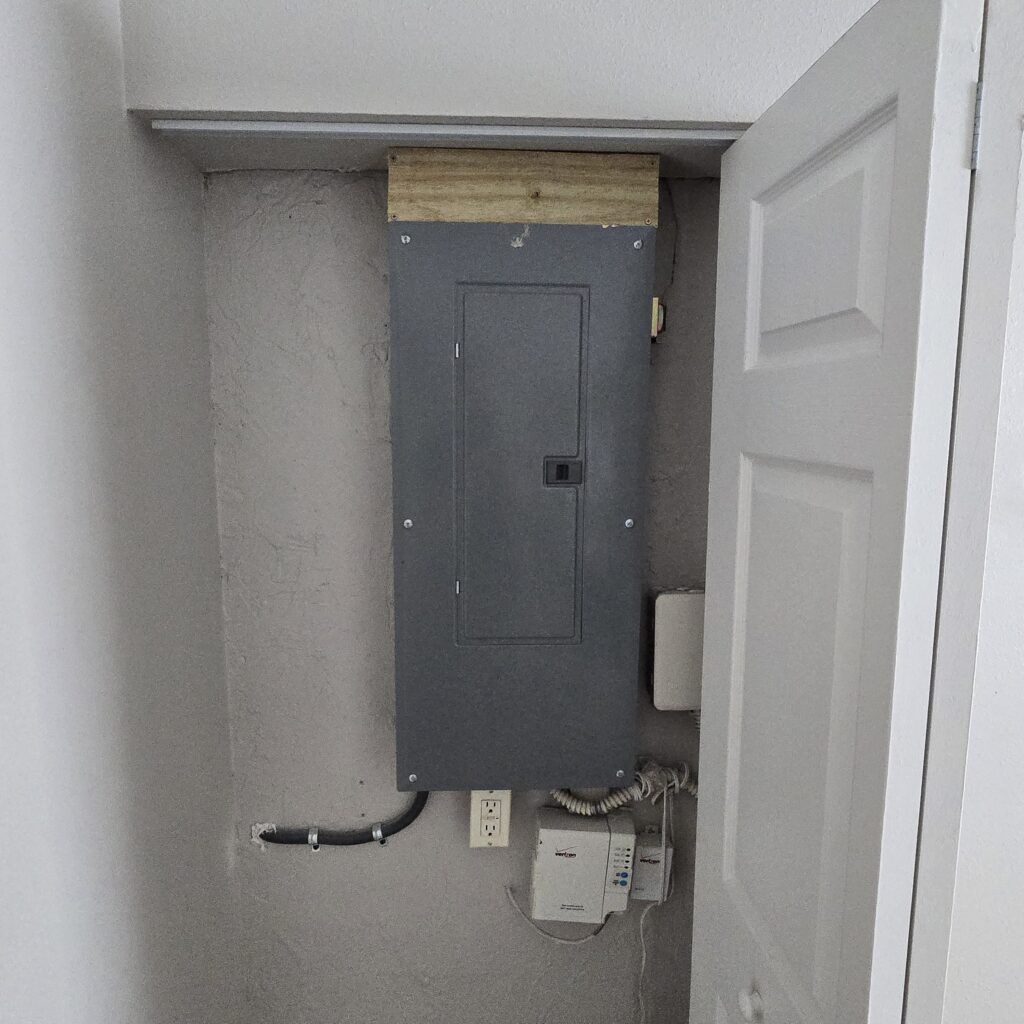
Professional electricians invest heavily in diagnostic tools and training. We do not guess. We use meters and circuit tracers to locate the exact source of the fault. A DIYer often throws parts at the problem hoping one of them works. This trial and error approach gets expensive quickly. You end up buying switches, outlets, and fixtures that are not defective. You spend hours or days chasing a ghost while the real problem worsens. Time is money. The hours you spend troubleshooting are hours lost from your own work or leisure. When you finally admit defeat and call a professional we often have to undo your attempted repairs before we can fix the original issue. This doubles the labor time and the final bill.
There is also the cost of damaging the system further while trying to find the problem. You might cut a wire too short or strip the insulation back too far. You might damage a junction box or break a tab on a device. These small errors accumulate. A professional can surgical fix a specific issue without disturbing the surrounding infrastructure. An amateur often leaves a trail of minor damages that need to be addressed. We frequently walk into homes where a simple switch replacement turned into a nightmare of loose wires and broken drywall. The cost to clean up a failed DIY attempt is always higher than the cost of a standard service call.
Code Violations and Real Estate Complications
Building codes exist to ensure the safety of the occupants. These codes are not suggestions. They are legal requirements enforced by the city of Lincoln. When you perform your own electrical work you likely do not pull a permit. You might not even know that a permit is required for the work you are doing. Unpermitted work is a major liability. It sits in your walls like a ticking financial time bomb. The real cost of this work reveals itself when you decide to sell your home.
Home inspectors are trained to spot non professional work. They look for messy wiring in the panel, ungrounded outlets, and missing safety labels. When an inspector flags unpermitted electrical work it creates a panic during the closing process. The buyer may demand that you pull permits retroactively. This is an expensive and invasive ordeal. You will have to pay the city fees plus penalties for doing work without a permit. You will then have to hire a licensed electrician to open up the walls so the inspector can see the wiring. If the work was done incorrectly, which is highly probable, you will have to pay to have it ripped out and redone completely.
The leverage in the negotiation shifts entirely to the buyer. They may ask for a massive credit to cover the potential costs of rewiring. You might lose the sale entirely if the buyer gets spooked by the unknown condition of the electrical system. The few hundred dollars you thought you saved by installing that ceiling fan yourself can cost you tens of thousands in lost equity at the sale table. Even if you plan to stay in your home forever, unpermitted work can prevent you from getting insurance coverage or refinancing your mortgage. Banks and insurers view non compliant homes as high risk assets.
Wasted Money on Incorrect Tools and Materials
Electrical work requires specialized tools. A pair of kitchen scissors and a rusty screwdriver are not sufficient. Professionals use wire strippers that are calibrated to specific gauges to ensure the copper conductor is not nicked. We use torque screwdrivers to ensure that every connection is tightened to the manufacturer’s exact specifications. When a DIYer attempts a job they often use the wrong tools. This leads to poor connections that loosen over time. A loose connection creates resistance and heat which leads to failure.
You also face the challenge of selecting the correct materials. The electrical aisle at the hardware store is overwhelming. There are dozens of types of wire, switches, and breakers. They all look similar but have vastly different applications. You might buy wire that is not rated for in wall use. You might buy a switch that is not compatible with your aluminum wiring. You might buy a breaker that does not fit your specific panel brand. Installing incompatible parts is a code violation and a safety hazard. It also means you have wasted money on materials that cannot be used.
Professionals have access to supply houses that stock high quality commercial grade parts. The outlets and switches you buy at a big box store are often residential grade with cheaper internal components. They wear out faster and fail sooner. A professional installation uses parts that are built to last for decades. When you factor in the cost of buying tools you will only use once and the waste of buying the wrong parts the financial argument for DIY collapses. You are paying retail prices for inferior products while professionals get wholesale pricing on superior materials.
The Catastrophic Cost of Fire and Injury
The most terrifying cost of amateur electrical work is the risk of fire. According to national fire statistics electrical failures are a leading cause of house fires. Many of these fires are traced back to improper workmanship. A wire nut that is not twisted tight enough can arc. This arcing reaches temperatures high enough to ignite wood framing. The tragedy is that this is entirely preventable. A fire destroys more than just property. It destroys memories and displaces families. The financial devastation of losing your home far outweighs any repair bill.
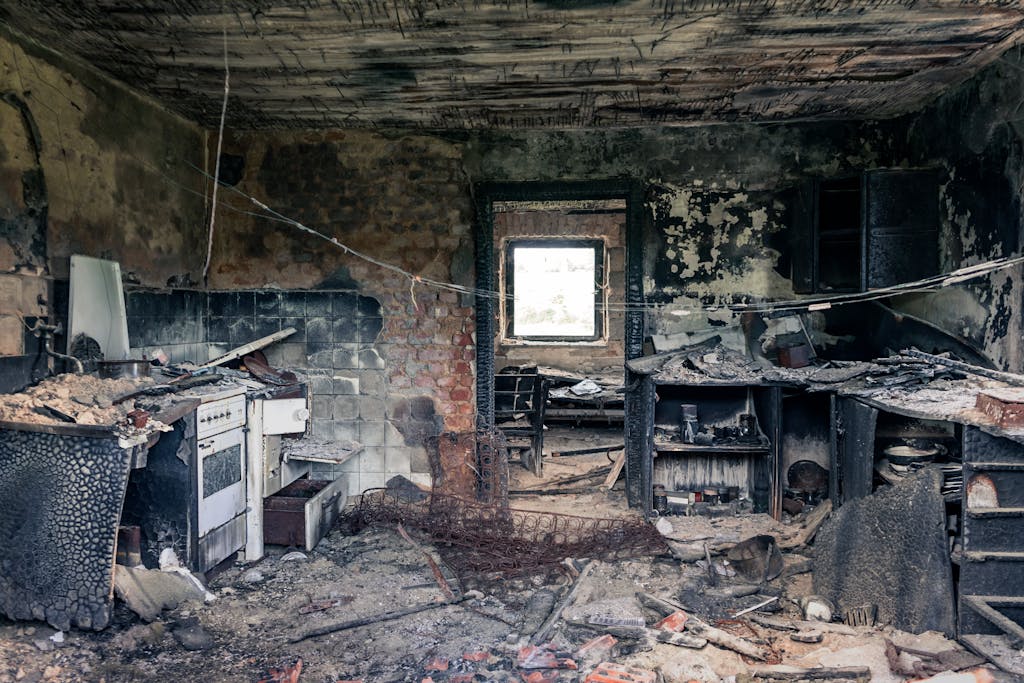
Insurance companies are very specific about coverage. If they investigate a fire and determine that it was caused by unpermitted, amateur electrical work they have grounds to deny your claim. You could be left with a pile of ash and a mortgage that you still have to pay. The liability falls squarely on your shoulders. You assumed the risk when you decided to act as your own electrician. The policy you have paid into for years becomes void because of a single weekend project.
Personal injury is another major cost factor. Electricity can kill. It can stop a heart or cause severe internal burns. Working on a live circuit is a gamble that no homeowner should take. Even a non fatal shock can cause secondary injuries. You might jerk your hand back and fall off a ladder. The medical bills for an emergency room visit, ambulance ride, and rehabilitation are staggering. A simple fall can result in broken bones or head trauma that keeps you out of work for months. The lost wages and medical deductibles make the cost of hiring a pro look insignificant. Safety is not a place to cut corners.
Damage to Expensive Appliances and Electronics
Modern homes are filled with sensitive electronics. Smart refrigerators, computers, televisions, and HVAC systems rely on stable and clean power. Amateur electrical work often introduces instability into the system. A loose neutral connection can cause voltage to fluctuate wildly. You might send 240 volts to a circuit designed for 120 volts. This surge instantly destroys the power supplies of every device plugged into that circuit.
Replacing a high end refrigerator or a home theater system is expensive. The warranties on these devices often exclude damage caused by electrical supply issues. You are left replacing thousands of dollars of equipment because of a faulty outlet installation. Even minor voltage drops caused by using the wrong wire gauge can shorten the lifespan of your appliance motors. Your air conditioner compressor works harder and burns out sooner. These are hidden costs that accumulate over time.
Grounding is another critical aspect that amateurs often get wrong. Grounding protects your electronics from surges and static buildup. If you install an outlet without a proper ground you leave your expensive devices vulnerable. A surge protector cannot function without a ground path. You might think you are protected because you have a power strip but if the outlet behind it is wired incorrectly the protection is nonexistent. A professional ensures that the grounding system is continuous and effective. This protects your investment in your household technology.
The Long Term Reliability of the System
Professional work comes with a guarantee. When you hire a reputable company you get a warranty on labor and materials. If something goes wrong a month later we come back and fix it for free. DIY work has no warranty. If your repair fails you are back to square one. You have to spend more time and more money to fix it again. This cycle of temporary fixes is exhausting and expensive. A professional repair is a permanent solution. It restores the integrity of the system and allows you to move on with your life.
Quality workmanship stands the test of time. A professionally wired circuit will function safely for thirty or forty years. Amateur work often fails within a few years due to thermal cycling and poor connections. You might find yourself constantly replacing the same switch or dealing with the same flickering light. This chronic unreliability is a drain on your patience and your wallet. It also creates a sense of unease in your own home. You never quite trust the switch when you flip it.
There is also an aesthetic cost to consider. Professionals know how to fish wires without destroying walls. We know how to align outlets perfectly and install fixtures securely. DIY work often looks like DIY work. Crooked plates, exposed wires, and patchy drywall repairs degrade the look of your home. If you care about the finish quality of your interior hiring a professional is the only way to ensure a polished result. The details matter and they contribute to the overall value of the property.
Liability for Harm to Others
If you perform electrical work that injures someone else the legal consequences are severe. This could be a guest in your home who gets shocked by a faulty switch. It could be a tenant if you rent out a portion of your property. It could even be a future owner of the house. If you sell a home with known electrical defects that you created and failed to disclose you can be sued for damages years after the sale. The legal fees alone in these cases are astronomical.

Landlords have a specific duty of care to provide a safe environment for their tenants. Performing your own electrical repairs on a rental property is often illegal and always risky. If a fire occurs and injures a tenant you could face criminal negligence charges in addition to civil lawsuits. The law does not look kindly on property owners who prioritize profit over safety. Using a licensed electrician shifts the liability and ensures that the work meets all regulatory standards.
Even helping a friend or neighbor with their electrical problems exposes you to risk. If your favor results in damage or injury you are responsible. The best way to help a friend is to recommend a professional. It protects your relationship and your financial future. The cost of a lawsuit can bankrupt a family. It is a risk that is completely disproportionate to the cost of a service call.
The allure of DIY electrical repair fades quickly when you tally the true costs. The money saved on the initial labor is often a fraction of the money lost to mistakes, code violations, and damaged equipment. Electrical work requires a depth of knowledge and a precision that comes from years of training. It is not a hobby or a place to experiment. The risks to your physical safety and your financial stability are simply too high.
Your home is likely your most valuable asset. Protecting it requires making smart decisions about maintenance. Hiring a professional electrician is an investment in the longevity and safety of that asset. You gain the peace of mind that comes from knowing the job was done right the first time. You avoid the stress of inspections and the nightmare of denied insurance claims. 3G Electric is committed to providing Lincoln homeowners with honest, high quality service that eliminates the need for risky DIY solutions. We handle the complex work so you can enjoy your home without worry. Let us protect your property and your wallet by doing the job correctly.