
How Home Additions Impact Existing Electrical Systems
Adding square footage to your home is an exciting venture that promises more space and increased property value. Homeowners in Lincoln often choose to build out rather than move. This allows them to stay in the neighborhoods they love while adapting their living environment to their changing needs. You might be planning a new master suite, a larger kitchen, or a dedicated home office. The focus during the design phase usually lands on floor plans, paint colors, and finish materials. However, the most critical component of a successful addition is hidden behind the walls. Your existing electrical system must be capable of supporting the new space. Failing to account for the increased electrical load can lead to costly delays and potential safety hazards.
The electrical grid of your home is a balanced ecosystem. It was designed to handle a specific amount of energy based on the original size of the structure. When you add a room you are not just adding outlets and light fixtures. You are adding square footage that requires heating, cooling, and general illumination. You are likely adding new appliances and technology that demand continuous power. Connecting these new loads to an old system requires careful calculation and engineering. It is rarely as simple as splicing a few wires and extending a circuit. You must evaluate the capacity of the main service and the condition of the existing distribution equipment before construction begins.
Calculating the New Electrical Load
Every home has a maximum electrical capacity dictated by the main service entrance. This is usually measured in amps. A load calculation is a mathematical formula used to determine how much power your home currently uses and how much more it can handle. We look at the square footage of the existing house and the square footage of the addition. We factor in the dedicated circuits for the kitchen, laundry, and HVAC equipment. The National Electrical Code provides specific values that must be used for general lighting and receptacle loads based on the size of the space.
When you build an addition you increase the general lighting load of the structure. You also add the specific loads of the devices you plan to install. A new bathroom requires dedicated circuits for outlets that can handle high wattage hair dryers. A new bedroom needs power for computers, televisions, and other electronics. If you are adding a kitchen extension the electrical requirements are massive. You will need separate circuits for the refrigerator, dishwasher, disposal, and countertop appliances. Each of these additions eats away at the available amperage in your main panel.
The calculation must also account for heating and cooling. Extending your central air conditioning system to cover the new room places a significant strain on the compressor. If you choose to install a separate mini split system for the addition that unit requires its own dedicated 240 volt circuit. We often find that older homes in Lincoln are operating near their limit before the addition is even built. Running a precise load calculation early in the planning process identifies if a service upgrade is necessary. This prevents the unpleasant surprise of failing an inspection or tripping the main breaker once the project is finished.
The Limitations of the Main Service Panel
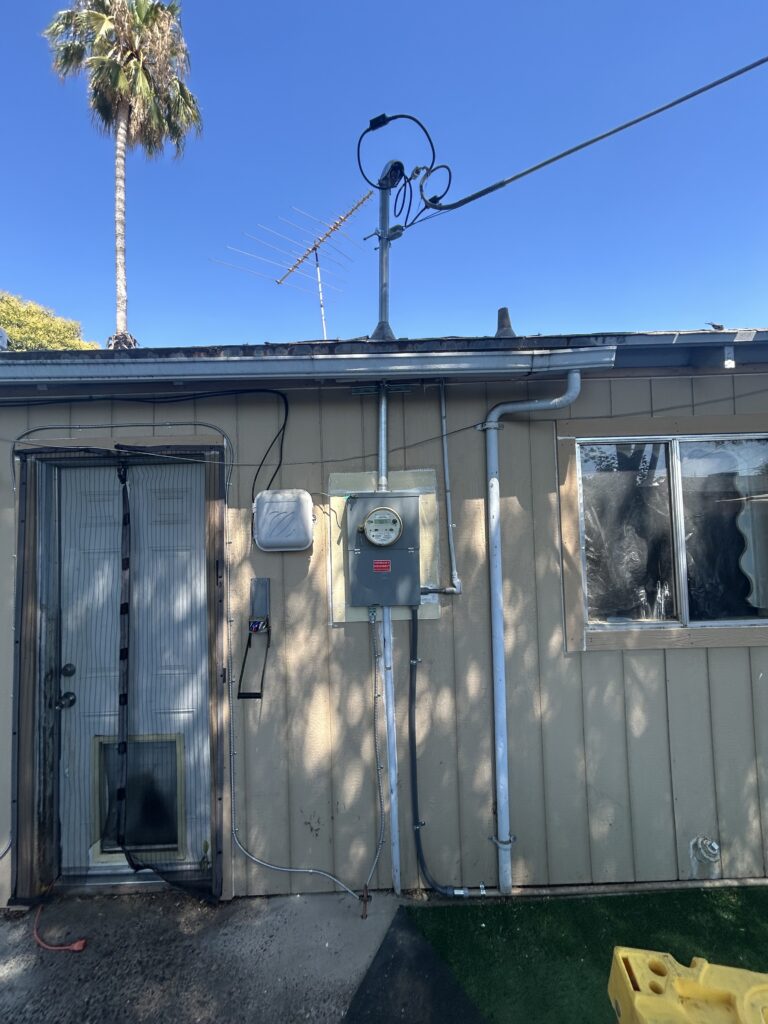
Your main electrical panel is the distribution hub for the entire property. It contains the main breaker which shuts off power to the whole house and the branch breakers which protect individual circuits. Many older homes still rely on 100 amp or 125 amp service panels. This capacity was sufficient decades ago but is often inadequate for modern living standards combined with a new addition. If the load calculation reveals that your total demand exceeds the rating of your panel you must upgrade to a 200 amp or even a 400 amp service.
Physical space inside the panel is another common constraint. An electrical panel has a finite number of slots for breakers. Even if your electrical load is within the safe limit you might not have enough physical room to add the new circuits required for the addition. Some homeowners try to solve this by using tandem breakers which squeeze two circuits into a single slot. This can be a viable solution in some cases but many older panels are not rated for tandem breakers. Overcrowding a panel makes it difficult to work on and can lead to heat buildup.
A panel upgrade involves replacing the meter socket outside and the distribution panel inside. It requires coordination with the local utility company to disconnect and reconnect the service lines. This upgrade provides the necessary amperage to run the new addition safely. It also gives you plenty of room for future expansion. If you plan to add an electric vehicle charger or a hot tub down the road a heavy up now prepares your home for those needs. Leaving an undersized panel in place compromises the safety of the entire electrical system and limits the functionality of your new living space.
Utilizing Subpanels for Distribution
Sometimes the main panel has enough amperage capacity but is located far away from the new addition. Running multiple long wires from one end of the house to the other is inefficient and expensive. It can also lead to voltage drop issues where the power arriving at the outlet is weaker than it should be. In these scenarios installing a subpanel is the most logical engineering solution. A subpanel is a smaller breaker box installed closer to the new addition. It is fed by a single large cable from the main panel.
The subpanel acts as a satellite distribution point. It allows all the circuits for the new room to originate from a local source. This reduces the amount of wire needed for individual branch circuits. It also makes it easier to reset a breaker if one trips. You do not have to walk across the entire house or go outside to the main panel. The subpanel separates the new wiring from the old which simplifies troubleshooting and maintenance. It keeps the electrical layout organized and logical.
Properly grounding a subpanel is critical for safety. The neutral and ground wires must be separated in a subpanel to ensure that fault current flows back to the main disconnect correctly. This is a common mistake in amateur installations. If the grounds and neutrals are bonded in the subpanel it creates a parallel path for current that can energize the metal casing of the panel. We ensure that the feeder cable has four wires to maintain this separation. A subpanel offers flexibility and efficiency for large additions or additions that are physically distant from the existing service entrance.
Integrating New Wiring with Old Systems
Connecting a modern addition to an existing home involves physically joining new wiring with old wiring. This interface point requires careful attention. The wiring methods used in your original home might differ from current standards. You might encounter older cloth insulated wire or systems without ground wires in the existing walls. When we extend a circuit or tie into an existing junction box we must ensure that the connection is secure and safe.
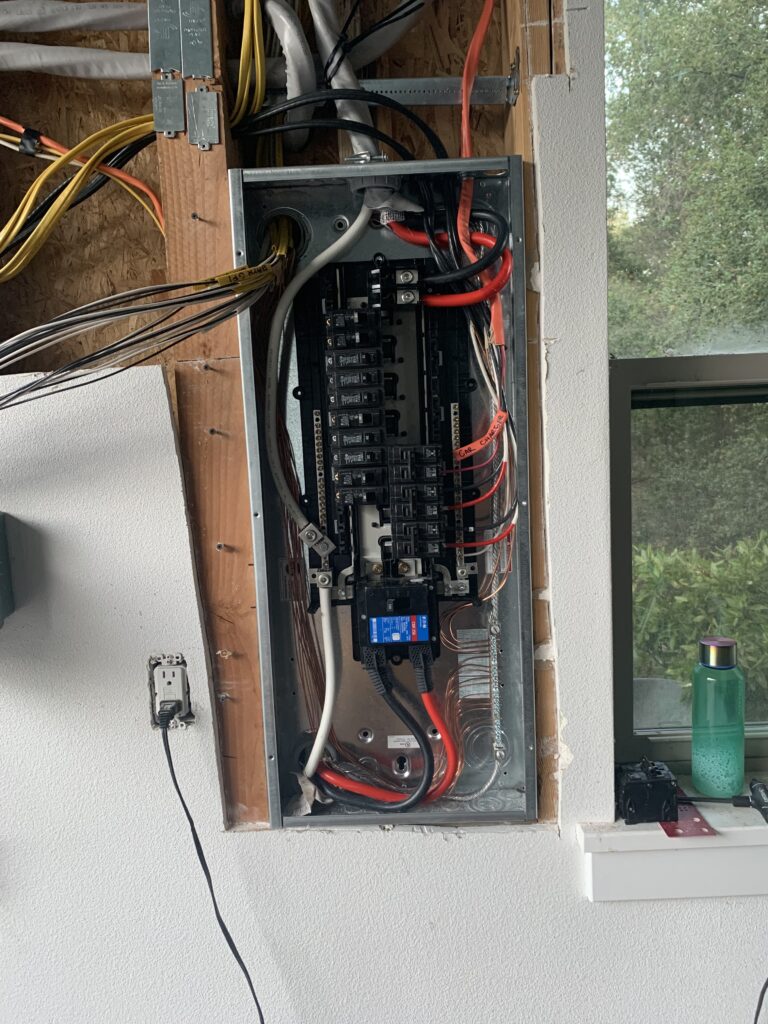
Arc Fault Circuit Interrupters are now required for almost all living areas in new construction. This includes additions. An AFCI breaker detects dangerous arcing that can cause fires. When we tie new wiring into an existing panel we must install AFCI protection for the new circuits. Sometimes the old wiring in the house shares a neutral or has ground faults that were previously unnoticed. Connecting this old wiring to a sensitive AFCI breaker can cause nuisance tripping. We often have to troubleshoot and repair the existing wiring to make it compatible with modern safety devices.
Junction boxes must remain accessible. You cannot bury a splice behind drywall or under a floor. If the addition covers up an exterior wall where existing wires run we have to relocate those wires or install access panels. We plan the cable routing to minimize damage to the existing finishes while ensuring that all connections are code compliant. The goal is to create a seamless transition where the electricity flows reliably from the old section to the new section without creating weak points or hidden hazards.
Compliance with California Energy Codes
Lincoln homeowners must adhere to Title 24 which is California’s strict energy efficiency code. This code dictates specific requirements for lighting and controls in new additions. You cannot simply install any light fixture you want. The fixtures must meet high efficacy standards which usually means LED technology. Title 24 also mandates the use of vacancy sensors or occupancy sensors in bathrooms and utility rooms. These sensors automatically turn the lights off when the room is empty to save energy.
Dimmer controls are required for most general lighting in habitable spaces. This gives you control over the energy consumption and the ambiance of the room. The code also limits the amount of power you can use for outdoor lighting. If your addition includes a patio or deck the exterior lights must be energy efficient and controlled by a photocell or astronomical time clock. These rules are enforced during the plan check and inspection process. Failing to meet Title 24 requirements will prevent you from getting your final permit sign off.
We stay updated on the latest iterations of the energy code to ensure your project is compliant. This involves calculating the lighting power density of the new space and selecting controls that meet the functional and regulatory needs. While these codes add a layer of complexity they also result in a home that is cheaper to operate. High efficiency lighting produces less heat which reduces the load on your air conditioning. The long term savings on your utility bill offset the initial cost of the advanced controls and fixtures.
Impact on Heating and Ventilation Systems
Additions drastically change the airflow and thermal dynamics of a home. Your existing HVAC system might not have the power to push air into the new space. If you install a larger central unit it will draw more electricity. This increase must be factored into the main panel load calculation. Many homeowners opt for electric heat pumps or mini splits for additions. These units are highly efficient but they are significant electrical loads. They require dedicated 240 volt circuits and a disconnect switch located near the unit for servicing.

Bathroom additions require exhaust fans to remove moisture and odors. Modern code requires these fans to be tied to a humidistat in many cases. The fan turns on automatically when it detects a rise in humidity. This prevents mold growth and protects the building materials. The wiring for these intelligent fans is more complex than a standard switch leg. We must provide constant power for the sensor and switched power for the manual override.
Kitchen additions often include high velocity range hoods. These powerful fans require their own dedicated circuit. If the hood moves a large volume of air you might also need a makeup air system. A makeup air unit brings fresh air from outside to replace the air being exhausted. This prevents negative pressure in the house which can backdraft gas appliances. The makeup air unit is an electrical device that must be interlocked with the range hood. Understanding the interplay between the ventilation equipment and the electrical system is vital for a safe and comfortable environment.
Grounding and Bonding Requirements
The grounding system is the fundamental safety feature of your electrical installation. It provides a safe path for excess electricity to discharge into the earth during a surge or lightning strike. When you build an addition you might disturb the existing grounding electrode system. If you dig up the water main or cut the ground wire attached to a pipe you compromise the safety of the entire house. We inspect the existing ground system to ensure it is intact and meets current standards.
New additions often require the installation of a concrete encased electrode also known as a Ufer ground. This is a grounding connection made directly to the steel rebar inside the new concrete foundation. It is one of the most effective grounding methods available. If your addition includes a new foundation we coordinate with the concrete crew to install this connection before the cement is poured. This upgrades the overall grounding of the house and provides superior protection.
Bonding refers to connecting all metal components to the grounding system to prevent a difference in electrical potential. We must bond the hot and cold water pipes and any gas piping in the new addition. If the addition includes a pool or a spa the bonding requirements are even more rigorous. We create an equipotential bonding grid to ensure that you cannot get shocked by touching a metal rail while standing on wet concrete. Proper grounding and bonding are invisible to the user but they are the difference between a safe home and a deadly trap.
Building an addition is a significant investment that transforms your living experience. It is easy to get caught up in the visual details of tiles and windows but the electrical infrastructure is what makes the space livable. The impact of a new room extends all the way back to the main service panel. It tests the capacity of your incoming power and the quality of your existing grounding. Ignoring these electrical realities leads to dimming lights, tripping breakers, and potential fire hazards. A robust electrical plan ensures that your new space functions seamlessly with the rest of your home.
You need a partner who understands the complexities of integrating old and new systems. 3G Electric provides the expertise required to navigate load calculations, Title 24 compliance, and service upgrades in Lincoln. We look at the big picture to engineer a system that supports your immediate needs and your future plans. Do not let electrical limitations dictate the comfort of your addition. Let us handle the power so you can enjoy the extra space. Contact us today to schedule a consultation and start your project on a solid electrical foundation.