
What Causes Burning Smells From Outlets or Panels
A burning smell inside your home triggers an immediate biological response. It is a primal warning signal that something is wrong. When that scent is acrid, chemical, or smells like melting plastic, the source is likely electrical. This is one of the most urgent warning signs a homeowner can encounter. Unlike a plumbing leak that might damage drywall, an electrical burning smell indicates that heat is already being generated where it should not be. The components inside your walls and panels are designed to operate coolly and efficiently. Once you can smell them, they have already exceeded their safe operating temperatures. Ignoring this smell or hoping it goes away is a dangerous gamble that can result in a devastating house fire.
Lincoln homeowners must be particularly vigilant due to the age range of the local housing stock and the extreme heat of our summers. High ambient temperatures put additional stress on electrical systems that are already working hard to power air conditioners and fans. The smell often appears suddenly. You might notice it when you walk into a specific room or when you run a high wattage appliance like a dryer or microwave. It might be faint at first, appearing and disappearing, or it might be a strong, persistent odor. Regardless of the intensity, the presence of the smell means that physical damage is occurring. Insulation is melting, plastic is charring, or wood framing is scorching. You need to act quickly to identify the source and de-energize the circuit before a flame ignites.
The Physics of Resistance and Arcing
The root cause of almost all electrical burning smells is resistance. Electricity flows through conductors like copper and aluminum. In a perfect system, connections are tight and the wire is sized correctly for the load, meaning there is very little resistance. The current flows freely. However, when a connection becomes loose or a wire is damaged, resistance increases. Resistance acts like friction for electricity. Just as rubbing your hands together creates warmth, forcing electricity through a high resistance point generates intense heat. This heat is what cooks the surrounding materials and produces the telltale odor.
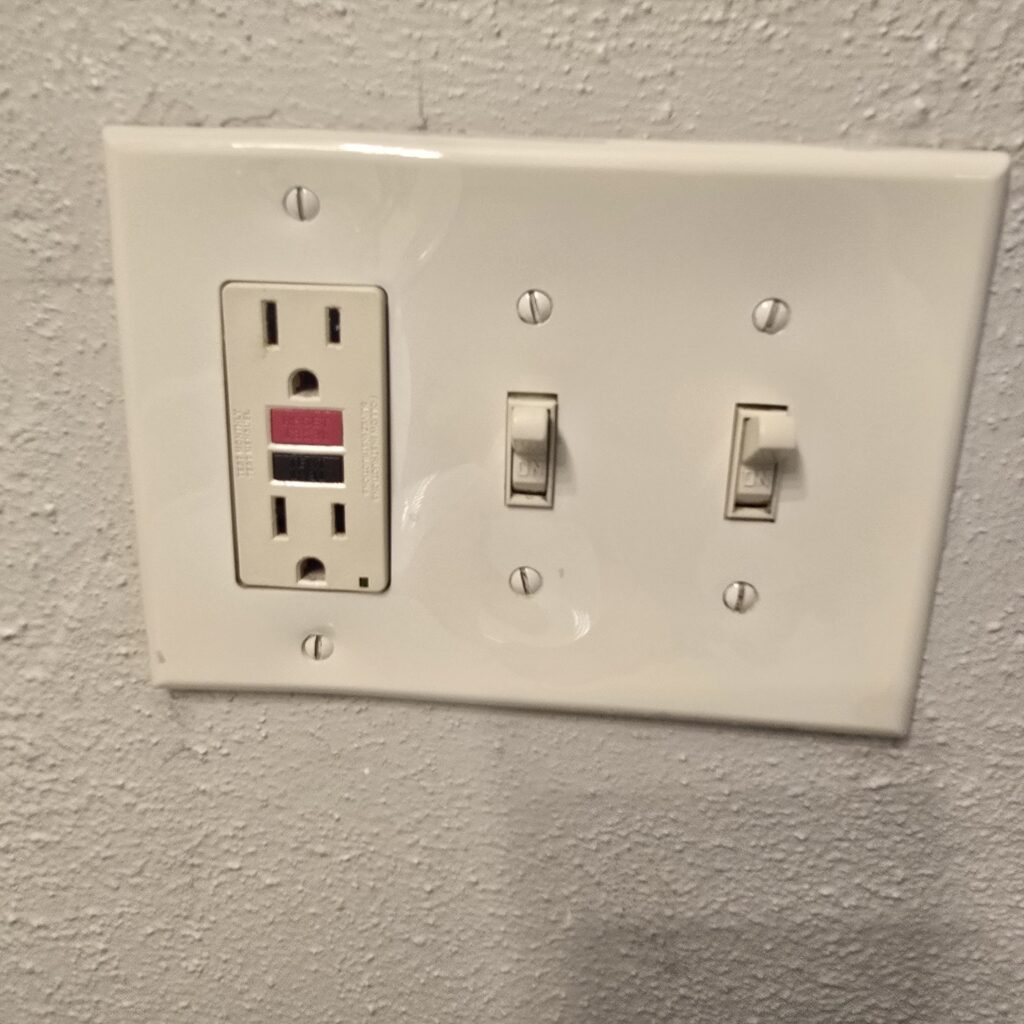
Loose connections are the most common culprit. The screws that hold wires to the side of an outlet or the lugs inside a breaker panel can loosen over time. This happens because wires expand when they get hot and contract when they cool down. This thermal cycling eventually works the screw loose. When the contact pressure drops, the electricity has to jump across a microscopic gap to keep flowing. This jumping is called arcing. Arcing reaches temperatures of thousands of degrees. It is essentially a small, sustained lightning strike happening inside your wall. This heat instantly vaporizes the metal and burns the plastic housing of the device.
Oxidation also plays a major role in creating resistance. Metal surfaces can corrode over time, especially in humid environments or garages. The layer of rust or oxidation is a poor conductor of electricity. As the current fights to get through the corrosion, it builds up heat. This is often seen in older aluminum wiring, which is prone to surface oxidation. The heat generated by these failing connections is concentrated in a very small area. It can easily melt the wire nut holding a splice together or turn the face of an outlet black. The smell you detect is the byproduct of this thermal destruction.
Melting Insulation and Component Breakdown
The distinct smell associated with electrical fires often comes from the breakdown of insulating materials. Electrical wire is coated in a plastic or rubber sheath, typically PVC in modern homes. This insulation protects the copper and prevents short circuits. When the copper wire heats up due to resistance or overloading, the heat transfers to the insulation. As the PVC reaches its melting point, it releases fumes that smell like burning plastic or chemicals. This is often the first sign that a wire is dangerously overheated. If the heat continues, the insulation will liquefy and expose the bare live wire.
Outlet receptacles and light switches are made of rigid plastics. Older devices were made of Bakelite, while newer ones use thermoplastics. When the internal contacts of an outlet wear out, they lose their grip on the plug blades. This loose grip creates resistance. The heat generated radiates outward and cooks the plastic body of the receptacle. Homeowners often describe a fishy smell or a urine like odor when this happens. This specific scent is characteristic of overheating urea formaldehyde plastics used in electrical manufacturing. If your bedroom or living room smells like fish, it is almost certainly an overheating electrical device.
The damage is not limited to the device itself. The heat can radiate into the electrical box and the surrounding wall. If the box is plastic, it can melt. If the box is metal, it can transfer heat to the wooden stud it is nailed to. The paper backing on drywall and the wood framing are combustible. Long term overheating can char the wood slowly, turning it into a substance known as pyrophoric carbon. This charred wood ignites at a much lower temperature than normal wood. A burning smell means that this process is underway. You are smelling the off gassing of the building materials as they approach their flash point.
Overloaded Circuits and Breaker Failure
An overloaded circuit occurs when you draw more power than the wire is rated to handle. This is common in older Lincoln homes where the electrical system was not designed for modern consumption. You might have a portable heater, a gaming computer, and a window AC unit all running on the same circuit. The wire heats up as it tries to deliver this excessive current. Ideally, the circuit breaker should trip to stop the flow of power before the wire gets hot enough to smell. However, breakers are mechanical devices that can fail.
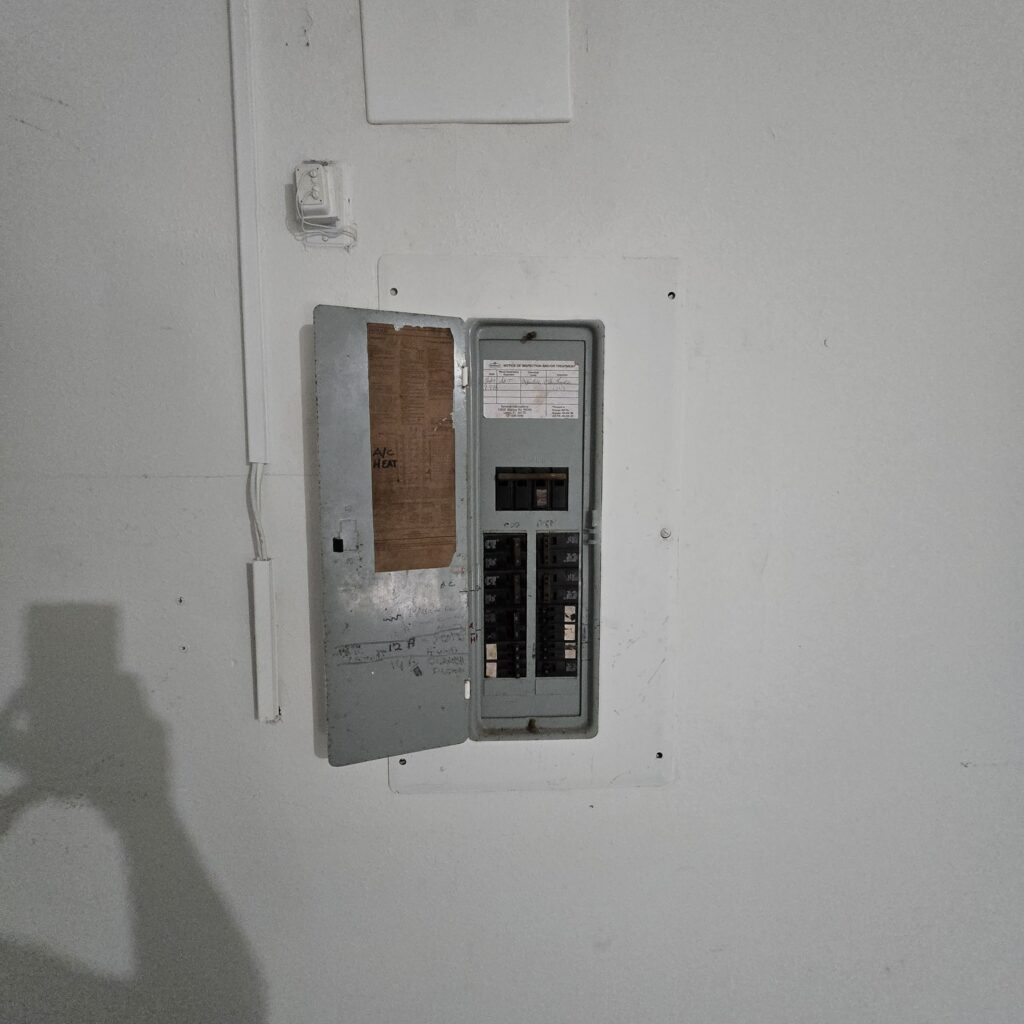
If a breaker is old or defective, it might not trip when it should. It allows the current to continue flowing even as the wire temperature climbs to dangerous levels. This situation is essentially a race between the breaker and the fire. If the breaker does not open, the wire insulation will eventually melt and smoke. This is why you should never ignore a breaker that trips repeatedly. It is doing its job. Resetting it without reducing the load puts the system back into a state of thermal stress. Repeatedly forcing a breaker to stay on can eventually weld the internal contacts shut, removing all safety protection from the circuit.
Some specific brands of electrical panels installed in California decades ago have known design flaws. Panels like Zinsco or Federal Pacific Electric are notorious for having breakers that fail to trip. In these panels, the bus bar connection can become loose and arc. The heat melts the breaker case and the bus bar itself. The smell of burning from a main panel is a critical emergency. It indicates that the main distribution point for the entire house is failing. Since this equipment handles high amperage, the potential energy release is massive. A panel fire can consume a wall in minutes.
The Danger of Foreign Debris and Pests
Biological intrusions are a frequent cause of electrical odors. Rodents like rats, mice, and squirrels have a compulsion to chew. Electrical wiring offers the perfect texture for them to sharpen their teeth. They gnaw through the protective insulation and expose the bare conductor. This causes direct shorts or arc faults. When the animal bridges two live wires, it is often electrocuted instantly. The smell of burning fur or flesh combined with the smell of ozone is a gruesome but clear indicator of pest damage.
Nesting materials create a secondary fire hazard. Rodents often build nests inside electrical panels or in wall cavities near warm wires. These nests are made of dried leaves, paper, and fabric. These are highly flammable tinder. If a loose connection sparks or a wire overheats, the nest catches fire immediately. The fire then spreads to the structure of the home. You might smell smoke coming from an attic vent or a crawl space access. This type of fire is dangerous because it starts in a hidden area and can grow significantly before it breaks through the wall.
Dust and lint accumulation can also lead to burning smells. This is common in baseboard heaters or wall heaters that have not been cleaned. Dust settles on the heating element during the months of disuse. When you turn the heater on for the first time in winter, the dust burns off. While this is often harmless, a significant buildup of lint inside a dryer outlet or a bathroom fan motor is dangerous. The lint blocks airflow and insulates the motor, causing it to overheat. If you smell burning near a fan or heater, you must inspect it for blockage. If cleaning does not resolve the smell, the motor windings are likely burned out.
Wiring Age and Material Degradation
The materials used in residential wiring degrade over time. Rubber insulation used in homes from the 1940s and 1950s dries out and becomes brittle. It cracks and falls off the wire, leaving the conductor exposed. This crumbling insulation can no longer contain the heat or electricity. As the wires touch each other or the metal conduit, they spark and smolder. The smell of burning rubber is distinct and indicates that the wiring system has reached the end of its life.
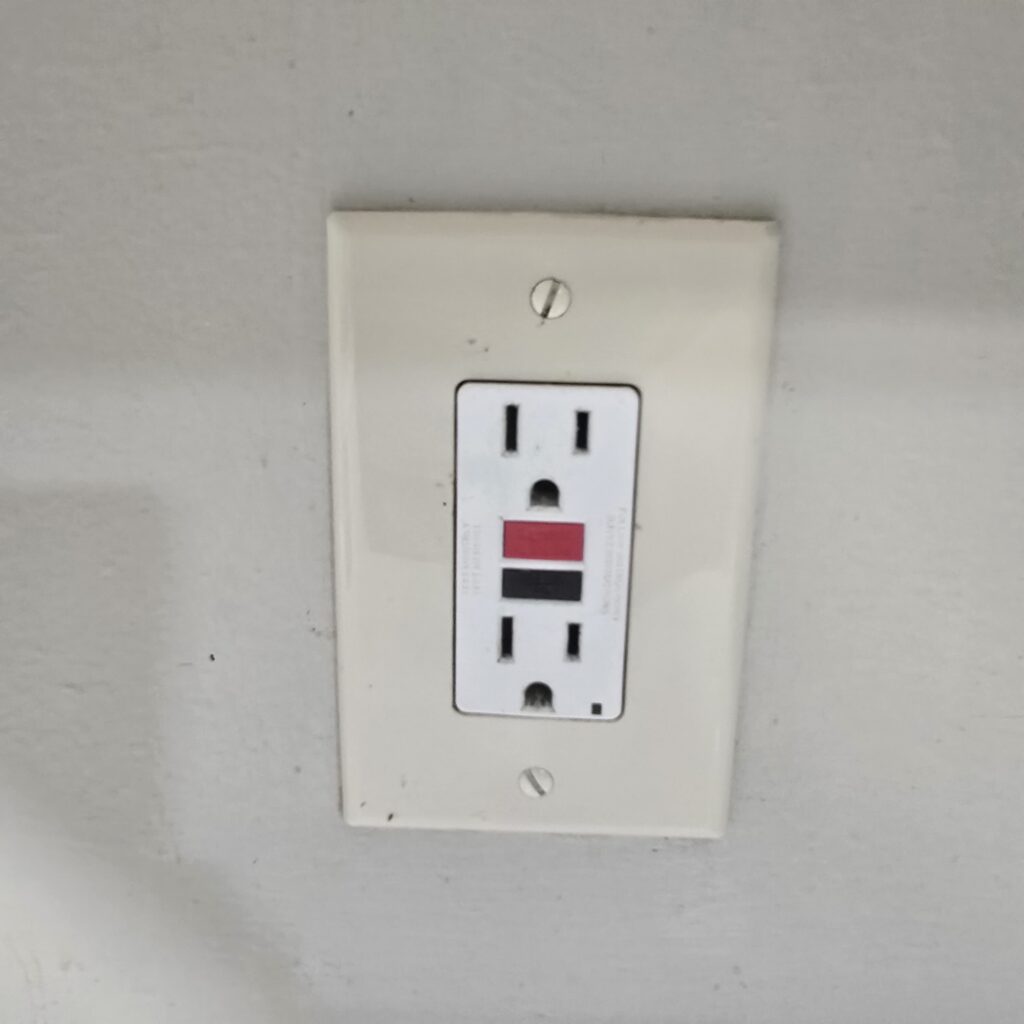
Aluminum wiring, used extensively in the 1960s and 1970s, presents its own set of challenges. Aluminum expands and contracts much more than copper. This movement causes connections to loosen at every outlet and switch in the house. The resulting oxidation and arcing generate heat at the termination points. The smell might be localized to a specific receptacle. You might feel heat on the wall plate. This is a systemic issue that requires a specialized repair method or a complete rewire. Ignoring the signs of failing aluminum connections is a leading cause of electrical fires in homes of that era.
Even copper wiring can fail if it has been subjected to years of overloading. The copper itself does not degrade, but the annealing process from repeated heating and cooling can make it brittle. Connections that were once tight lose their integrity. The plastic wire nuts that hold splices together can crack from thermal stress. A cracked wire nut allows the wires to separate and arc. The burning smell is the final symptom of a slow degradation process that has been happening for years. It is the signal that the system can no longer maintain its integrity under load.
Immediate Safety Actions
If you smell burning electrical odors, you must prioritize safety above all else. Do not ignore it. Do not spray air freshener and hope it goes away. The first step is to identify the general area of the smell. If you can identify a specific appliance or lamp that is the source, unplug it immediately. If the smell is coming from the wall or an outlet, you need to cut the power. Go to your electrical panel and turn off the breaker for that specific circuit. If you are unsure which circuit it is, turn off the main breaker to the entire house.
Do not touch an outlet that is hot or smoking. You risk severe burns or electrocution. If you see smoke coming from the panel or an outlet, call the fire department immediately. It is better to have them check and find nothing than to wait until the wall is in flames. Once the power is off and the immediate threat of fire is managed, you need professional help. Do not turn the power back on to “test” it. The condition that caused the burning smell is still present. Energizing the circuit again will only cause more damage and reignite the heating process.
You should not attempt to fix this yourself. Diagnosing the source of a burning smell often requires opening walls and testing circuits with specialized meters. It requires knowing what charred insulation looks like and how to trace a fault that might be hidden in a junction box in the attic. This is forensic electrical work. A professional electrician has the training to find the needle in the haystack. We can determine if the wire needs to be replaced or if the damage is limited to a single device. Restoring power without a thorough inspection is negligence.
A burning smell is your home’s way of screaming for help. It indicates that the electrical system has lost its ability to contain the energy safely. From loose connections and arcing to pest damage and overloaded circuits, the causes are varied but the result is always heat. This heat destroys insulation, melts plastic, and eventually ignites wood. The time between the first faint whiff of ozone and a full blown fire can be minutes or it can be days. You do not want to find out which one it is.
Lincoln homeowners must respect the power of electricity. The dry climate and the age of many local homes create a perfect storm for electrical hazards. 3G Electric is dedicated to keeping this community safe. We understand the specific failure points of residential wiring. We respond quickly to these emergencies because we know what is at stake. If you smell burning, shut off the power and call us. We will find the source, repair the damage, and give you back the peace of mind that comes from a safe and secure home. Do not gamble with your safety. Let us handle the danger so you can sleep soundly.