
Why Extension Cords Are Not a Long Term Solution
We live in an era where the number of electronic devices in the average home has skyrocketed. You likely have smartphones, tablets, laptops, smart speakers, and entertainment systems that all require power. Older homes in Lincoln were simply not built with this level of demand in mind. You might find yourself staring at a wall with only one outlet when you have five things to plug in. The immediate solution is often to grab an extension cord or a power strip from the drawer. It solves the problem in the moment. You get your power and life goes on. However, relying on these temporary cords for days, months, or even years is a dangerous habit that puts your property at risk.
Extension cords are designed for temporary use only. They are meant to bridge the gap for a specific task like running a drill or setting up holiday lights. They are not engineered to be permanent wiring substitutes. When you leave an extension cord plugged in permanently you bypass the safety features built into your home’s electrical system. The walls of your house protect the permanent wiring from damage and contain potential sparks. An extension cord lies exposed on the floor or tucked behind furniture where it is vulnerable. Understanding the specific mechanics of why this is dangerous will help you make safer choices for your household.
The Physics of Resistance and Overheating
Every wire has a limit to the amount of electrical current it can safely carry. This capacity is determined by the thickness or gauge of the copper wire inside the insulation. The permanent wiring inside your walls is typically 12 or 14 gauge which is thick enough to handle the 15 or 20 amps supplied by your circuit breaker. Many household extension cords use much thinner wire such as 16 or 18 gauge. Thinner wires have higher electrical resistance. When electricity flows through a wire with high resistance it generates heat.

If you plug a high wattage appliance like a space heater or a portable air conditioner into a thin extension cord the wire will heat up rapidly. The insulation around the wire is plastic. If the heat exceeds the rating of the insulation it will melt. Once the insulation melts the bare wires can touch each other. This creates a short circuit that sparks and can ignite nearby flammable materials like carpet or drapes. You might not even notice the cord is getting hot until it is too late. The heat can build up slowly over hours of use.
The length of the cord also contributes to heat generation. Longer cords have more resistance than shorter ones. If you use a hundred foot cord to power a device that draws a lot of current the risk of overheating increases significantly. Coiling up the excess length of an extension cord makes the problem worse. When the cord is coiled the heat cannot escape into the air. It gets trapped between the layers of the cable. This creates an induction coil effect that can melt the insulation even if the load is technically within the cord’s rating.
Physical Vulnerabilities and Trip Hazards
Permanent wiring is safe because it is hidden behind drywall and encased in protective sheathing. Extension cords are exposed to the physical wear and tear of daily life. They sit on the floor where people walk. Every time someone steps on a cord it compresses the insulation and the copper strands inside. Over time this foot traffic breaks down the internal structure of the wire. The outer jacket might look fine but the wires inside could be frayed or broken. A broken strand reduces the capacity of the wire and creates a hot spot.
Furniture is another common enemy of extension cords. You might run a cord behind a sofa or a heavy bookshelf to reach a lamp. If the furniture is pushed back against the wall it can pinch the cord. This pressure can crush the insulation and cause a short circuit. You cannot see this damage because it is hidden behind the furniture. The spark happens in a space filled with dust and upholstery which is a recipe for a fast moving fire.
Pets and pests also pose a threat to exposed wiring. Puppies and kittens often chew on cords. Rodents are attracted to the texture of the insulation. A chewed cord exposes live copper. If a child or a pet touches that exposed area they can suffer a severe electrical shock. Tripping is another obvious but serious risk. Running a cord across a hallway or a walkway creates a hazard for everyone in the home. Elderly family members are particularly vulnerable to falls caused by loose cables. Taping the cord to the floor creates a sticky mess and does not solve the underlying safety issue.
Voltage Drop and Equipment Damage
Your appliances are designed to operate at a specific voltage range. In the United States this is typically around 120 volts. When electricity travels through a long wire it loses some of its force. This phenomenon is called voltage drop. Extension cords significantly increase the distance electricity must travel from the outlet to the device. If the cord is too long or the wire is too thin the voltage that reaches your appliance will be lower than required.
Low voltage is harmful to motors and sensitive electronics. If you run a refrigerator or a vacuum cleaner on a long extension cord the motor has to work harder to spin. It draws more amps to compensate for the lack of voltage. This excess current generates heat inside the motor windings. Over time this burns out the motor and ruins the appliance. You might blame the manufacturer for a faulty product when the real culprit was the power supply.
Computers and televisions are also sensitive to power fluctuations. Voltage drop can cause erratic behavior or sudden shutdowns. It stresses the internal power supply units of your expensive electronics. Using an extension cord might save you the cost of installing an outlet today but it could cost you thousands in replaced equipment down the line. A dedicated wall outlet ensures that your devices receive the clean and steady power they need to function correctly and last for their full expected lifespan.
The Dangers of Daisy Chaining
A common mistake homeowners make is plugging one extension cord into another to reach a distant location. This practice is known as daisy chaining. It is strictly prohibited by fire codes and safety standards. Each connection point adds resistance to the circuit. When you chain multiple cords together you compound the voltage drop and the heat generation. The connection points are often the weakest links. They can easily come loose which leads to arcing.
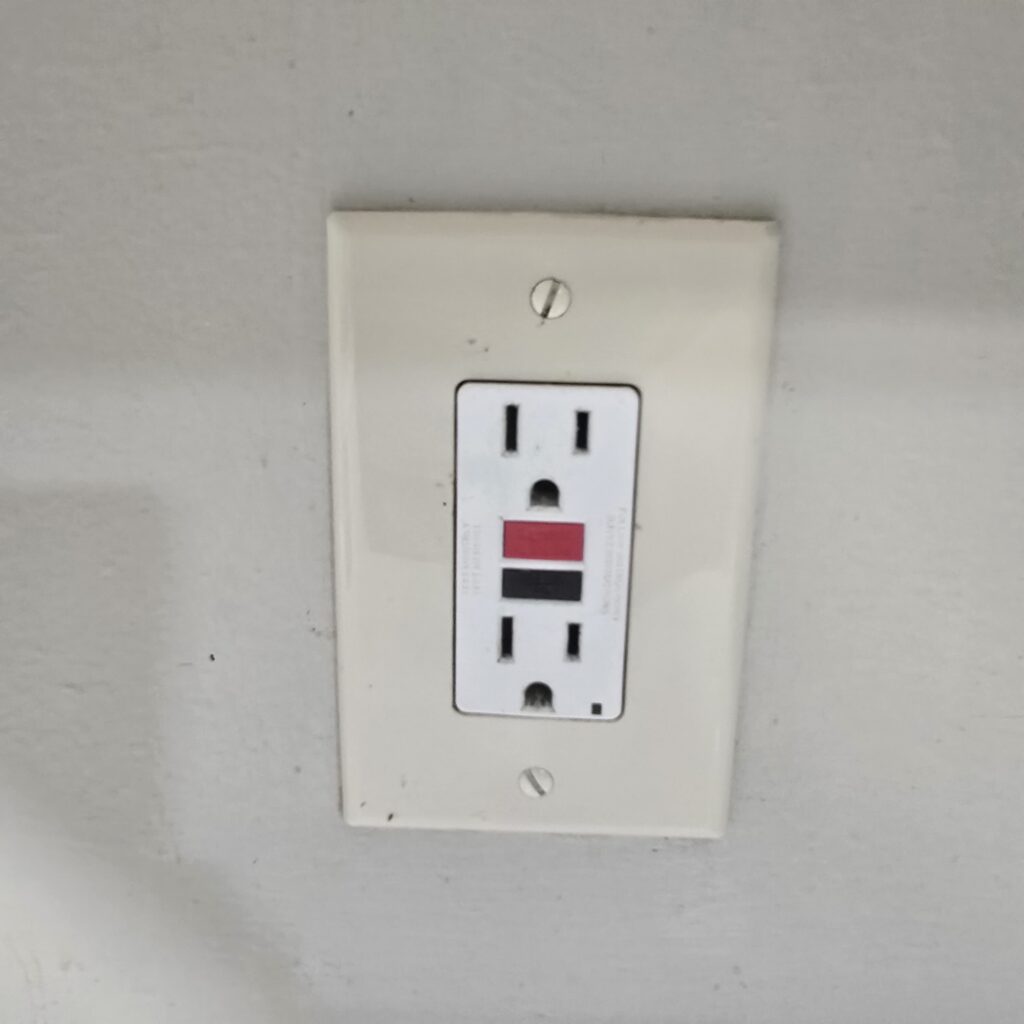
Power strips are often misused in this way as well. You might plug a power strip into an extension cord or plug one power strip into another. This is sometimes called creating an octopus. It allows you to plug in far more devices than the wall outlet was designed to handle. A single standard duplex receptacle is rated for a specific amperage. If you plug in a dozen devices through a series of strips and cords you can easily overload the receptacle.
The wall outlet itself can overheat if it is overloaded. The heat can melt the faceplate and damage the wiring inside the electrical box. Daisy chaining also confuses the circuit breaker. The total resistance of the long run might prevent the breaker from tripping quickly during a short circuit. This delay allows the fault to persist longer than it should which increases the chance of a fire. You should never connect multiple temporary power devices in a series. If the cord does not reach it is a clear sign that you need a new outlet installed in that location.
Insurance and Liability Implications
Homeowner insurance policies contain clauses regarding the proper maintenance and safety of the property. Using extension cords as permanent wiring is widely considered a fire hazard and a code violation. If a fire starts in your home and the investigation reveals that it was caused by an overloaded extension cord running under a rug your insurance company might contest the claim. They could argue that the fire was due to negligence or the improper use of electrical equipment.
Denial of a claim can be financially devastating. You could be left to pay for the repairs or reconstruction out of your own pocket. The liability extends beyond property damage. If a guest trips over an extension cord in your home and injures themselves you could be held liable for their medical bills. The presence of cords running across floors is a clear negligence issue in a personal injury case.
When you sell your home a home inspector will flag permanent extension cord use. They will look for cords stapled to baseboards or run through holes in walls. These are red flags that suggest the electrical system is inadequate. It gives buyers the impression that the home has not been maintained properly. You will likely be asked to remove the cords and install proper outlets before the sale can proceed. Addressing the issue proactively avoids these complications and protects your financial investment in the property.
Outdoor Extension Cord Risks
Using extension cords outdoors presents a unique set of challenges. Standard indoor cords are not rated for exposure to sunlight, rain, or temperature fluctuations. The UV rays from the sun break down the plastic insulation causing it to crack and flake off. Moisture from rain or morning dew can enter the plugs and cause a ground fault. This can energize the wet ground around the cord and create a shock hazard.
Even cords rated for outdoor use are not meant to be left out permanently. They are designed for temporary projects like mowing the lawn or using a hedge trimmer. Leaving an outdoor cord lying in the garden for months allows nature to take its toll. Lawn mowers can run over hidden cords. Weed whackers can slice through the jacket. Water can wick up inside the wire and corrode the copper strands.
Buried extension cords are another major hazard. You should never bury an extension cord to run power to a shed or a fountain. The insulation is not designed for direct burial. The soil contains rocks and acids that will destroy the cord. Proper underground wiring requires specialized cable or conduit and must be buried at a specific depth to ensure safety. Using an extension cord as a shortcut for outdoor wiring is a violation of the National Electrical Code and creates a dangerous situation for anyone digging in the yard.
The Correct Solution is New Outlets
The only safe and permanent solution to a lack of power points is to install new outlets. This involves running new electrical cable through the walls or floors to the desired location. It is a task for a licensed electrician. We can fish wires through finished walls with minimal disruption to your drywall. We can add new circuits to your panel to ensure that the new outlets have plenty of power capacity.
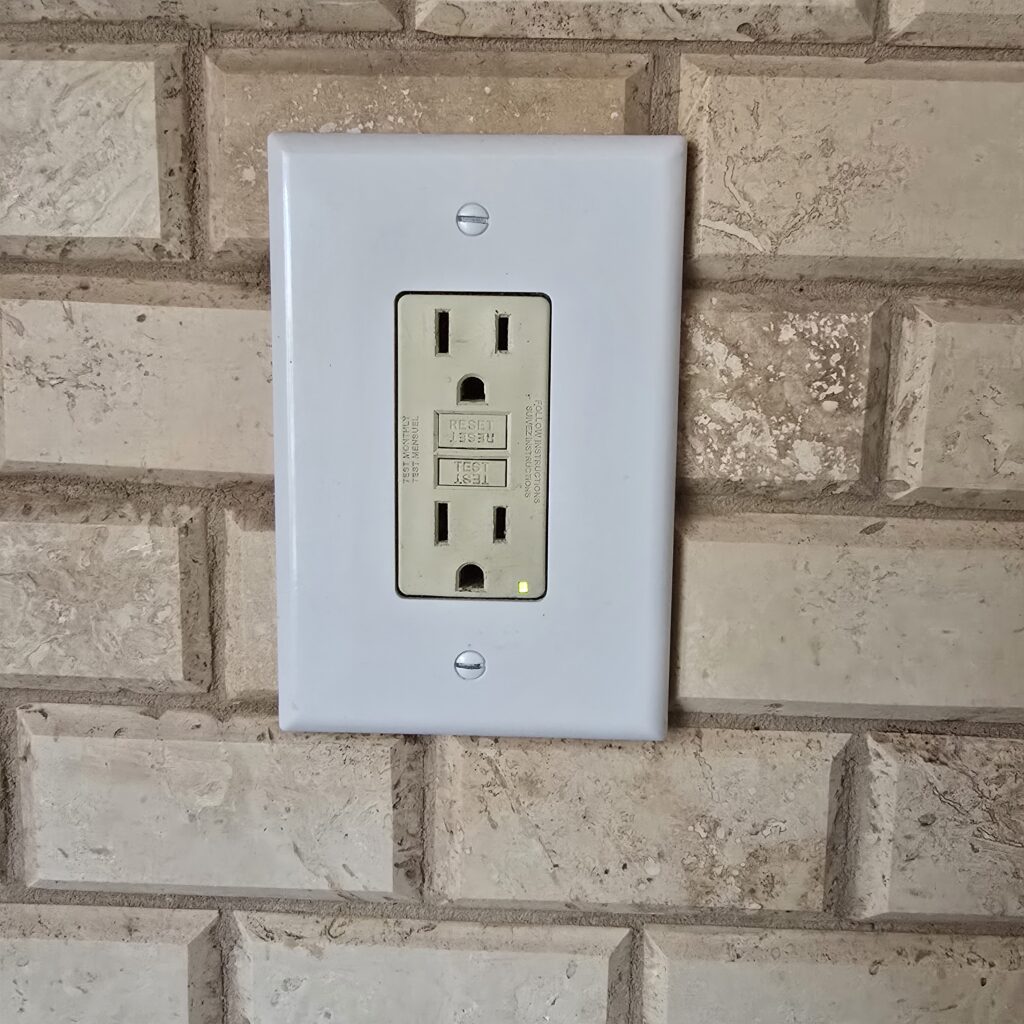
Installing a new outlet eliminates the trip hazards and the fire risks associated with extension cords. It provides a clean and professional look. You no longer have unsightly cables snake across your room. You can place outlets exactly where you need them. Floor outlets are a great option for living rooms where furniture floats in the middle of the space. They allow you to plug in lamps without running cords to the wall.
USB outlets are another modern upgrade. We can install receptacles that have built in USB charging ports. This frees up the standard plugs for other devices and eliminates the need for bulky adapters. Adding outlets is an investment in the functionality of your home. It makes the space more usable and increases the resale value. It shows that the home has been modernized to meet current electrical demands.
Extension cords are tools of convenience that have their place in the garage or the workshop for temporary tasks. They were never intended to become a permanent part of your home’s infrastructure. The risks of overheating, physical damage, and voltage drop are too high to ignore. Every day that a permanent extension cord remains in use is another day that your home is vulnerable to a preventable fire or accident. You deserve the peace of mind that comes from a safe and robust electrical system.
Lincoln homeowners should not have to compromise on safety to power their lives. If you find yourself relying on extension cords to make your daily routine work it is time to make a change. 3G Electric specializes in residential electrical solutions. We can assess your power needs and install new outlets that eliminate the clutter and the danger. We treat every home with the respect it deserves and ensure that all work meets the highest code standards. Do not wait for a spark to warn you of the danger. Contact us today to replace those temporary cords with safe and permanent power.