
Why GFCI Outlets Trip and How to Fix It
A sudden click followed by the loss of power to your hairdryer or kitchen mixer is a familiar annoyance for many homeowners. You press the reset button and everything returns to normal or perhaps it snaps back out immediately. This little device is a Ground Fault Circuit Interrupter or GFCI. It is not just a standard outlet. It is a sensitive safety mechanism designed to protect you from severe electrical shock. While a tripping GFCI can be frustrating it is usually a sign that the device is doing exactly what it was engineered to do. It is detecting a discrepancy in the electrical current that could otherwise prove fatal. Understanding why these trips occur is essential for maintaining a safe home in Lincoln.
Lincoln homes feature a mix of modern construction and older properties that have been retrofitted with these safety devices. The electrical code mandates GFCI protection in areas where electricity and water are in close proximity. This includes kitchens, bathrooms, garages, and outdoor spaces. When a GFCI trips it is communicating that the current leaving the hot wire is not returning through the neutral wire in the exact same amount. That missing current is going somewhere else. It might be leaking into the ground through water or through a person. The device acts faster than a heartbeat to cut the power. Ignoring a persistent trip or simply replacing the outlet without finding the cause can leave a dangerous hazard unresolved.
The Mechanics of a Ground Fault
To solve the problem you must first understand the physics behind the trip. Electricity travels in a loop. It flows from your panel to your appliance and back. A GFCI outlet contains a sensor that monitors this flow with incredible precision. It looks for a balance between the incoming and outgoing current. If the current leaks out of the intended path even by a tiny amount the balance is tipped. The GFCI detects this imbalance as a ground fault. The threshold for tripping is incredibly low usually around four to five milliamperes. This sensitivity is necessary because even a small amount of current passing through the human heart can cause cardiac arrest.
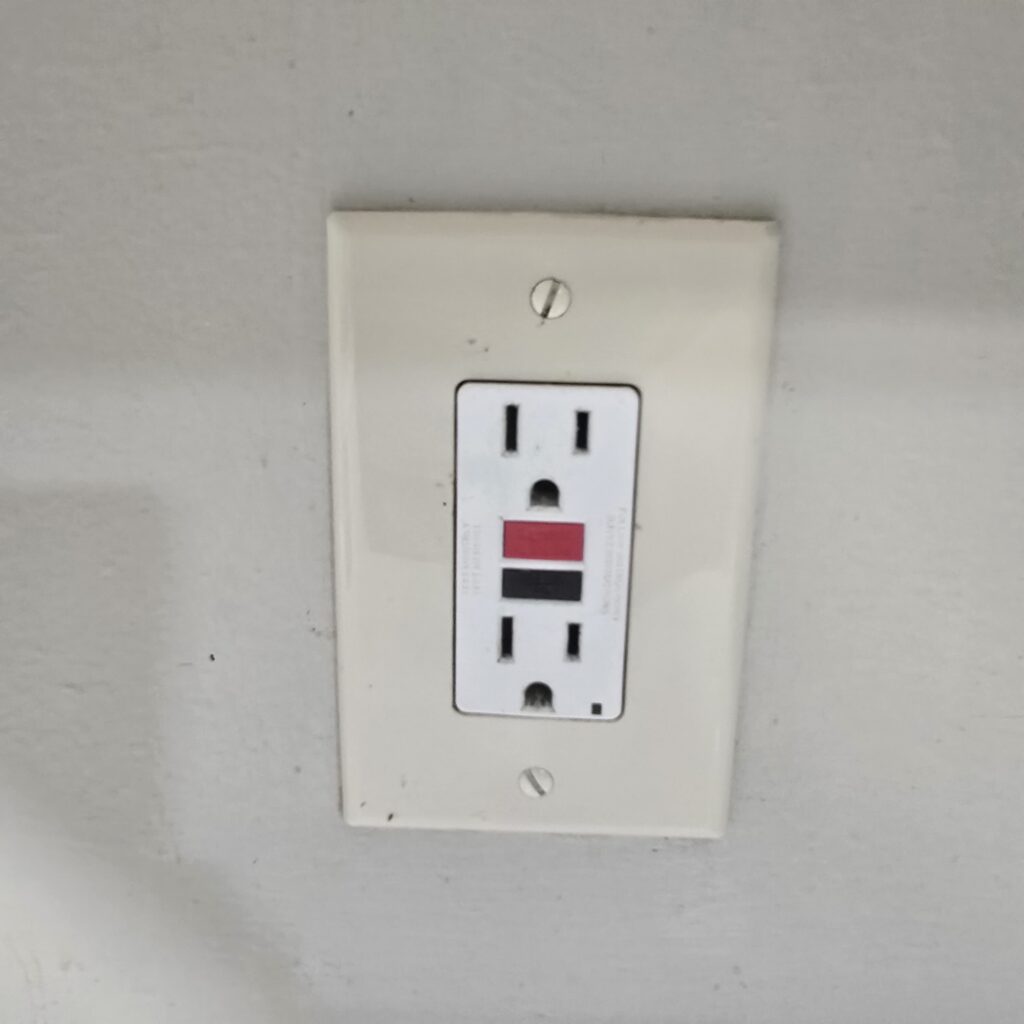
A ground fault occurs when the electricity finds an unintended path to the ground. This could happen if a wire inside an appliance is frayed and touches the metal casing. If you touch that casing the electricity flows through you to the earth. The GFCI senses that the current returning on the neutral wire is less than what went out on the hot wire. It opens the circuit instantly to stop the flow. This action prevents the shock from becoming lethal. It is a proactive safety measure that operates differently than a standard circuit breaker which only protects against massive overloads that could melt wires.
Moisture and Environmental Factors
Water is the most common enemy of electrical devices and a frequent cause of GFCI trips. Water conducts electricity very well. If moisture gets inside the outlet box it can create a bridge between the hot and ground connections. This leakage is enough to trip the sensor. In Lincoln we experience hot summers and wet winters. Outdoor outlets are particularly vulnerable to these weather shifts. Rain can seep into a receptacle if the weather cover is cracked or if the gasket has failed. Even high humidity or morning dew can sometimes accumulate enough moisture to cause a nuisance trip.
Bathrooms are another hotspot for moisture related tripping. Steam from a hot shower can condense on the cool surface of the outlet. If this condensation penetrates the face of the device it creates a path for the current to leak. You might find that the outlet trips every time someone takes a long shower. Cleaning the outlet with a wet cloth or spraying cleaner directly onto the faceplate is another common mistake. The liquid enters the slots and causes a ground fault. You must always spray the cloth first and then wipe the outlet to prevent liquid intrusion.
Outdoor landscape lighting and extension cords are also frequent culprits. If you have holiday lights plugged in and it rains the water can seep into the connections between the cords. This creates a ground fault that will trip the GFCI outlet on the porch or in the garage. Drying out the connections is often the only way to restore power. You should inspect all outdoor covers to ensure they close tightly and seal out the elements. Using bubble covers that protect the plug while it is in use is a code requirement that significantly reduces weather related trips.
Defective or Leaking Appliances
Sometimes the outlet is perfectly fine and the problem lies with the device you are plugging into it. Appliances suffer from wear and tear just like any other mechanical object. The internal insulation on the motor windings of a blender or a vacuum cleaner can degrade over time. This degradation allows a small amount of current to leak to the metal frame of the device. This leakage might not be enough to trip a standard breaker or cause a visible spark but it is plenty to trip a sensitive GFCI.

Old heating elements are notorious for causing ground faults. Coffee makers, hair dryers, and flat irons contain heating coils that expand and contract. Over time the insulation separating these coils from the outer casing can crack. When you plug the device in and turn it on the GFCI detects the current leaking through the crack and shuts down. Refrigerators and freezers in the garage can also cause intermittent trips. As the compressor kicks on the sudden surge combined with older insulation can trigger the safety mechanism.
To determine if an appliance is the root cause you should perform a simple isolation test. Unplug everything from the GFCI outlet and any other outlets that are protected by it. Reset the button. If the button stays in plug in your devices one by one. Turn them on. If the outlet trips immediately after you plug in a specific lamp or tool you have found the problem. That appliance is unsafe and should be repaired or discarded. You should never plug a faulty appliance into a non GFCI outlet to bypass the trip. This removes the safety protection and exposes you to a shock hazard.
Wiring Issues and Loose Connections
The problem can also originate inside the wall. Electrical wiring is subject to physical stress and thermal expansion. If the screw terminals on the side of the GFCI are not tightened to the correct torque specification the wires can loosen over time. A loose wire can move and touch the metal box or the ground wire. This creates a direct ground fault. In older Lincoln homes with aluminum wiring this issue is even more prevalent due to the expansion characteristics of the metal.
Crowded electrical boxes can lead to accidental contact. When an electrician pushes the device back into the box the wires fold up behind it. If the insulation on a wire is nicked or stripped too far back the bare copper can touch the ground wire or the side of the box. This contact might be intermittent. It might only happen when vibrations from a closing door or a passing truck cause the wires to shift slightly. Diagnosing this type of intermittent fault requires removing the device and inspecting the insulation on every wire in the box.
Ground wires touching the neutral screws is a common installation error. The GFCI has specific screws for hot and neutral wires. The neutral wires must be isolated. If the bare ground wire in the box inadvertently touches the neutral screw on the side of the outlet it creates a parallel path for the neutral current. This will cause the GFCI to trip immediately upon being energized. Professional installation ensures that the wires are routed neatly and that the bare ground wire is kept well away from the live terminals.
Electrical Overload and Heat Buildup
While the primary job of a GFCI is to detect ground faults it is still a part of the electrical circuit that has limits. If you overload the circuit by running too many high wattage appliances at once the internal components of the GFCI can overheat. This heat can cause the mechanism to fail or trip. The GFCI is not designed to act as a circuit breaker for overloads but extreme thermal stress can affect its operation. You might notice the face of the outlet feels warm to the touch.
Tripping that occurs after the device has been under load for a while suggests thermal issues. If you run a portable heater and a hair dryer on the same GFCI circuit for twenty minutes and then it trips the device might be melting internally. The contacts inside can fuse or become pitted leading to resistance. Resistance generates more heat which creates a cycle of failure. You must ensure that the total amperage of the devices plugged in does not exceed the rating of the circuit or the outlet itself.
Daisy chaining multiple GFCIs is another configuration error that can cause problems. You only need one GFCI device at the start of a circuit to protect all the outlets downstream. If you install a second GFCI on the load side of the first one they can interfere with each other. This is known as crosstalk. It can lead to nuisance tripping where one or both outlets trip for no apparent reason. Verifying the circuit layout ensures that the protection is applied correctly without redundancy that compromises reliability.
The Lifespan of the GFCI Device
GFCI outlets are not permanent fixtures. They are complex electronic devices with a limited lifespan. The average GFCI lasts between ten and fifteen years. In areas with high lightning activity or frequent power surges that lifespan can be significantly shorter. The internal circuitry that monitors the current can degrade or burn out. When this happens the device might fail in one of two ways. It might fail open meaning it will not conduct power at all. Or it might fail closed meaning it conducts power but offers no safety protection.

Modern GFCIs have a self test feature. They automatically check their internal components periodically. If the self test fails the device will trip and lock itself out. It will refuse to reset. This is a safety feature designed to prevent you from using a defective outlet. If you press the reset button and it feels stiff or does not click into place the device has likely reached the end of its life. Replacing an old GFCI is a standard maintenance task.
You should test your GFCIs manually once a month. Press the test button. The reset button should pop out and the power should cut off. If the button does not pop out or if the power stays on the device is defective. Relying on a twenty year old GFCI in your bathroom is a risk. Upgrading to newer tamper resistant and weather resistant models ensures that you have the most reliable protection available. We often find that unexplained tripping in older homes is simply due to the age of the installed devices.
Troubleshooting Steps for Homeowners
When faced with a tripped GFCI you should follow a systematic approach to identify the cause. Start by looking for obvious signs of moisture. If the outlet is in the kitchen or bathroom check for spills or condensation. If it is outside check for rain ingress. Dry the area thoroughly before attempting to reset. Next unplug all devices from the tripped outlet and any other outlets on the same circuit. GFCIs often protect multiple standard outlets in a room or even in a different room like a garage outlet protecting an outdoor plug.
Once the load is removed press the reset button firmly. You should hear a distinct click. If the button stays in and the power is restored plug in a simple lamp to verify. If the outlet holds the issue was likely a momentary fault or one of the appliances you unplugged. If the outlet trips again immediately with nothing plugged in the fault is in the wiring or the outlet itself is bad. Do not force the button. If it will not stay reset there is a hard fault that needs attention.
Check other outlets in the house. Sometimes a GFCI in the garage controls the bathroom outlets upstairs. Homeowners often panic thinking they have lost power to a bathroom when they simply need to reset a button in the garage. Understanding which outlets are connected helps you troubleshoot effectively. If you cannot find the source of the trip or if the outlet trips repeatedly despite your efforts it is time to call a professional. Working on live circuits to diagnose a fault is dangerous and should be left to those with the proper tools and training.
A tripping GFCI outlet is a clear signal that something in your electrical system requires attention. It is a guardian that stands between you and a potentially lethal shock. Whether the cause is moisture from a recent storm, a worn out appliance, or the natural aging of the device itself the trip is a safety success not a failure. Ignoring the warning or bypassing the device puts your home and family at risk. Lincoln homeowners must respect the sensitivity of these devices and maintain them as key components of their home safety infrastructure.
Resolving persistent GFCI issues often requires a mix of detective work and technical skill. You need to distinguish between a nuisance trip and a critical wiring fault. 3G Electric specializes in diagnosing these complex electrical behaviors. We can test your circuits, identify leakage currents, and replace aging devices with high quality modern equivalents. We ensure that your protection is robust and reliable. If you are struggling with an outlet that won’t stay on let us handle the troubleshooting. Contact us today to restore the safety and functionality of your electrical system.