
When Circuit Breaker Replacement Is Necessary
The circuit breaker is the unsung hero of the modern electrical system. It stands guard in the panel day and night to monitor the flow of electricity through your home. Its job is to cut the power instantly if the current exceeds safe levels. This action prevents wires from overheating and stops electrical fires before they can start. Most homeowners in Lincoln assume that these devices last forever. They sit behind a metal door in the garage or hallway and receive little attention until the lights go out. The reality is that circuit breakers are mechanical devices with a finite lifespan. They contain springs, levers, and contacts that wear down over time. Relying on a failing breaker is like driving a car with no brakes. You might not notice the problem until you really need to stop.
Determining when to replace a breaker involves looking for specific warning signs. Some signs are obvious visual cues while others require paying attention to how the system behaves. The heat of California summers puts additional stress on these components. High ambient temperatures combined with heavy air conditioning loads can accelerate the degradation of the internal mechanisms. A breaker that fails to trip during an overload is a silent hazard. Conversely, a breaker that trips for no reason is a nuisance that indicates internal failure. Understanding the difference between a simple nuisance and a critical failure helps you maintain the safety of your property.
Visual Signs of Physical Damage
A visual inspection of your electrical panel is the first step in assessing the health of your breakers. You should look for any signs of discoloration on the breaker casing or the panel background. Scorch marks or melted plastic are clear indicators of a serious problem. These marks suggest that arcing has occurred. Arcing happens when a connection is loose or when the internal contacts of the breaker are pitted. The electricity jumps across the gap and creates intense heat. This heat burns the plastic and leaves behind carbon residue.
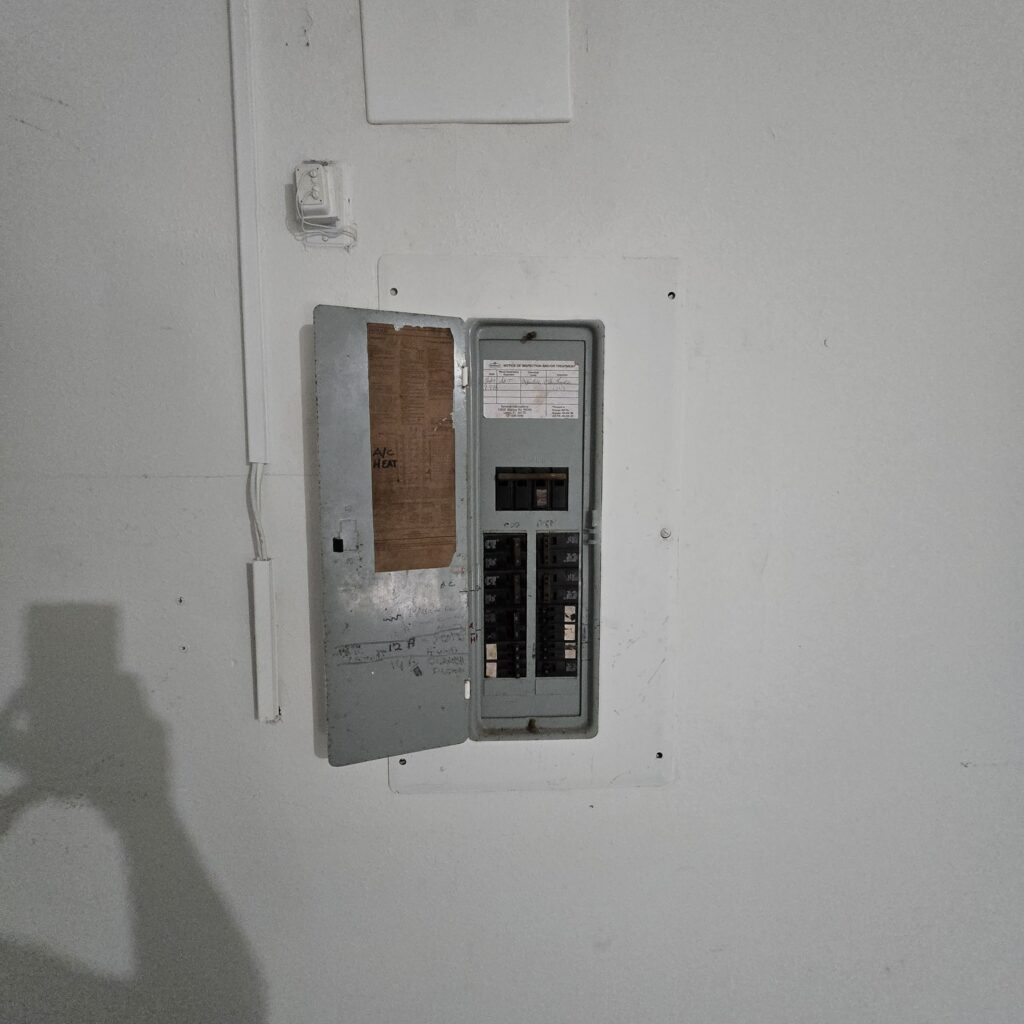
If you see soot or black smudges around a specific breaker you must replace it immediately. The structural integrity of the device has been compromised. The plastic insulation that keeps the electricity contained has melted away. This exposes live parts and increases the risk of a short circuit. You might also notice a burning smell coming from the panel. This acrid odor is the smell of overheating insulation. It is often described as smelling like fish or burning chemicals. If you detect this scent you need to shut off the main power and call a professional.
Cracks in the breaker body are another reason for immediate replacement. Plastic becomes brittle over decades of thermal cycling. A crack allows moisture and dust to enter the internal mechanism. It also compromises the ability of the breaker to contain the spark that occurs when it trips. A damaged casing cannot perform its safety function. Even if the breaker seems to work fine a physical crack is a code violation and a safety failure waiting to happen.
Frequent and Unexplained Tripping
The most common symptom that prompts a homeowner to investigate their panel is a breaker that keeps tripping. It is important to distinguish between a breaker doing its job and a breaker that is broken. If you have the microwave, the toaster, and the coffee maker all running on the same circuit the breaker should trip. That is a sign that it is working correctly to prevent an overload. However, if the breaker trips when only a single light bulb is on or when nothing is running at all it is likely defective.
Breakers rely on an internal spring to hold the contacts closed against the flow of electricity. Over time this spring can lose its tension. It becomes weak and unable to hold the switch in the on position. This results in the breaker tripping at a current level far below its rating. A 20 amp breaker might start shutting off at 10 amps. This is known as a nuisance trip. It is frustrating and disruptive to your daily life.
Resetting the breaker repeatedly does not fix the issue. In fact, it makes it worse. Each time you reset a breaker you wear down the internal linkage. If you find yourself visiting the panel multiple times a week to flip a switch back on you need a replacement. Continuing to force a weak breaker to operate is dangerous. It can eventually lead to the mechanism jamming in the on position which removes all safety protection from the circuit.
The Danger of Obsolete Brands
Certain brands of electrical panels and breakers installed in Lincoln homes decades ago are now known to be inherently defective. The most notorious examples are Federal Pacific Electric and Zinsco. These panels were installed in millions of homes from the 1950s through the 1980s. Extensive testing has shown that the breakers in these panels have a high failure rate. They often fail to trip during a short circuit or overload.
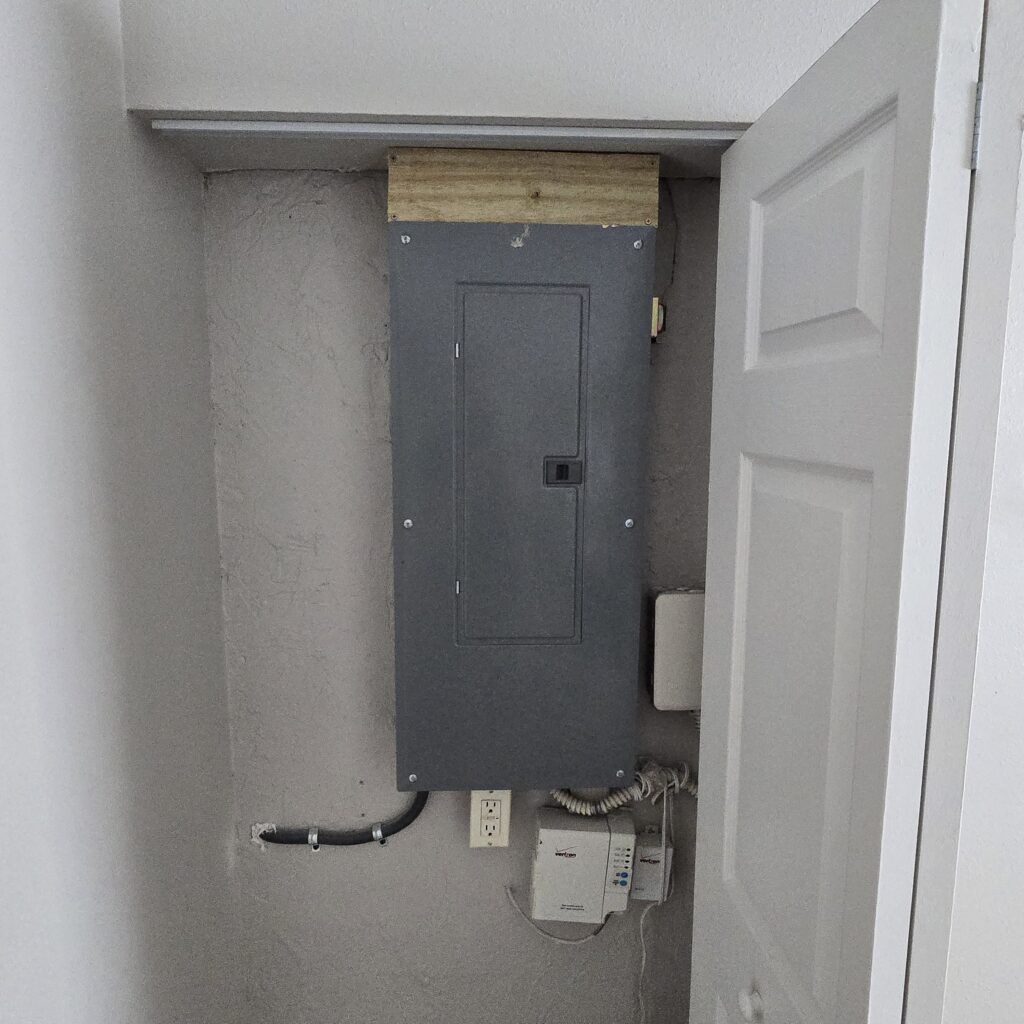
Stab Lok breakers found in Federal Pacific panels are particularly dangerous. They can appear to be off but still conduct electricity. They can also jam so that they never trip even when the wire is melting. If your home has one of these panels the question is not if you should replace a breaker but when you will replace the entire panel. Individual replacement breakers for these brands are expensive and hard to find. They are often refurbished units that carry the same risks as the originals.
Zinsco panels suffer from a design flaw where the breaker clips loosely onto the bus bar. This loose connection causes arcing and corrosion. The breaker can fuse to the bus bar which makes it impossible to remove and impossible to trip. If you identify your panel as one of these brands you should prioritize a system upgrade. Relying on these obsolete components puts your home at significant risk of fire. Insurance companies are increasingly refusing to cover homes with these panels for this very reason.
Mechanical Failure of the Switch
A healthy circuit breaker has a distinct tactile feel. When you flip the handle from off to on it should snap into place with a solid click. There should be resistance against your finger. If the handle feels loose or floppy it indicates mechanical failure. We often describe this as a mushy breaker. The internal springs and levers have disintegrated or disconnected. A breaker with no resistance cannot be trusted to open the circuit during an emergency.
Sometimes a breaker will trip and refuse to reset. You move the handle to the off position and then try to push it to the on position but it just bounces back. This means the internal mechanism has collapsed. The breaker has reached the end of its life. You should never tape a breaker handle in the on position. This is a myth that is incredibly dangerous. Taping the handle does not prevent the internal mechanism from tripping but it does prevent you from manually shutting off the power in an emergency.
Another mechanical issue is when the breaker gets stuck in the neutral position. Most breakers have three positions which are on, off, and tripped. The tripped position is usually in the middle. To reset it you must push it hard to the off position before pushing it to the on position. If the breaker stays in the middle and will not move to off it is jammed. Forcefully manipulating a jammed breaker can break the handle off entirely. This requires professional removal and replacement to restore the circuit.
Excessive Heat at the Breaker
Electrical components generate a small amount of heat during normal operation. However, a circuit breaker should never be too hot to touch. If you place your hand on the dead front of the panel and feel a specific spot that is radiating heat you have a problem. Heat is a byproduct of electrical resistance. In a breaker panel excess heat usually comes from a poor connection between the breaker and the bus bar.

The bus bar is the metal strip that distributes power to all the breakers. The breaker clips onto this bar. If the clip is loose or corroded electricity has to struggle to pass through. This struggle generates heat. This heat can get intense enough to melt the breaker casing and damage the bus bar itself. Once the bus bar is pitted or burned you cannot simply put a new breaker in the same spot. The connection will never be tight again.
A hot breaker can also be caused by internal corrosion. Moisture inside the panel can rust the contacts inside the breaker. This increases internal resistance. If you ignore a hot breaker it will eventually fail completely or start a fire. Thermal imaging cameras are great tools for identifying these hot spots before they become critical failures. If you suspect a breaker is overheating you should have it tested and replaced immediately to prevent damage to the expensive main panel assembly.
Upgrading for Modern Safety Standards
Replacement is not always about fixing a broken part. Sometimes it is about upgrading to safer technology. Standard circuit breakers only protect against overloads and short circuits. They do not protect against arc faults or ground faults. Modern electrical codes require Arc Fault Circuit Interrupters or AFCIs in most living areas. These advanced breakers can detect dangerous sparking that occurs when a wire is damaged or a cord is pinched.
Ground Fault Circuit Interrupters or GFCIs are required in wet areas like kitchens, bathrooms, and garages. They protect people from electrical shock. If you have an older home with standard breakers in these areas you are missing out on a significant safety layer. Replacing standard breakers with AFCI or GFCI breakers brings your home up to current safety standards. This is particularly important if you are doing renovations or adding new circuits.
You might also need to replace breakers to accommodate higher loads. If you are installing a new appliance that requires more power you cannot simply put a larger breaker on the existing wire. That is a fire hazard. However, if you are running new wire for a dedicated circuit you will need a new breaker sized correctly for that load. Upgrading your breakers ensures that your electrical protection matches your electrical usage. It is a proactive step that enhances the safety profile of your entire home.
The circuit breaker is the gatekeeper of electrical safety in your home. It endures heat, electrical stress, and mechanical wear to keep your property safe. Ignoring the signs of a failing breaker is a risk that no homeowner should take. From physical damage and burning smells to constant tripping and obsolete brands the warning signs are there if you look for them. Replacing a bad breaker is a relatively small investment that prevents catastrophic loss.
Electrical work is precise and unforgiving. Assessing the condition of a panel and selecting the correct replacement requires training and experience. 3G Electric is dedicated to helping Lincoln residents maintain safe and reliable electrical systems. We can identify the hidden issues inside your panel and provide honest recommendations for repair or replacement. Do not wait for the lights to go out or for smoke to appear. Contact us today to schedule an inspection and ensure that your home is protected by equipment that works when it counts.