
Why Hiring a Licensed Electrician Matters in California
California maintains some of the strictest building and safety standards in the United States. The state recognizes that electrical work is not a hobby or a task for the unprepared. The complexities of modern energy grids combined with the unique environmental challenges of the region demand a high level of expertise. Homeowners in Lincoln often find themselves needing repairs or upgrades to their electrical systems. The temptation to hire a handyman or a neighbor who knows a little bit about wiring can be strong. The promise of a lower price tag is always appealing. However, the electrical system in your home is the most dangerous utility you interact with daily. It controls the comfort, functionality, and safety of your living space. Entrusting it to someone without a license is a gamble with significant legal and physical consequences.
The distinction between a licensed electrical contractor and an unlicensed worker is not just a piece of paper. It represents years of verified experience and testing. It represents a commitment to the trade and a legal standing that protects the consumer. When you hire a licensed professional you are hiring a business that is accountable to the state. You are ensuring that the person walking into your home has met the rigorous standards set by the California Contractors State License Board. This board exists to protect the public from incompetent and dishonest workmanship. Ignoring this protection leaves you vulnerable to financial ruin and physical danger.
The Rigorous Path to Licensure in California
Obtaining a C-10 Electrical Contractor license in California is a difficult process designed to weed out the unskilled. An applicant must prove they have at least four years of journey level experience. This means they must have worked full time under the supervision of a licensed electrician for thousands of hours. They cannot simply claim this experience. It must be verified by former employers and subject to audit by the state. This requirement ensures that every licensed contractor has hands on training in real world scenarios before they ever solicit work on their own.
Once the experience is verified the applicant must pass two comprehensive examinations. The first is a trade exam that covers the National Electrical Code and specific Californian amendments. It tests deep technical knowledge of load calculations, grounding, bonding, and safety protocols. The second exam covers the laws and business practices of construction. This includes knowledge of contracts, insurance, and lien laws. Passing these exams requires months of study and a complete understanding of the regulations governing the industry.
The state also requires every applicant to undergo a criminal background check. Fingerprints are submitted to the Department of Justice to ensure the applicant has not committed crimes that would make them unsafe to enter your home. This level of vetting provides peace of mind that an unlicensed worker simply cannot offer. When you hire a licensed electrician you know that their identity and their background have been scrutinized by the government. This establishes a baseline of trust that is essential when inviting a stranger into your private residence.
Liability and Worker Compensation Risks
One of the most dangerous aspects of hiring an unlicensed worker is the transfer of liability. If you hire someone who is not a licensed contractor the state of California may consider that person your employee. This designation changes your legal relationship instantly. If that “employee” gets injured while working on your property you can be held responsible for their medical bills and lost wages. You could be sued for negligence. Your standard homeowner insurance policy might not cover these claims because the work was unauthorized and performed by an unregistered worker.
Licensed contractors are required by law to carry worker compensation insurance if they have employees. This insurance pays for medical care and rehabilitation if a worker is hurt on the job. It protects you from being sued. When you hire 3G Electric you are protected by this coverage. You do not have to worry about a slip on a ladder or a shock incident turning into a lawsuit that bankrupts your family. The licensed contractor assumes the risk for their team.
There is also the issue of damage to your property. If an unlicensed worker causes a fire or destroys your appliances they often lack the means to pay for the damages. They rarely carry general liability insurance because they cannot purchase it without a license. You are left to pay for their mistakes out of your own pocket. A licensed contractor must have liability insurance to protect clients from accidental property damage. This financial safety net is a critical component of professional service that protects your assets.
Navigating Title 24 and Energy Codes
California leads the nation in energy efficiency standards. These standards are codified in a set of regulations known as Title 24. These rules govern everything from the efficiency of the light bulbs you install to the type of sensors required in your bathroom. They are complex and they change every few years. A licensed electrician is required to stay updated on these changes to maintain their license and perform compliant work.
Unlicensed workers rarely understand the nuances of Title 24. They might install lighting that looks good but violates the energy code. This becomes a major problem when you try to sell your home or if you get inspected by the city. You might be forced to rip out the non compliant fixtures and replace them at your own expense. The code requires high efficacy lighting and specific controls like dimmers and vacancy sensors in many areas of the home. Ignoring these rules is a violation of state law.
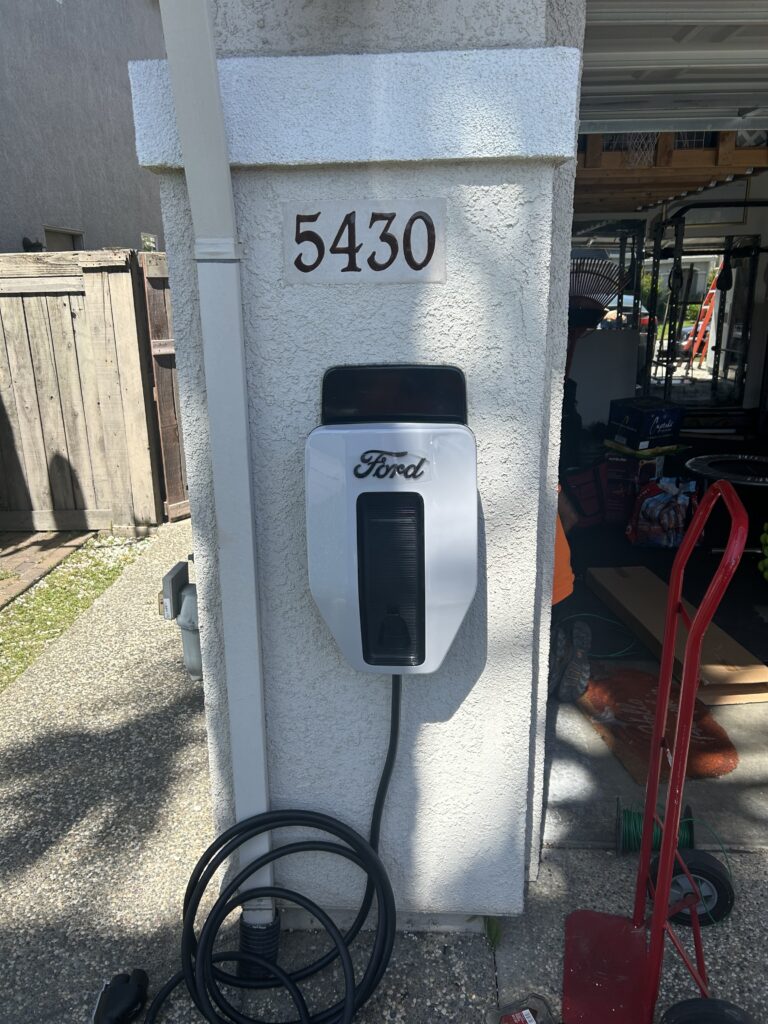
The requirements for electric vehicle chargers and solar integration are also part of this regulatory landscape. Lincoln homeowners are increasingly adopting green technology. Installing an EV charger requires careful load calculations to ensure the existing panel can handle the demand. It requires knowledge of the specific disconnects and breaker types mandated by the code. A licensed electrician ensures that your green energy upgrades are safe and legal. They ensure that your investment in efficiency actually meets the standards required to pass inspection.
The Hidden Dangers of Substandard Materials
The electrical industry is flooded with counterfeit and substandard materials. Licensed electricians purchase their supplies from reputable wholesale distributors. We use wires, breakers, and devices that are UL listed and tested for safety. We know the difference between a commercial grade outlet and a cheap residential grade one that will fail in a year. We understand which brands have a history of failure and we avoid them.
Unlicensed workers often source their materials from the cheapest possible vendor. They might use wire that is not rated for inside wall use. They might use breakers that do not fit your panel correctly. A breaker that is forced into a panel might make contact but it will arc and burn over time. They might use wire nuts that are too small for the number of wires being connected. These material choices are invisible once the drywall is patched but they remain a hazard.
Using the wrong wire gauge is a common mistake made by amateurs. If a wire is too thin for the amount of current flowing through it the wire will overheat. The insulation will melt and the surrounding wood can ignite. Licensed electricians perform precise calculations to size the wire correctly for the circuit. We factor in the distance of the run and the ambient temperature of the attic. We ensure that the materials installed in your home are engineered to handle the load safely for decades.
Protecting Your Property Value and Insurance
Your home is likely your largest financial asset. Protecting its value requires maintaining it to a professional standard. When you perform renovations or repairs with a licensed electrician you create a paper trail of quality. You can show potential buyers permits and invoices that prove the work was done correctly. This adds value to the home and gives buyers confidence. It shows that you cared for the property and did not cut corners.

Unpermitted work has the opposite effect. It is a red flag for home inspectors and real estate agents. If you have a finished basement or a new kitchen that was done without permits you might be required to tear open the walls to prove it is safe. You might have to disclose the unpermitted work which will lower the sale price. Buyers are wary of inheriting someone else’s DIY projects. They know that fixing bad electrical work is expensive and disruptive.
Insurance companies also have strict clauses regarding unpermitted work. If your home suffers a fire and the investigation reveals that the cause was illegal wiring your claim could be denied. You have paid your premiums for years only to find that you are not covered because of a decision to hire an unlicensed worker. The insurance contract assumes that the home is maintained in accordance with local laws. Violating those laws voids the protection. Hiring a licensed professional is the only way to ensure that your policy remains valid and your investment is secure.
The Importance of the Surety Bond
California law requires every licensed contractor to carry a surety bond. The current requirement is for a bond of twenty five thousand dollars. This bond is a financial guarantee that protects the consumer. If a licensed contractor takes your deposit and fails to complete the work you can file a claim against their bond. If they fail to pay their employees or suppliers the bond provides a remedy. It is a layer of consumer protection that does not exist in the underground economy.
Unlicensed workers do not have bonds. If they take your money and disappear you have very little recourse. You can sue them in small claims court but collecting on a judgment is often impossible. They operate in the shadows and often have no assets to seize. The bond is a sign of financial responsibility. It shows that the contractor has the backing of a surety company and is operating a legitimate business.
This financial structure encourages honest business practices. A contractor does not want a claim against their bond because it can lead to the suspension or revocation of their license. It keeps them accountable to the client. When you hire 3G Electric you are hiring a company that values its license and its reputation. We operate within the financial and legal framework established by the state to protect you. We believe that transparency and accountability are just as important as technical skill.
The decision to hire a licensed electrician is a decision to prioritize safety and legality. The electrical system is the circulatory system of your home. It powers your life but it demands respect. The rigorous standards set by the state of California exist to prevent tragedy. From the thousands of hours of required training to the mandatory insurance and bonding every regulation is in place to protect the homeowner. Ignoring these safeguards to save money is a short sighted strategy that often leads to higher costs and greater risks down the road.
You deserve to feel safe in your own home. You deserve to know that the wiring behind your walls was installed by someone who understands the physics of electricity and the laws of the state. 3G Electric is proud to hold a C-10 license. We wear it as a badge of honor that signifies our expertise and our commitment to the community of Lincoln. We do not cut corners. We do not use inferior materials. We follow the code on every job because we know that your safety depends on it. When you need electrical work done trust the professionals who have proven their qualifications to the state. Trust the license.