
How Modern Homes Stress Older Electrical Systems
The way we live inside our homes has changed fundamentally over the last few decades. If you walk into a typical house in Lincoln built in the 1970s or 1980s, the physical structure looks largely the same. The studs, the drywall, and the roof remain constant. However, the invisible demands placed on that structure have skyrocketed. We have transitioned from an analog world to a digital one. We have moved from gas appliances to high performance electric models. We have shifted from leaving our homes empty during the day to working from home offices that run nearly twenty four hours a day. This massive cultural and technological shift places an unprecedented burden on electrical systems that were never engineered to handle such intensity.
Electrical infrastructure is often out of sight and out of mind. It sits silently behind the walls, doing its job until it physically cannot anymore. The wiring, panels, and outlets in older properties were designed based on the consumption habits of a different era. Back then, a home might have had one television, a refrigerator, and a few incandescent light bulbs. Today, that same home must support a network of smart devices, multiple computers, high capacity air conditioning units, and electric vehicle chargers. The gap between the original capacity of the system and the current demand creates a friction point. This friction manifests as heat, voltage drop, and eventual failure. Understanding how modern lifestyles stress these legacy systems is crucial for maintaining a safe and functional living environment.
The Transformation of the Kitchen
The kitchen has always been the heart of the home, but its electrical profile has expanded aggressively. In the past, the kitchen load consisted primarily of a refrigerator and a stove. Small appliances were rare and used sparingly. Today, the modern kitchen is a hub of high wattage machinery. You likely have a microwave, a toaster oven, a coffee maker, an air fryer, and a high speed blender sitting on your counters. Each of these devices relies on heating elements or powerful motors to function. When they are used simultaneously, they draw a massive amount of current.
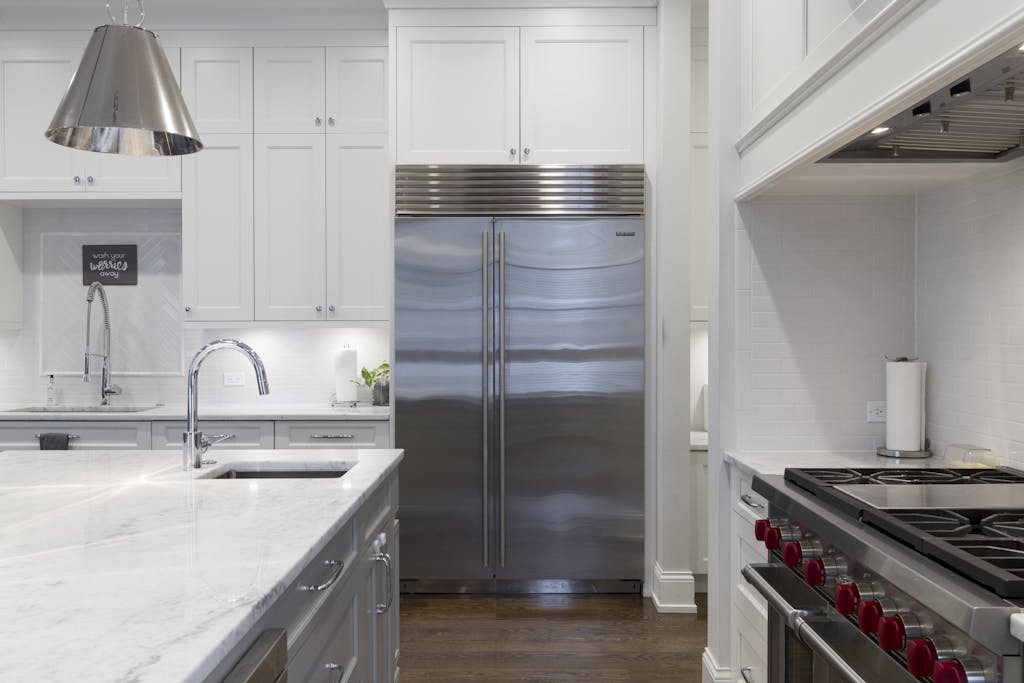
Older kitchens were often wired with one or two general purpose circuits shared among all the outlets. This setup was sufficient when you only plugged in a toaster once a morning. It is woefully inadequate when you try to run the air fryer and the microwave at the same time. The combined amperage exceeds the fifteen or twenty amp limit of the breaker. This forces the electrical system to operate at its absolute maximum capacity. Continuous operation near the trip point of a breaker generates heat within the wire insulation and the panel itself.
We also see a trend toward professional grade appliances in residential settings. Dual fuel ranges, wine fridges, and warming drawers are becoming standard in Lincoln renovations. These units require dedicated circuits that simply do not exist in older wiring plans. Connecting a high demand appliance to an old, shared circuit causes voltage sag. This means the appliance does not receive the power it needs to operate efficiently. Motors burn out faster, and electronic control boards fail prematurely. The infrastructure must be upgraded to provide the clean, isolated power these expensive machines require.
The Reality of Continuous Loads
Electrical loads are categorized as either intermittent or continuous. An intermittent load is something that runs for a short time, like a vacuum cleaner or a hair dryer. A continuous load runs for three hours or more. Modern homes have seen a sharp increase in continuous loads. The most significant contributor to this is the central air conditioning system. In the hot summers of Lincoln, AC units run for hours at a time to maintain comfort. Older electrical services were often sized without accounting for this sustained heavy draw.
When electricity flows through a wire for a long period, heat builds up. The electrical code requires wires carrying continuous loads to be sized differently to handle this heat dissipation. Older systems often lack this safety margin. The main service cables coming into the house from the utility can become dangerously hot during a heatwave. This thermal stress degrades the insulation on the service entrance conductors. Over time, the insulation cracks and falls away, exposing live wires to the elements and increasing the risk of arcing or fire.
Pool pumps and hot tubs are other examples of continuous loads that stress older panels. A single speed pool pump running for eight hours a day acts as a constant drain on the available amperage. If the main panel is only rated for one hundred amps, the pool pump alone might be consuming a significant percentage of that capacity. This leaves very little headroom for the rest of the house. When you add the AC unit on top of the pool pump, the system is pushed to the brink. This lack of capacity results in dimming lights and main breakers that trip because they are simply overwhelmed by the volume of electricity moving through them.
The Electric Vehicle Disruption
The adoption of electric vehicles represents the single largest shift in residential power consumption in history. Charging an EV at home is not like plugging in a toaster. It is essentially like adding a second house to your electrical meter. A Level 2 charger can draw anywhere from thirty to fifty amps of power continuously for several hours. This is a massive load that most older electrical panels cannot accommodate.
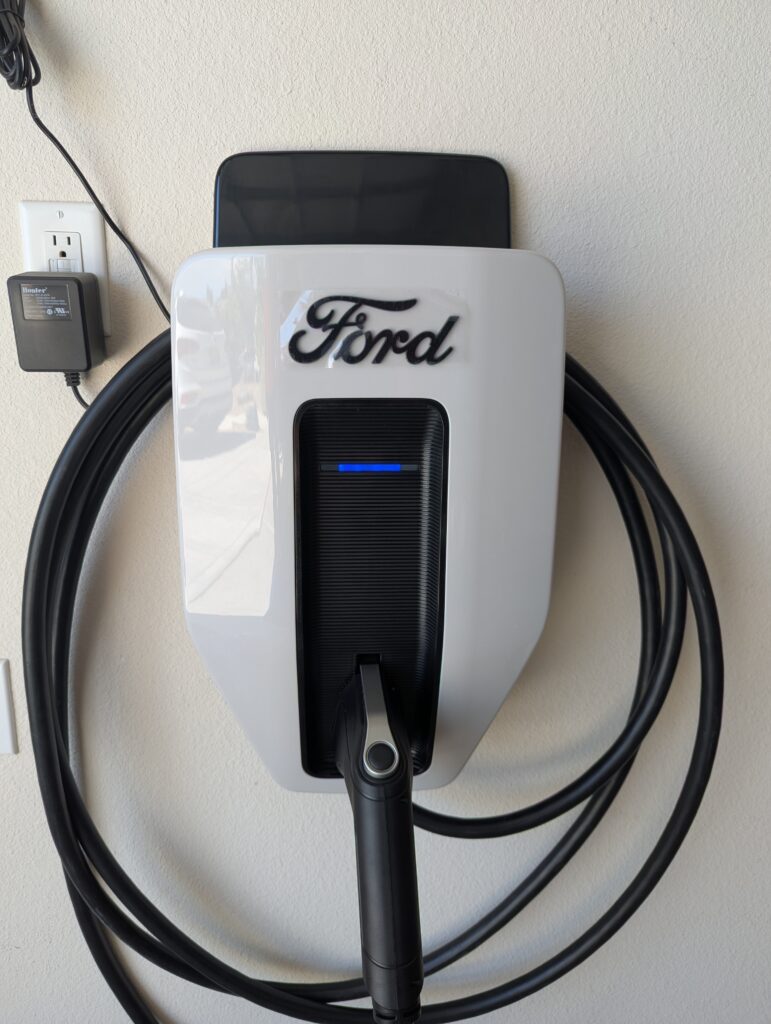
Connecting an EV charger to a standard one hundred amp panel is often mathematically impossible if you perform a proper load calculation. The car charger alone takes up half the capacity of the service. If you try to charge your car while the oven and the dryer are running, you will almost certainly trip the main breaker. This is not a nuisance trip. It is a safety mechanism protecting the main feeder wires from melting. Older homes were designed to power lights and appliances, not to refuel transportation vehicles.
The stress of EV charging extends beyond the panel. The grounding system of the house must be robust to handle the charging process safely. Electric vehicles require a solid reference to the earth to monitor for faults. Older homes with degraded grounding rods or loose water pipe bonds cannot provide this stability. This can lead to the charger refusing to operate or, worse, the chassis of the car becoming energized during a fault. Integrating an EV into an older home requires a holistic evaluation of the entire electrical system, often necessitating a heavy up of the main service to two hundred or four hundred amps.
Electronic Sensitivity and Dirty Power
We live in the age of the microchip. Our homes are filled with computers, smart televisions, modems, and home automation hubs. These devices are incredibly sensitive to the quality of the electricity they receive. They require a steady voltage and a clean sine wave to function correctly. Older electrical systems are often “noisy.” This noise comes from loose connections, deteriorating grounding, and the lack of separation between heavy motors and sensitive circuits.
When an air conditioner compressor kicks on in an older home, it often causes a voltage dip. You see this as the lights flickering. Your computer sees this as a dirty power event. These fluctuations stress the power supply units inside your electronics. Over time, this stress causes components to fail. You might find that your smart bulbs burn out quickly or your Wi-Fi router needs to be rebooted constantly. These are symptoms of an electrical system that cannot deliver the stability modern tech demands.
Grounding is a critical component of power quality. Many older homes in Lincoln still have two prong outlets or ungrounded three prong outlets. Without a ground path, surge protectors cannot do their job. A voltage spike from a lightning strike or a grid switch has nowhere to go but into your expensive electronics. Modern homes require a dedicated equipment grounding conductor to shield devices from these surges. Upgrading the wiring to include a true ground is essential for protecting the investment you have made in your digital lifestyle.
The Work From Home Dynamic
The shift to remote work has fundamentally changed the load profile of residential neighborhoods. In the past, homes were largely dormant between the hours of nine and five. Energy usage peaked in the morning and the evening. Now, homes are fully operational office buildings during the day. Computers, monitors, printers, and lights are on for eight to ten hours straight. The HVAC system works harder to keep the house cool while it is occupied during the heat of the day.
This shift eliminates the cool down period for the electrical system. The wiring and connections are under load constantly. This constant thermal expansion prevents connections from settling. It accelerates the loosening of screws and the breakdown of insulation. An outlet that might have lasted forty years with sporadic evening use might fail in five years under the strain of daily, continuous office use.
The reliability of the system also becomes more critical. A power outage or a tripped breaker is no longer just an inconvenience. It is a disruption to your livelihood. Older systems with frequent nuisance trips are incompatible with the needs of a home office. You cannot afford to lose power in the middle of a video conference because someone turned on the microwave. The electrical system must be robust enough to support business critical operations alongside normal household activities. This often requires separating office circuits from the rest of the house to ensure stability.
Physical Degradation of Service Equipment
The components that make up your electrical service are exposed to the harsh California environment. The meter socket, the service riser, and the main panel are often located on the exterior of the home. The sun in Lincoln is relentless. Ultraviolet radiation breaks down the paint on the metal enclosures, leading to rust. It dries out the seals on the meter glass, allowing moisture to enter.
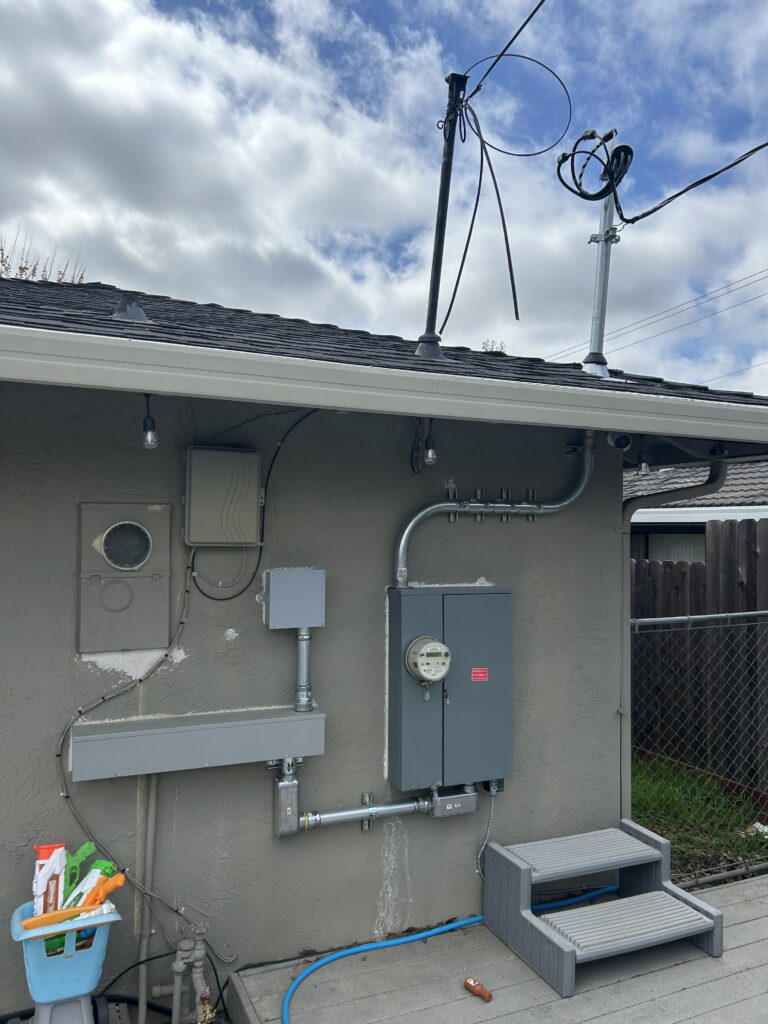
Water is the enemy of electricity. When rain enters a compromised meter socket or panel, it causes corrosion on the bus bars and breaker terminals. Corrosion creates resistance. Resistance creates heat. We often find older panels where the main breaker has fused to the bus bar due to years of arcing caused by corrosion. This is a severe fire hazard. The equipment might look fine from the outside, but the internal components are crumbling.
The utility service drop, which is the wire connecting the pole to your house, also degrades. The insulation on these overhead wires can crack and fall off after decades of exposure to wind and sun. This exposes the bare conductor. If these wires touch during a storm, they short out. Modern homes draw more current through these aging connection points, exacerbating the wear. Ensuring that the physical link to the grid is secure is just as important as the wiring inside the walls.
Safety Code Evolution
Electrical codes are not static. They evolve as we learn more about safety and as technology changes. Modern homes are built with Arc Fault Circuit Interrupters (AFCIs) and tamper resistant outlets. These features are designed to prevent fires and shocks. Older systems lack these protections. An older home relies on standard thermal magnetic breakers that only trip during a massive overload or dead short. They cannot detect the dangerous sparking that occurs when a wire is damaged or a cord is pinched.
Modern appliances are designed with the assumption that they will be plugged into a code compliant system. Using a new appliance on an old system removes the safety net. For example, a modern hair dryer relies on the ground fault protection in the bathroom outlet. If that outlet is an old standard receptacle, the shock protection is missing. Upgrading an older home is not just about adding power. It is about adding intelligence to the system.
Retrofitting safety devices into older panels can be challenging. Old panels often lack the physical space or the mounting hardware for modern AFCI/GFCI breakers. This incompatibility forces a choice between relying on outdated protection or upgrading the entire panel. The latter is the only way to bring the home up to current safety standards. It bridges the gap between the era of the home’s construction and the reality of its current use.
The stress placed on older electrical systems is real and measurable. It is not a matter of if the system will struggle, but when. The divergence between 20th-century infrastructure and 21st-century lifestyle creates a gap that manifests in heat, inefficiency, and risk. Lincoln homeowners must recognize that their electrical panel is not a passive box on the wall. It is an active component of their daily life that requires attention and investment.
Ignoring these stresses leads to diminished performance of your appliances, damage to your electronics, and potential fire hazards. A modern home requires a modern electrical backbone. 3G Electric specializes in evaluating and upgrading these legacy systems. We understand the unique challenges of local architecture and the specific demands of the Lincoln climate. We help you transition your home from the past to the present, ensuring that your power is safe, stable, and ready for whatever the future holds. Contact us to assess your system and secure the energy reliability your modern life requires.