
Signs Your Pool Wiring Needs Professional Attention Before Summer
Spring is the ideal time to inspect your pool’s electrical system before the swimming season begins. Pool wiring endures harsh conditions year-round, including moisture, temperature swings, and chemical exposure from pool water. Small issues left unaddressed through winter can become serious safety hazards once the pool is back in regular use. Catching warning signs early protects your family from electrical shock and prevents costly equipment failures. A qualified electrician can identify problems that homeowners often miss during casual inspections. Taking action now means you can enjoy your pool without worry once temperatures rise.
Common Warning Signs Your Pool Wiring Needs Repair
Pool wiring problems often reveal themselves through subtle clues that are easy to overlook. Knowing what to look for helps you address issues before they escalate into dangerous situations. Flickering lights, tripped breakers, and corroded components all point to underlying electrical concerns. Water and electricity make a deadly combination, so any signs of trouble deserve immediate attention. Spring inspections give you time to schedule repairs before pool season hits full swing. Here are the most common warning signs every pool owner should recognize.
Flickering Pool Lights Signal Pool Wiring Problems
Pool lights that flicker, dim, or fail to turn on consistently are among the clearest signs of wiring trouble. This often happens when connections have loosened over time or when moisture has compromised the electrical components. Flickering can also indicate voltage drops caused by damaged underground wiring between the pool and the main panel. Many homeowners assume the bulb is simply burning out, but the root cause is frequently deeper in the system. Ignoring these signs can lead to complete light failure or, worse, electrical arcing inside the fixture.
Older pool lighting systems running at 120 volts pose greater risks than modern low-voltage LED installations. If your pool still uses the original lighting from years ago, the wiring insulation may have degraded significantly. Water intrusion into the niche or junction box creates corrosion that eats away at copper conductors. A licensed electrician can test the circuit integrity and ground fault protection to determine the extent of the damage. Upgrading to newer low-voltage systems offers better safety and lower energy costs.
Beyond the lights themselves, watch for any discoloration around the fixture housing or deck-mounted junction boxes. Brown or black staining often indicates heat damage from loose connections or short circuits. The pool’s ground fault circuit interrupter should trip immediately when water contacts live wiring, but a faulty GFCI may not respond correctly. Testing these protective devices monthly is recommended by electrical safety standards. If your pool wiring shows any of these symptoms, schedule a professional evaluation before swimmers enter the water. Need pool wiring service? Click here for our pool wiring service.
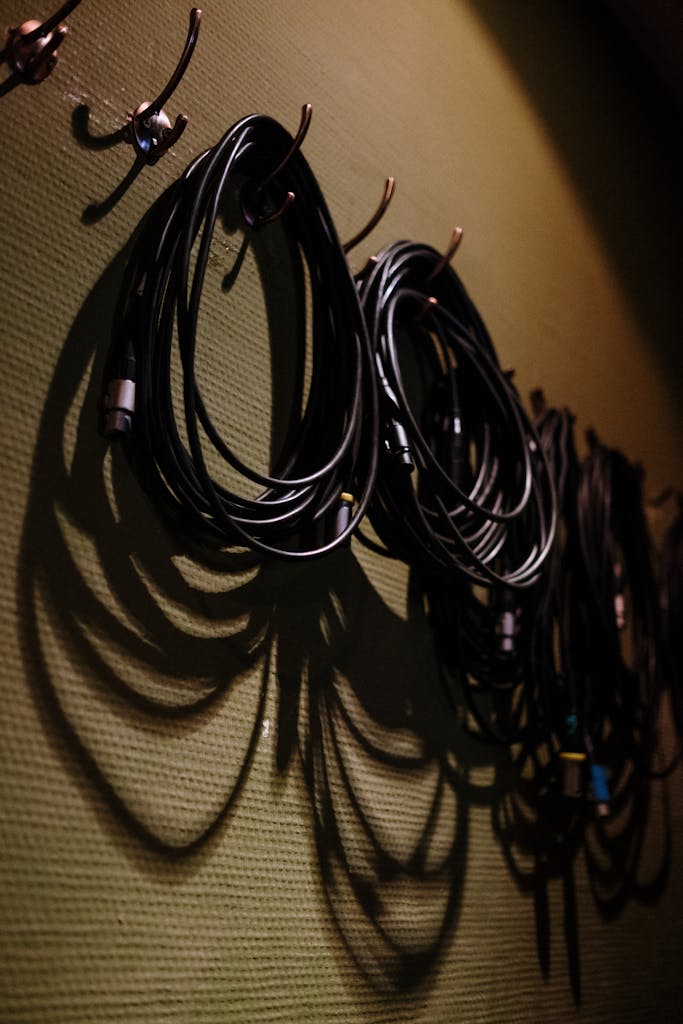
Tripping Breakers Point to Pool Wiring Issues
A breaker that repeatedly trips when you turn on pool equipment is your electrical system’s way of signaling trouble. The breaker is doing its job by cutting power before damage occurs, but the underlying cause still needs investigation. Common culprits include short circuits in underground wiring, failing pool pump motors, and ground faults in lighting circuits. Simply resetting the breaker over and over can damage the breaker itself and create fire hazards. Each trip should prompt a professional diagnosis rather than a quick reset.
Ground fault circuit interrupters protect pool circuits by detecting tiny current imbalances that signal electricity escaping the intended path. When a GFCI trips frequently, it often means water has penetrated the wiring insulation somewhere in the circuit. Pool pumps, heaters, and lighting all rely on these protective devices to prevent electrocution. Aging pumps with worn motor windings often cause nuisance tripping as they approach the end of their service life. An electrician can isolate each component to pinpoint the exact source of the fault.
Overloaded circuits also cause repeated breaker trips, particularly when new equipment has been added to the pool system over the years. A salt chlorine generator, automatic pool cover, or additional pump can push an older circuit beyond its designed capacity. The solution may involve installing a dedicated circuit or upgrading the subpanel that serves the pool equipment pad. Load calculations performed by a licensed electrician ensure your system meets current code requirements. Proper circuit sizing prevents nuisance tripping and extends the life of your pool equipment.
Corroded Pool Wiring Components Need Immediate Attention
Visible corrosion on any pool-related electrical component is a serious red flag that requires prompt professional attention. Check the equipment pad regularly for green or white powdery deposits on wire connections, conduit fittings, and junction boxes. This corrosion weakens electrical connections and can lead to arcing, overheating, and fire. Pool chemicals in the surrounding air accelerate corrosion of copper and aluminum conductors. Even stainless steel hardware shows signs of chemical attack over time in pool environments.
Underground pool wiring faces its own set of challenges, including soil moisture, root intrusion, and shifting earth around the pool shell. Conduit that has cracked or separated allows water directly into the wiring system, creating immediate shock hazards. The bonding grid around the pool must remain electrically continuous to protect swimmers from voltage differences in the water. Corroded bonding connections defeat this critical safety system entirely. A professional inspection includes continuity testing of the bonding grid to verify it still provides proper protection.
Pool equipment bonding lugs are particularly vulnerable because they sit exposed to the elements at each motor, heater, and metal component. These lugs must maintain solid metal-to-metal contact to equalize voltage across all pool equipment. When corrosion builds up, the bonding connection fails silently without any obvious symptoms to the pool owner. Spring is the perfect time to clean these connections and apply anti-corrosion compound for the upcoming season. Want to schedule a pool electrical inspection? Click here for our electrical inspection service.
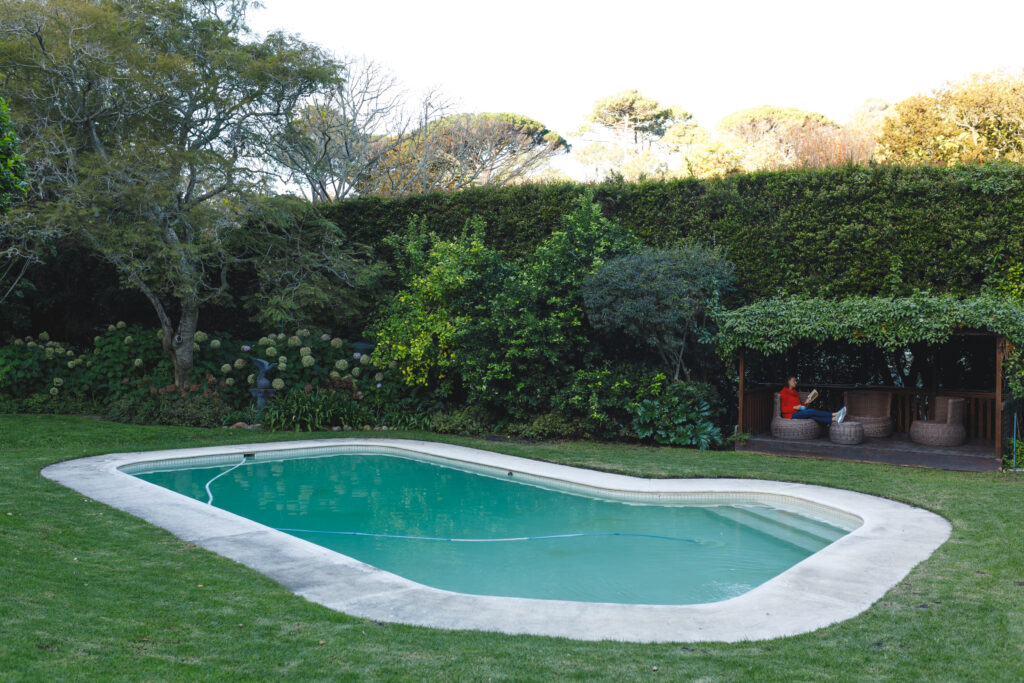
Why Pool Wiring Problems Get Worse Over Winter
Winter weather takes a heavy toll on pool electrical systems, even in milder California climates. Freeze-thaw cycles, heavy rains, and reduced pool use all contribute to gradual deterioration. Problems that seemed minor in fall often become major issues by spring. Understanding how winter affects your pool wiring helps you prepare for thorough spring inspections. Addressing these cold-weather impacts before summer saves money and prevents dangerous conditions.
Winter Moisture Damages Pool Wiring Insulation
Heavy winter rains saturate the soil around underground pool conduits and can infiltrate through any crack or gap. Water trapped inside conduit during freezing weather expands and further damages the protective sheathing. Once moisture reaches the actual wire insulation, the clock starts ticking toward eventual failure. Modern wire insulation is designed to resist moisture, but no material lasts forever in constant contact with water. Older installations using outdated wire types suffer damage much faster than newer ones.
Junction boxes and equipment enclosures depend on proper gaskets and sealant to keep water out during wet months. These seals degrade from UV exposure, temperature extremes, and chemical contact throughout the year. By spring, many enclosures have developed leaks that allow rainwater directly onto electrical connections. The resulting corrosion and short circuits may not appear until equipment is powered up for the season. An electrician checking these enclosures can catch problems before they cause equipment damage or personal injury.
Pool light niches present unique moisture challenges because they sit underwater year-round. The rubber gasket between the fixture and niche must maintain a watertight seal to keep pool water out of the wiring compartment. Failed gaskets allow water to slowly fill the conduit leading back to the junction box on the deck. This water can travel through the conduit system and reach other electrical components far from the pool itself. Replacing aging gaskets as part of spring maintenance prevents this cascade of moisture damage.
Rodents and Pests Cause Pool Wiring Damage
Winter drives rodents and pests to seek shelter in warm, protected spaces, including pool equipment enclosures and underground conduit systems. Mice, rats, and squirrels chew through wire insulation to sharpen their teeth or use the material for nesting. This damage often goes unnoticed until spring when equipment suddenly fails or circuits begin tripping. The exposed copper creates immediate short circuit and shock hazards the moment power is restored. A thorough spring inspection includes checking all accessible wiring for signs of rodent activity.
Ant colonies establish themselves in electrical enclosures during cooler months, seeking the warmth generated by equipment. Fire ants and Argentine ants particularly favor pool equipment pads and can fill a disconnect switch with debris in just a few weeks. Their presence interferes with contact operation and creates paths for electrical arcing. Some ant species are actually attracted to electrical fields and will swarm into panels and controls. Regular inspection and pest control treatment keeps these insects from damaging your pool electrical system.
Snakes and small mammals sometimes enter conduit runs through cracked or unsealed openings, becoming trapped inside. When they contact live wiring, they can create shorts that damage extensive sections of the underground system. The resulting repairs often require excavation to locate and replace damaged cable runs. Sealing all conduit entries with approved duct seal compound prevents these intrusions. A licensed electrician can identify vulnerable entry points and recommend appropriate sealing methods during your spring inspection.
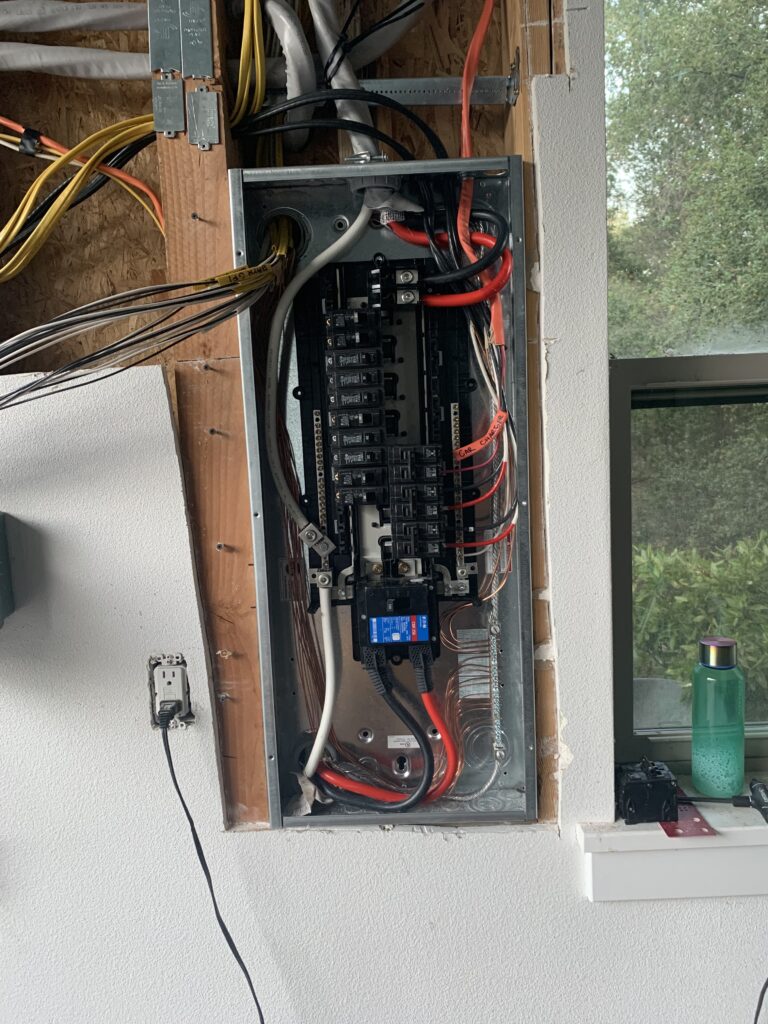
Ground Shifts Stress Pool Wiring Connections
Heavy winter rains and seasonal temperature changes cause soil around pools to expand, contract, and settle. This movement places constant stress on buried conduit, pulling at connections and creating fractures in rigid materials. PVC conduit can crack at couplings and elbows where stress concentrates during ground movement. Metal conduit corrodes more rapidly at these same stress points as protective coatings break down. Each spring brings new damage that may not be visible without careful professional inspection.
The concrete deck around your pool also shifts slightly throughout the winter, affecting any wiring that passes through or under it. Expansion joints can bind against conduit, eventually cracking or severing the protective pathway. Deck-mounted junction boxes and outlets may develop gaps around their mounting that allow water intrusion. Settling soil under the deck creates voids where conduit becomes unsupported and sags over time. Addressing these structural issues during spring maintenance prevents electrical problems throughout the swimming season.
Pool equipment pads experience their own settling issues, particularly when located near drainage paths or downspouts. Shifting pads pull at rigid conduit connections and can crack the conduit where it exits the ground. Flexible liquid-tight conduit between the pump, heater, and controls provides some relief from this stress but still has limits. When a pad settles significantly, the entire equipment layout may need adjustment to maintain proper electrical connections. Professional assessment ensures all conduit runs have appropriate support and flexibility for long-term reliability.
Why You Need Professional Pool Wiring Service This Spring
Pool electrical systems are among the most dangerous residential electrical installations because water magnifies the risk of every small problem. Professional service ensures your system meets current electrical code requirements and protects everyone who uses the pool. A qualified electrician has the tools, training, and experience to identify hidden problems that homeowners simply cannot see. Spring is the ideal time for this service because repairs can be completed before pool season begins. Investing in professional pool wiring service now prevents emergencies and costly damage later.
Licensed Electricians Understand Pool Wiring Codes
Pool wiring is governed by some of the strictest sections of the National Electrical Code, and these requirements change with each code cycle. Licensed electricians stay current on these evolving standards through ongoing education and industry training. They understand the specific requirements for bonding, grounding, GFCI protection, and equipotential planes around pool areas. This knowledge ensures your pool electrical system provides the safety that modern codes demand. Older installations often need updates to meet current requirements, particularly after any repair work.
The bonding grid around a pool creates an equipotential plane that prevents dangerous voltage differences in the water. Every metal component within five feet of the pool must connect to this grid, including ladders, rails, pump motors, and light fixtures. A licensed electrician knows how to test grid continuity and restore any connections that have failed. This system is invisible to pool owners but absolutely critical for swimmer safety. Professional verification confirms your bonding grid still provides the protection it was designed to offer.
GFCI requirements for pool circuits have expanded significantly over the past several code cycles. Devices that once required only standard circuit breakers now need GFCI protection under current rules. Licensed electricians can identify which of your pool circuits need upgrades and install the appropriate protective devices. This work requires proper load calculations and coordination with existing equipment. Professional installation ensures the GFCI devices function correctly without nuisance tripping.
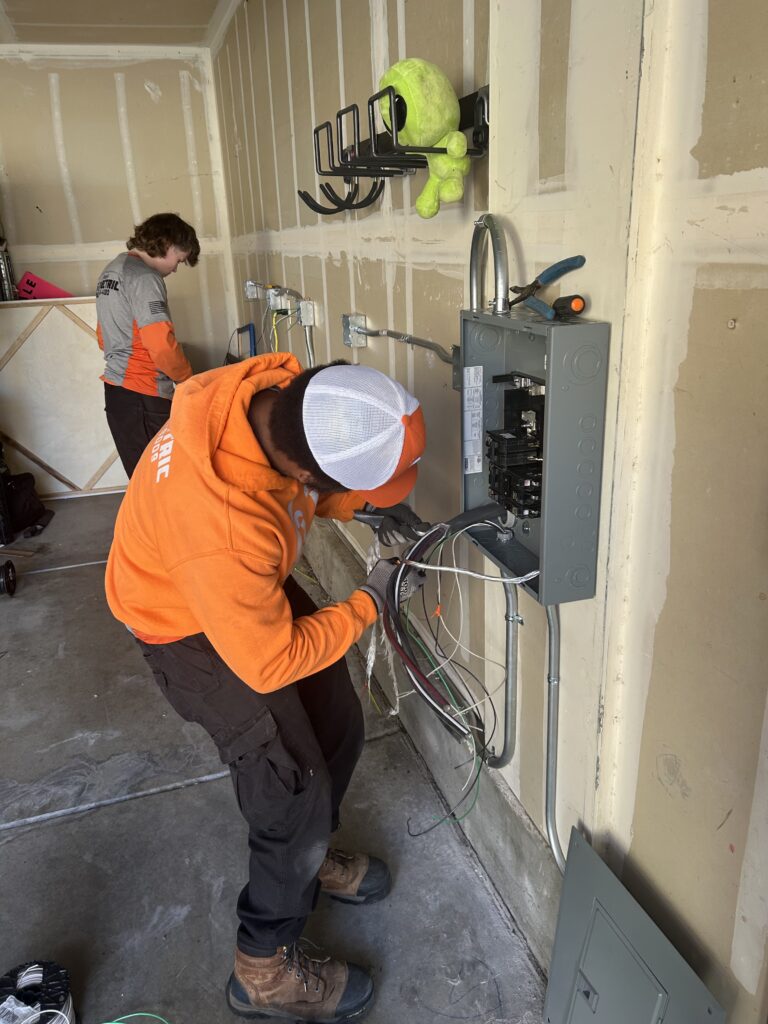
Professional Pool Wiring Service Prevents Dangerous Shocks
Electrical shock in and around swimming pools causes serious injury and death every year across the United States. Electric shock drowning occurs when swimmers become paralyzed by stray current in the water and cannot reach safety. Professional pool wiring service identifies the conditions that lead to these tragic incidents. Testing for stray voltage in pool water requires specialized equipment and training that homeowners do not possess. Regular professional inspection is the only reliable way to catch these invisible hazards.
Ground fault protection forms the last line of defense against electrical shock in pool environments. These devices must function within milliseconds to prevent serious injury when a fault occurs. Professional testing verifies that each GFCI responds within required timeframes and trips at the correct current level. Devices that have degraded over time may still appear to work but fail to trip fast enough during an actual fault. Replacing aging GFCI devices during spring service keeps your protection system reliable throughout swimming season.
Equipment bonding connections prevent voltage differences between metal pool components that could shock swimmers during electrical faults. Professional inspection includes measuring resistance at each bonding point to confirm solid connections. Even minor corrosion can increase resistance enough to compromise the bonding system’s effectiveness. Licensed electricians have the specialized testing equipment needed to verify proper bonding function. This testing provides peace of mind that your pool remains safe for everyone who uses it.
Why Choose 3G Electric for Pool Wiring Service
3G Electric brings extensive experience with pool electrical systems throughout Lincoln and the surrounding communities. Our licensed electricians understand the unique challenges that local soil conditions, weather patterns, and pool designs present. We have earned recognition as the Best of the Best Lincoln electrician and have been featured in SacTown Local for our commitment to quality work. Every pool wiring service includes thorough testing of all safety systems to protect your family. Our work meets or exceeds current electrical code requirements for lasting safety and reliability.
Clear pricing and honest recommendations define how 3G Electric approaches every pool wiring project. We explain what we find, what repairs are truly necessary, and what improvements would benefit your system. Seniors and veterans receive special discounts as part of our commitment to the community we serve. Our team is fully licensed and insured, providing the professional accountability that pool electrical work demands. We stand behind every installation and repair with confidence in our workmanship.
3G Electric serves Lincoln, Roseville, Rocklin, Sacramento, Folsom, Granite Bay, and the surrounding areas with reliable pool wiring service. Whether you need a full system inspection, specific repairs, or upgrades to modern equipment, our team delivers outstanding results. Spring appointments fill quickly as pool owners prepare for summer, so scheduling early ensures your preferred timing. Need pool wiring service before summer? Click here to schedule with our pool wiring team. Contact us today to protect your pool, your family, and your peace of mind for the season ahead.