
How Whole House Surge Protection Shields Your Appliances
Power surges happen more often than most homeowners realize, and they can quietly damage the electronics and appliances you rely on every day. Spring storms across Northern California bring lightning strikes, high winds, and grid fluctuations that send damaging voltage spikes into your home. A single surge can fry a refrigerator control board, ruin a smart TV, or shorten the lifespan of your HVAC system. Whole house surge protection acts as the first line of defense at your electrical panel, stopping excess voltage before it reaches your outlets. Understanding how this system works helps you make smart choices about protecting your investment. If you want to safeguard your home this storm season, click here for our whole house surge protection service.
What Whole House Surge Protection Does for Your Home
Whole house surge protection is a device installed directly at your main electrical panel to intercept voltage spikes before they travel through your wiring. It works by diverting excess electricity safely into the grounding system, keeping your circuits at a steady voltage. Unlike power strips, which only protect one outlet at a time, this system defends every circuit in your home at once. That includes your refrigerator, washer, dryer, HVAC, lighting, and every outlet where smaller electronics plug in. Surges can originate from outside the home, such as lightning or utility grid switching, or from inside, when large appliances cycle on and off. A properly installed surge protector handles both types of threats.
The Role of Whole House Surge Protection at the Electrical Panel
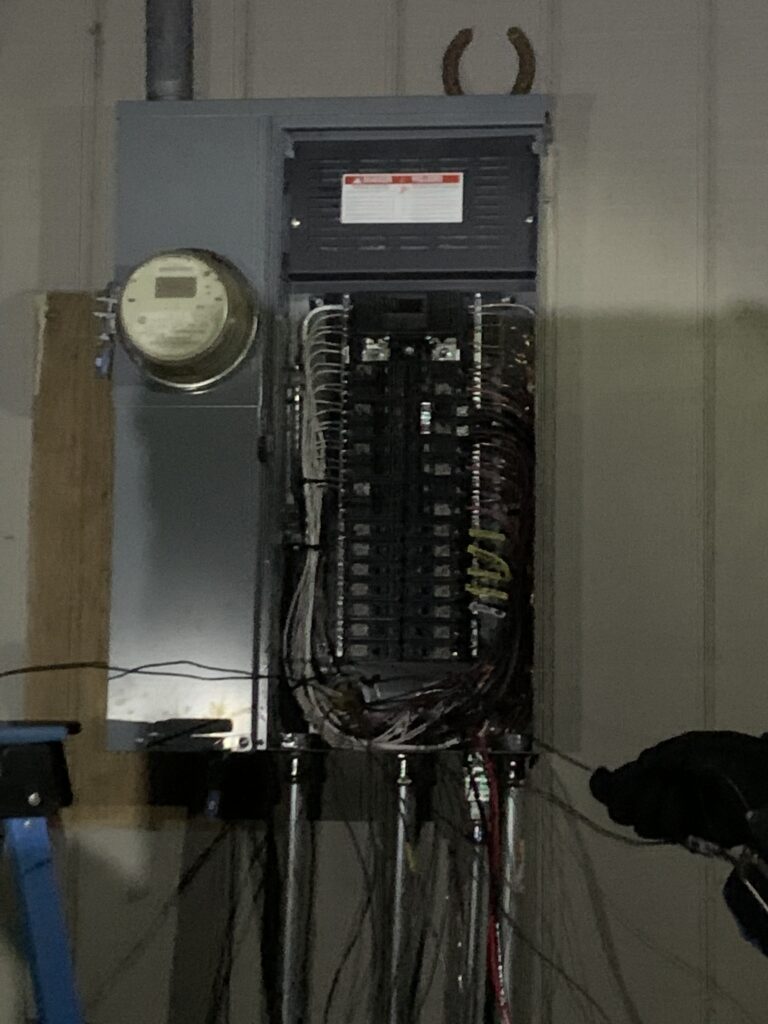
Whole house surge protection starts at the main service panel, where electricity enters your home from the utility lines. The device is wired directly into the panel and sits between the incoming power and your branch circuits. When voltage exceeds a safe threshold, usually around 120 volts for standard residential circuits, the surge protector reacts in nanoseconds. It redirects the excess current into your grounding wire, where it safely dissipates into the earth. This reaction happens so quickly that sensitive electronics never feel the spike. The result is a steady, clean flow of electricity to every outlet and hardwired appliance. Installation must be performed by a licensed electrician because it involves direct work inside the panel.
Modern panels benefit most when surge protection is paired with proper grounding and bonding. If the grounding system is weak or outdated, the surge device cannot do its job effectively. A qualified electrician will inspect the panel, verify the grounding electrode conductor, and confirm the neutral bonding before installing the protector. This step is often overlooked in homes built before the 1990s. Older panels sometimes lack the capacity or terminal space for modern surge devices. Upgrading the panel or adding a subpanel may be necessary to accommodate the new equipment safely.
Homes with solar systems, battery backups, or EV chargers have even more reason to install surge protection at the panel. These systems introduce additional points where voltage fluctuations can occur. A whole house surge protector shields the inverters, charge controllers, and smart monitoring equipment tied to those systems. It also protects the utility meter and any smart home hubs connected to your panel. When the panel is properly protected, every downstream device gains a layer of defense. This is why professional electricians recommend surge protection as part of any modern electrical service upgrade.
The Role of Whole House Surge Protection Against External Threats
Whole house surge protection defends your home from the most powerful external voltage events, including lightning strikes and utility grid surges. Lightning does not need to hit your house directly to cause damage; a strike within a mile can send thousands of volts through power lines. Utility companies also create surges when they switch power between substations or restore service after an outage. These events can push 6,000 volts or more into a home, instantly destroying unprotected electronics. A Type 2 surge protective device, installed at the main panel, clamps this voltage down to safe levels. Without it, even a single event can cause thousands of dollars in appliance damage.
Northern California storm seasons bring a mix of heavy rain, wind, and occasional lightning that stresses local power infrastructure. Trees falling on lines, transformer failures, and rolling blackouts all contribute to surge events. Homes in Roseville, Sacramento, Rocklin, and surrounding areas see these fluctuations regularly during spring and summer. A whole house surge protector absorbs these outside threats before they reach your living space. It reduces the risk of fire caused by overheated wires or damaged appliance components. This kind of protection is especially valuable for homes with expensive electronics, medical equipment, or home office setups.
Some utility companies in California offer meter-based surge protection, but these devices have limitations. They protect the meter and service entrance but may not provide the same level of defense as a panel-mounted unit. A dedicated Type 2 device installed inside your panel offers a lower clamping voltage and faster response time. Pairing both devices creates a layered defense system, which is the gold standard for home electrical protection. Your electrician can assess your current setup and recommend the right combination. This layered approach gives you peace of mind during every storm.
The Role of Whole House Surge Protection Against Internal Surges
Whole house surge protection also guards against surges that start inside your home, which account for a surprising share of electronic damage. Every time a motor-driven appliance like an air conditioner, refrigerator, or pool pump cycles on, it creates a small voltage spike. These internal surges are usually minor, but repeated exposure wears down the capacitors and circuit boards inside your electronics. Over time, this leads to premature failure of TVs, computers, gaming systems, and smart home devices. A whole house surge protector absorbs these daily spikes so your sensitive equipment never feels them. The result is longer appliance life and fewer unexpected repair bills.
Large appliances are often the biggest source of internal surges, especially in homes with older wiring. An HVAC compressor starting up can generate a transient surge of several hundred volts for a fraction of a second. Without surge protection, that spike travels through your panel and into nearby circuits. LED bulbs, smart thermostats, and Wi-Fi routers are particularly vulnerable because their internal components operate at very low voltages. Protecting them at the panel level is far more effective than relying on individual surge strips. This whole-home approach also eliminates the clutter of multiple point-of-use devices.
Homes with EV chargers, hot tubs, and pool equipment see more internal surge activity because these loads draw heavy current. A Level 2 EV charger can pull 40 amps or more, and each charging cycle creates small voltage fluctuations. A surge protector smooths these out and keeps your panel stable. It also protects the charger itself, which contains sensitive electronics that are costly to replace. Combining surge protection with a proper electrical panel installation creates a safer, more reliable system. This is the foundation of a modern, energy-efficient home.
Which Appliances Benefit Most From Whole House Surge Protection
Every appliance with a circuit board or microprocessor benefits from whole house surge protection, and that covers nearly everything in a modern home. Refrigerators, dishwashers, washing machines, ovens, and HVAC systems all contain sensitive electronics that can be destroyed by a single spike. Entertainment systems, computers, and smart home hubs are even more vulnerable because they operate at lower voltages. Replacing these items after a surge is expensive, and insurance often does not cover the full cost. A one-time investment in surge protection pays for itself the first time a storm rolls through. Knowing which items are most at risk helps you understand the value of this system.
How Whole House Surge Protection Saves Major Appliances
Whole house surge protection is especially valuable for large appliances like refrigerators, ovens, washers, and dryers. These units contain control boards that manage everything from temperature settings to cycle timing. A surge can burn out the board and render the entire appliance useless, even if the motor and mechanical parts still work. Replacing a control board often costs hundreds of dollars, and for some models, the part is no longer available. Surge protection prevents this damage and extends the useful life of your appliances. It also reduces the frequency of service calls and unexpected breakdowns.
HVAC systems are among the most expensive appliances in any home, and they are highly sensitive to voltage spikes. The compressor, blower motor, and thermostat all rely on electronic controls that can be damaged in an instant. A surge event can cost thousands of dollars in HVAC repairs or force an early replacement. Whole house surge protection shields the entire system, from the outdoor condenser to the indoor air handler. This is especially important in Northern California, where summer heat drives heavy HVAC use and increases surge risk. Protecting your HVAC is one of the strongest arguments for installing a panel-level surge device.
Kitchen appliances have become increasingly electronic, with touchscreens, Wi-Fi connectivity, and programmable features. Modern ovens, dishwashers, and microwaves all contain circuit boards that are easily damaged by surges. Smart refrigerators with cameras and inventory tracking are even more vulnerable. A single spike can wipe out the electronics while leaving the mechanical parts intact, forcing a full replacement. Whole house surge protection keeps these investments safe and extends their usable life. It also helps maintain warranty coverage, since some manufacturers require surge protection for full coverage.
How Whole House Surge Protection Saves Electronics and Smart Devices
Whole house surge protection is critical for the growing number of smart devices in modern homes. Wi-Fi routers, smart speakers, security cameras, video doorbells, and smart thermostats all operate on low-voltage circuits. Even a small surge can damage their internal components and cause them to fail. Replacing these devices adds up quickly, and the loss of a security system during a storm creates real safety concerns. A whole house surge protector keeps the entire network online and functioning. It also protects the hub devices that coordinate your smart home ecosystem.
Home entertainment systems represent another major investment that benefits from panel-level surge protection. Large-screen TVs, soundbars, gaming consoles, and streaming devices all contain sensitive circuitry. A surge can destroy these items in a single event, and repairs are often not cost-effective. Whole house surge protection combined with point-of-use surge strips creates a layered defense. The panel device handles the large spikes, while the strip filters out smaller fluctuations at the outlet. This two-tier approach is what professional electricians recommend for high-value electronics.
Home offices have become standard in many households, and the equipment inside them is vulnerable to surge damage. Computers, monitors, printers, and backup drives all contain delicate components. Losing data to a surge event can set back work for days or weeks. Whole house surge protection keeps your office equipment running safely through storms and grid events. It also protects the chargers, docking stations, and networking gear that tie everything together. For anyone who works from home, this protection is a smart investment in productivity and peace of mind.
How Whole House Surge Protection Saves EV Chargers and Specialty Equipment
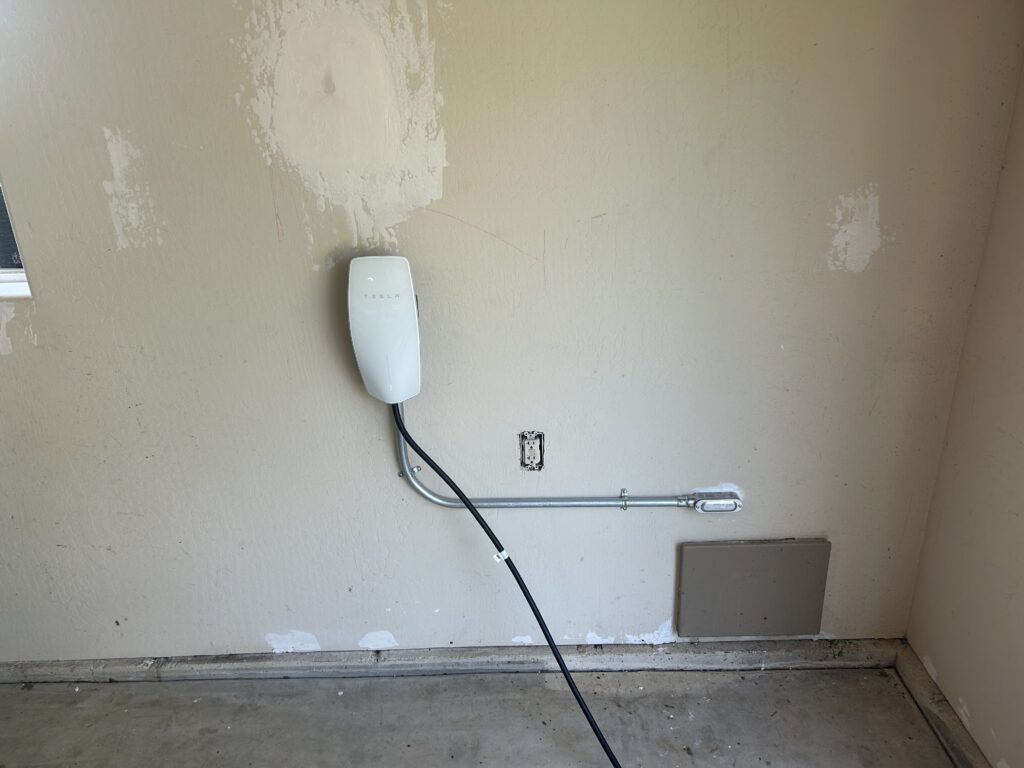
Whole house surge protection is essential for homes with EV chargers, which are expensive and electronically complex. A Level 2 charger contains communication boards, relays, and safety circuits that can all be damaged by a surge. Replacing a damaged charger can cost well over a thousand dollars, not counting the lost use during repair. Surge protection at the panel shields the charger and the vehicle connected to it. This is especially important for Tesla and other certified installations, where equipment is tied to manufacturer warranties. Protecting the charger also protects the battery management systems in the vehicle.
Specialty equipment like pool pumps, hot tub controls, and irrigation systems also benefit from whole house surge protection. These outdoor loads are often more exposed to lightning and storm-related surges because their wiring runs underground or across the yard. Pool and hot tub control boards are expensive to replace, and damage can leave the system inoperable during peak use. Surge protection prevents these failures and keeps your outdoor systems running smoothly. It also protects the GFCI outlets and timers that control them. This is a smart pairing with proper hot tub wiring and pool circuits.
Homes with generators, solar inverters, or battery backup systems need surge protection even more. These systems include advanced electronics that monitor and manage power flow throughout the home. A surge can damage the inverter or transfer switch and disable the backup system right when you need it most. Whole house surge protection keeps these critical components safe and functional. It also works alongside your backup power equipment to deliver clean, steady electricity. This combination creates a resilient home that can weather any storm.

Why You Need Whole House Surge Protection Installed by a Professional
Installing whole house surge protection is not a DIY project, and the quality of installation directly affects how well the device performs. A licensed electrician ensures the device is wired correctly, grounded properly, and sized for your home’s electrical load. They also verify that your panel can safely accommodate the new equipment. Poor installation can leave gaps in protection or create new hazards. Choosing a qualified professional protects both your home and your investment in surge equipment.
Why You Need Whole House Surge Protection Sized Correctly
Whole house surge protection comes in different ratings, and choosing the right one depends on your home’s needs. Residential devices are rated by their surge current capacity, usually measured in kiloamperes, or kA. A typical home benefits from a device rated between 40 kA and 80 kA, though larger homes or those with heavy electronics may need more. An electrician will evaluate your panel, circuit count, and appliance load to recommend the correct rating. Undersized devices may not handle large surges effectively.
The clamping voltage of the device also matters because it determines how much voltage passes through before the protector activates. Lower clamping voltages provide better protection for sensitive electronics. An experienced electrician will select a device with a clamping voltage appropriate for your equipment. They will also verify that the device meets UL 1449 standards, the industry benchmark for surge protective devices. This ensures your protection meets current code and insurance requirements.
Proper sizing also takes into account future expansion, such as adding an EV charger, solar system, or home addition. A good electrician plans for these upgrades during the initial installation. This avoids the need to replace the surge protector later when your electrical needs grow. It also ensures consistent protection as your home evolves. Planning ahead is a hallmark of quality electrical work.
Why You Need Whole House Surge Protection Installed Safely
Whole house surge protection installation requires opening the main electrical panel, which carries serious shock and arc flash risks. A licensed electrician uses proper personal protective equipment and follows lockout-tagout procedures to work safely. They also know how to identify panel issues like double-tapped breakers, corroded bus bars, or undersized wiring that could affect the installation. Attempting this work without training puts both the homeowner and the home at risk. Professional installation protects everyone involved.
Code compliance is another reason professional installation matters. The National Electrical Code and California state amendments set specific requirements for surge protective device installation. These include proper wire sizing, grounding, breaker selection, and labeling. A licensed electrician ensures every detail meets code, which is essential for insurance claims and home resale. Code-compliant installation also means the device will perform as designed during a surge event.
Warranty coverage is often tied to professional installation. Many manufacturers offer connected equipment warranties that cover damage to appliances if the surge protector fails. These warranties typically require the device to be installed by a licensed electrician. DIY installation voids the warranty and leaves you without recourse if something goes wrong. Professional installation preserves your coverage and gives you full value from the product.
Why You Need Whole House Surge Protection From 3G Electric
3G Electric is a trusted name in Lincoln and throughout Placer, Sacramento, and Yuba counties, with a reputation built on honest work and clear pricing. Our team is licensed, insured, and focused on code-compliant installations that keep your home safe for the long term. We explain every recommendation in plain language so you understand exactly what you are paying for and why. Our technicians are trained on the latest surge protection equipment and installation techniques. We stand behind every installation with a commitment to quality and safety.
We hold certifications that matter, including Tesla Certified Installer, Qmerit Certified Installer, and Jellyfish Authorized Dealer. These credentials reflect our ongoing training and commitment to the highest industry standards. We have also been named Best of the Best in Lincoln for electrical services and featured in SacTown Local. Our customers appreciate our attention to detail and respect for their homes. Seniors and veterans receive discounts as part of our thanks for their service and support.
Protecting your home from power surges is one of the smartest investments you can make this storm season. Our team will assess your panel, recommend the right surge protection device, and install it safely and correctly the first time. We also offer full panel upgrades, grounding improvements, and layered surge solutions for homes with higher protection needs. Ready to shield your appliances and electronics from the next surge? Click here for our whole house surge protection service to schedule your installation with 3G Electric today.