
The Importance of Permits for Electrical Work
Home improvement projects are a staple of ownership in Lincoln. Whether you are remodeling a kitchen to increase functionality or upgrading your electrical panel to accommodate modern appliances, the desire to improve your living space is natural. In the excitement of planning and executing these projects, the administrative side of construction often feels like a hurdle. The building permit process is frequently viewed as unnecessary red tape, a way for the city to collect fees and slow down progress. This perspective, while common, misses the fundamental purpose of the permitting system. Permits are not just bureaucratic hoops to jump through. They are the essential framework that ensures the safety, legality, and value of your home.
Electrical work differs significantly from painting or landscaping. If you paint a wall poorly, it looks bad. If you wire a circuit poorly, it can burn your house down. The stakes are incredibly high when dealing with electricity. The permit process exists to verify that the work performed on your property meets the minimum safety standards set by the National Electrical Code and local ordinances. It introduces a system of checks and balances where a neutral third party verifies the quality of the installation. Skipping this step might save time and money in the short term, but the long term consequences can be devastating financially and physically. Understanding the true value of a permit changes it from a nuisance into a critical asset for your property.
Ensuring Safety Through Code Compliance
The primary function of a building permit is to ensure public safety. Electrical codes are not arbitrary rules invented to make construction difficult. They are written in response to tragedy. Every regulation in the code book exists because, at some point in history, a specific wiring method or material caused a fire or an injury. When a licensed electrician pulls a permit, they are committing to follow these rigorous safety standards. The permit triggers a review of the plans before work begins and an inspection of the work after it is completed.
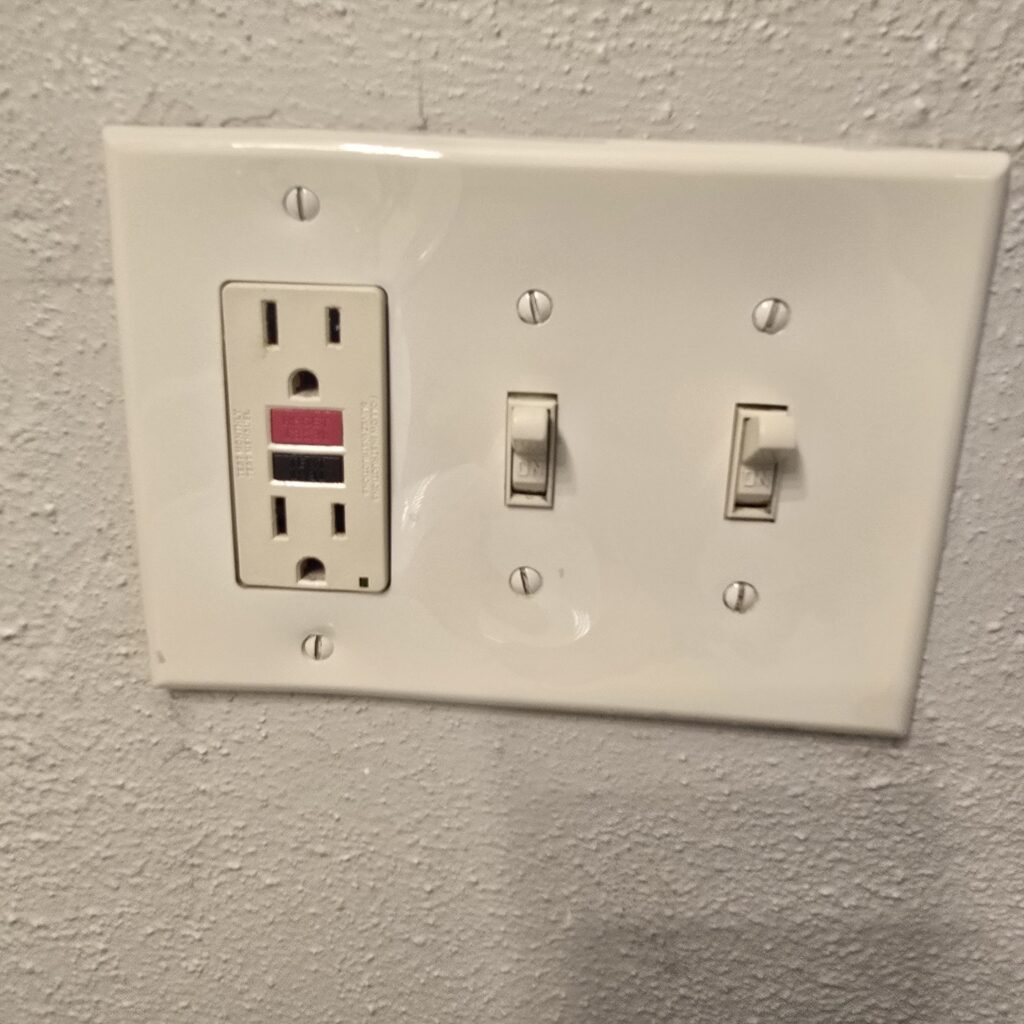
This oversight is crucial because electrical work is often hidden. Once the drywall is up and the paint is fresh, no one can see if the wires inside the wall are properly secured or if the connections are tight. A city inspector looks at the rough wiring before it is covered. They check for proper wire sizing, grounding, and circuit load calculations. They ensure that safety devices like arc fault interrupters are installed where required. Without this inspection, you are relying entirely on the word of the installer. If mistakes were made, they remain buried until they manifest as a failure or a fire.
The safety implications extend beyond your immediate family. Electrical fires can spread to neighboring properties. Faulty wiring can energize plumbing systems that connect to the municipal water supply. The city requires permits because unsafe work puts the entire community at risk. By adhering to the permit process, you contribute to the overall safety of Lincoln’s housing stock. You ensure that your home is not a weak link in the neighborhood’s infrastructure. This commitment to safety is the hallmark of a responsible homeowner who values the well being of their household and their neighbors.
Financial Liability and Insurance Risks
One of the most dangerous misconceptions about unpermitted work is that it only matters if you get caught. The reality is that the financial risks are present from the moment the work is done. Your homeowner insurance policy is a contract between you and the insurer. That contract almost certainly contains language requiring you to maintain the property in accordance with local laws and building codes. If you perform electrical work without a permit, you are violating that contract.
Imagine a scenario where an unpermitted electrical upgrade causes a fire in your home. The insurance company sends an investigator to determine the cause. If they find that the fire started in wiring that was installed illegally, they have grounds to deny your claim. You could be left with a total loss of your property and no financial recourse. You would still owe the mortgage on a house that no longer exists. The few hundred dollars saved on permit fees pales in comparison to the hundreds of thousands of dollars at risk in an insurance dispute.
Furthermore, if someone is injured on your property due to unpermitted work, the liability falls squarely on you. If a guest receives a shock from a faulty outlet or if a contractor is hurt working on an illegal system, you could be sued for negligence. Without the protection of your insurance policy, your personal assets are vulnerable. The permit provides a layer of legal protection. It serves as official documentation that the work was inspected and deemed safe at the time of installation. It shifts the burden of proof and demonstrates that you acted with due diligence to ensure the safety of your property.
The Impact on Resale Value and Real Estate Transactions
For many people, their home is their largest financial investment. Protecting the value of that investment is paramount. When it comes time to sell your home, the history of the property is scrutinized. Real estate disclosure laws in California are strict. You are required to disclose any work done on the property and whether permits were obtained. Lying on a disclosure statement is fraud and can lead to lawsuits years after the sale closes.

Savvy buyers and their agents look for red flags. If they see a renovated kitchen or a new hot tub, they will check the permit history. If they find that major electrical work was done without a permit, it creates immediate distrust. The buyer will wonder what else was done cheaply or illegally. It suggests a pattern of deferred maintenance and cutting corners. This can lead to lower offers or buyers walking away entirely. In a competitive market, you want your home to stand out for its quality, not its liability.
During the closing process, the buyer will hire a home inspector. These inspectors are trained to spot non professional electrical work. If they flag unpermitted modifications, the buyer may demand that you legalize the work before the sale can proceed. This is often a nightmare scenario. You may have to pay a contractor to open up walls so the city can inspect the wiring. You will have to pay the original permit fees plus significant penalties. If the work was done incorrectly, you will have to pay to have it ripped out and redone. The cost and stress of fixing unpermitted work during a sale far exceed the cost of doing it right the first time.
The Role of the City Inspection
The inspection process is the core of the permitting system. It is a quality control measure that benefits the homeowner. City inspectors are experienced professionals who know the code inside and out. They are not there to punish you but to protect you. They act as a second set of eyes on the project. Even the best electricians can make an honest mistake. An inspector catches those mistakes before they become permanent problems.
There are typically two stages of inspection for electrical work. The first is the rough inspection. This happens after the boxes are mounted and the wires are run, but before the insulation and drywall are installed. The inspector checks the routing of the wires, the strapping, the box fill calculations, and the grounding connections. They verify that the system is mechanically sound. This is the most critical phase because it is the only time the infrastructure is visible.
The second stage is the final inspection. This occurs when the project is finished. The inspector checks that all the devices are installed correctly, the circuits are labeled in the panel, and the safety systems are functional. They test the GFCI and AFCI breakers to ensure they trip as designed. Only after passing this final inspection is the permit closed. This signed off permit is a permanent record of quality. It is proof that your electrical system met the highest standards of safety and workmanship. It is a document that adds tangible value to your home.
Defining the Scope of Permitted Work
Homeowners are often confused about what exactly requires a permit. There is a general belief that minor repairs are exempt, but the definition of minor can be subjective. In general, swapping out a light fixture or replacing a broken switch with the same type of device is considered maintenance and does not require a permit. However, any work that involves installing new wiring, adding circuits, or changing the main service panel absolutely requires a permit.
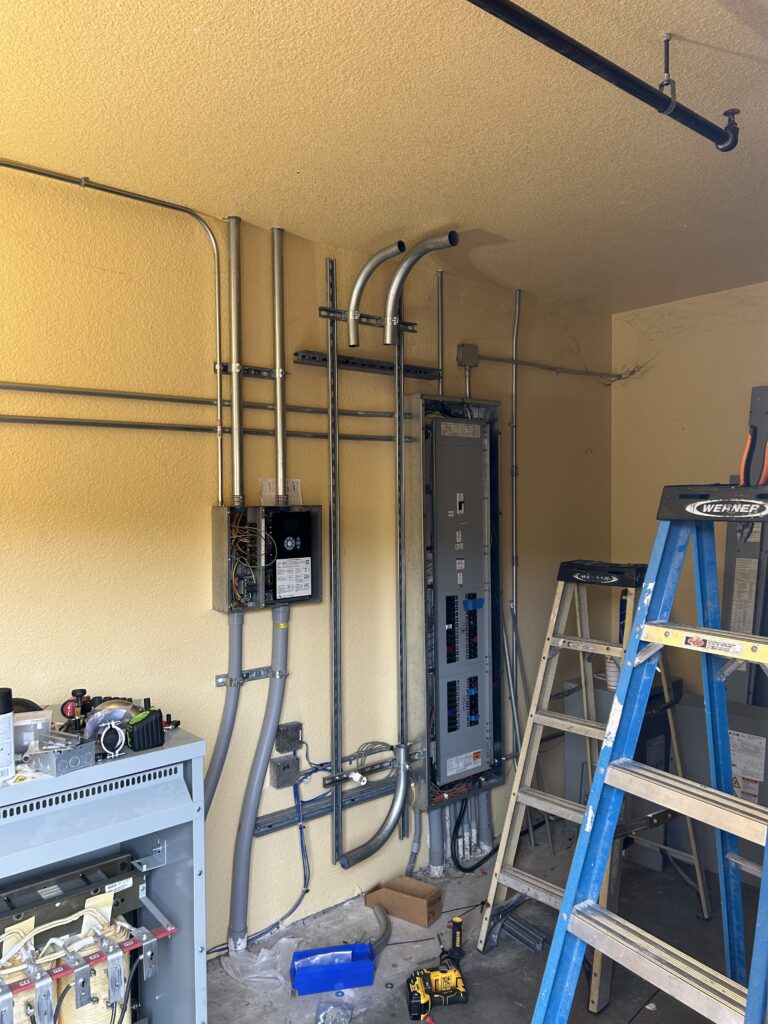
If you are running a new line for a dedicated outlet, that needs a permit. If you are upgrading your panel from 100 amps to 200 amps, that needs a permit. If you are adding recessed lighting that involves fishing new wires through the ceiling, that needs a permit. The rule of thumb is that if you are altering the structure of the electrical system or increasing the load, the city needs to know about it. This includes outdoor work like installing a subpanel for a shed or running power to a new pool pump.
It is always better to ask than to assume. A quick call to the Lincoln building department can clarify the requirements for your specific project. Licensed contractors handle this coordination as part of their service. They know the local amendments and the specific triggers for permitting. Relying on professional advice ensures that you stay on the right side of the law. Ignoring the requirement because the job seems small is a mistake. The size of the job does not dictate the danger. A single improperly wired circuit can cause just as much damage as a whole house rewire.
The Professional Advantage
Hiring a licensed electrical contractor removes the burden of the permitting process from your shoulders. At 3G Electric, we consider permitting to be an integral part of our workflow. We handle the application, the submission of plans, and the scheduling of inspections. We meet the inspector on site to answer questions and open panels. We take responsibility for the work and ensure that it passes every test.
When a contractor pulls the permit, they are putting their license on the line. The city holds them accountable for the quality of the work. This provides an extra layer of assurance for you. If a homeowner pulls the permit as an owner builder, they assume all the liability for the project. They are responsible for worker safety and code compliance. Most homeowners do not have the technical knowledge to manage these risks effectively. Letting the professional handle the permit is the smartest way to manage your renovation.
Contractors also have established relationships with local inspectors. We understand what they are looking for and how they interpret specific code sections. This familiarity streamlines the process and avoids unnecessary delays. We know how to prepare the job site for inspection so that it passes the first time. This efficiency keeps your project on schedule and within budget. The permit fee is a small price to pay for the expertise and project management that comes with a professional installation.
The decision to obtain a permit for electrical work is a decision to prioritize the long term health of your home. It is easy to view the process as an annoyance, but it is actually a vital safeguard. The permit system protects you from unsafe workmanship, financial liability, and legal complications. It ensures that your electrical system is robust, reliable, and compliant with modern safety standards. The peace of mind that comes from knowing your home is safe is invaluable.
Do not let the temptation of cutting corners jeopardize your property. Whether you are planning a major renovation or a specific electrical upgrade, insist on doing it the right way. 3G Electric is committed to transparency and excellence. We adhere to all permitting requirements because we believe in the quality of our work. We stand behind every connection and every circuit we install. Let us help you navigate the process and deliver an electrical system that you can trust for years to come.