
Electrical Upgrades That Help Prevent Breaker Trips
A sudden loss of power in a specific room is a frustration that every homeowner has likely experienced at least once. You might be drying your hair while the television is on and suddenly everything goes dark. You fumble your way to the garage or the hallway panel to flip the switch back on. While this ritual might seem like a minor annoyance it is actually a significant warning sign from your electrical system. A circuit breaker is a safety device designed to cut the power when the current flowing through the wires exceeds safe limits. Frequent tripping indicates that your daily demand for electricity is consistently pushing your system to the brink of failure. Resetting the breaker resolves the immediate symptom but it does nothing to address the underlying cause. Continuing to overload a circuit places stress on the wiring and the connections which can lead to permanent damage or fire hazards. The most effective way to solve this problem is not to change your lifestyle but to upgrade your electrical infrastructure to match your needs.
Lincoln homes vary in age and construction style. Many older properties were built when the average household owned only a few electronic devices. Today we fill our homes with high definition televisions, gaming consoles, smart appliances, and powerful heating and cooling units. This drastic increase in consumption overwhelms systems that were never engineered for such a load. Even newer homes can suffer from poor circuit design where too many outlets are daisy chained together on a single line. Resolving chronic breaker trips requires a strategic approach that involves evaluating the capacity of your panel and the distribution of your circuits. We want to explore the specific electrical upgrades that eliminate nuisance tripping and restore reliability to your home energy system.
Installing Dedicated Circuits for Appliances
The most common cause of a tripped breaker is a simple overload on a general purpose circuit. In many homes the outlets in the kitchen, dining room, and living room share a single electrical path. When you plug a vacuum cleaner into the living room outlet while the microwave is running in the kitchen you exceed the amperage rating of that shared circuit. The breaker detects this surge and shuts down to prevent the wire from overheating. This is why you cannot run the toaster and the coffee maker at the same time without losing power. The solution to this bottleneck is the installation of dedicated circuits.
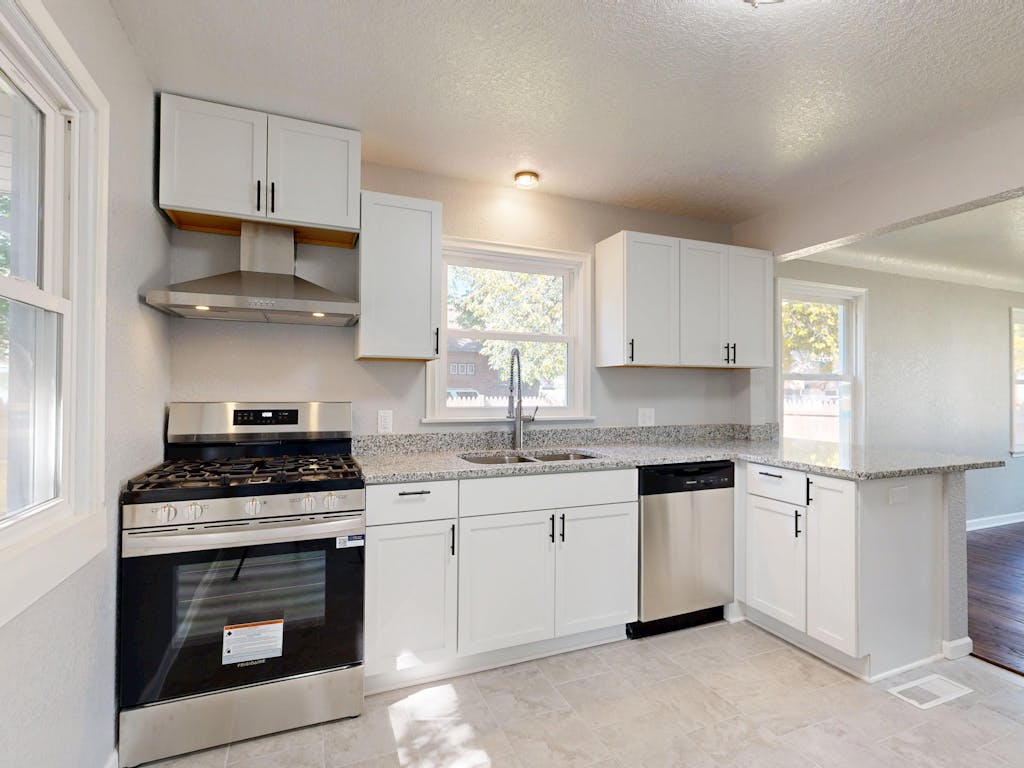
A dedicated circuit is a line that runs from the electrical panel to a single outlet or appliance. It serves no other purpose and shares no other load. Heavy power users like refrigerators, microwaves, dishwashers, and space heaters should always be on their own dedicated lines. This isolation ensures that the substantial current draw of the appliance does not compete with your lights or other electronics. When the refrigerator compressor kicks on it draws a large spike of power. If it is on a dedicated line this spike is easily absorbed. If it shares a line with your home office computer that same spike could trip the breaker and cause you to lose unsaved work.
We can retrofit dedicated circuits into existing homes by fishing new wires through the walls or attic. This upgrade effectively splits the load. Instead of funneling all your usage through one narrow pipe you create multiple pathways for the electricity to flow. This drastically reduces the strain on any single breaker. It allows you to use your kitchen appliances freely without performing a juggling act. You can run the dishwasher and the garbage disposal simultaneously without fear. Adding dedicated circuits is one of the most practical investments you can make to improve the functionality of your home.
Upgrading the Main Service Panel
Sometimes the issue is not with a single circuit but with the capacity of the entire house. The main service panel is the heart of your electrical system. It receives power from the utility grid and distributes it to the branch circuits. Many older homes in Lincoln still operate on 100 amp or even 60 amp service panels. These panels were sufficient forty years ago but they are woefully inadequate for modern living. If you find that your main breaker trips or that your lights dim significantly when the air conditioner turns on it is a sign that your panel is maxed out.
A service panel upgrade involves replacing your existing box with a larger unit that has a higher amperage capacity. Moving to a 200 amp service is the standard for contemporary homes. This upgrade provides a larger reservoir of power for your property. It allows you to run multiple high demand appliances at once without threatening the system integrity. A larger panel also provides more physical space for breakers. Many older panels are physically full which means you cannot add any new circuits even if you wanted to. A new panel gives you the slots needed to expand your system.
This upgrade also addresses the issue of physical deterioration. The bus bars and connections inside an old panel can corrode and loosen over time. This creates resistance which generates heat and causes breakers to trip prematurely. A new panel features fresh copper or aluminum bus bars that conduct electricity efficiently. It ensures that the power entering your home is distributed cleanly and safely. While a panel upgrade is a significant project it is the only way to solve widespread power issues and prepare your home for future additions like electric vehicle chargers or hot tubs.
Replacing Old and Weak Breakers
Circuit breakers are mechanical devices with internal springs and bimetallic strips. They are designed to trip when heated by excess current. Like any mechanical device they wear out over time. A breaker that has tripped dozens of times can become weak. The internal spring loses its tension and the calibration of the trip mechanism drifts. This results in a breaker that trips at a much lower amperage than its rating. A 20 amp breaker might start shutting off at 15 amps or even 10 amps. In this scenario the load is not the problem. The safety device itself is the point of failure.
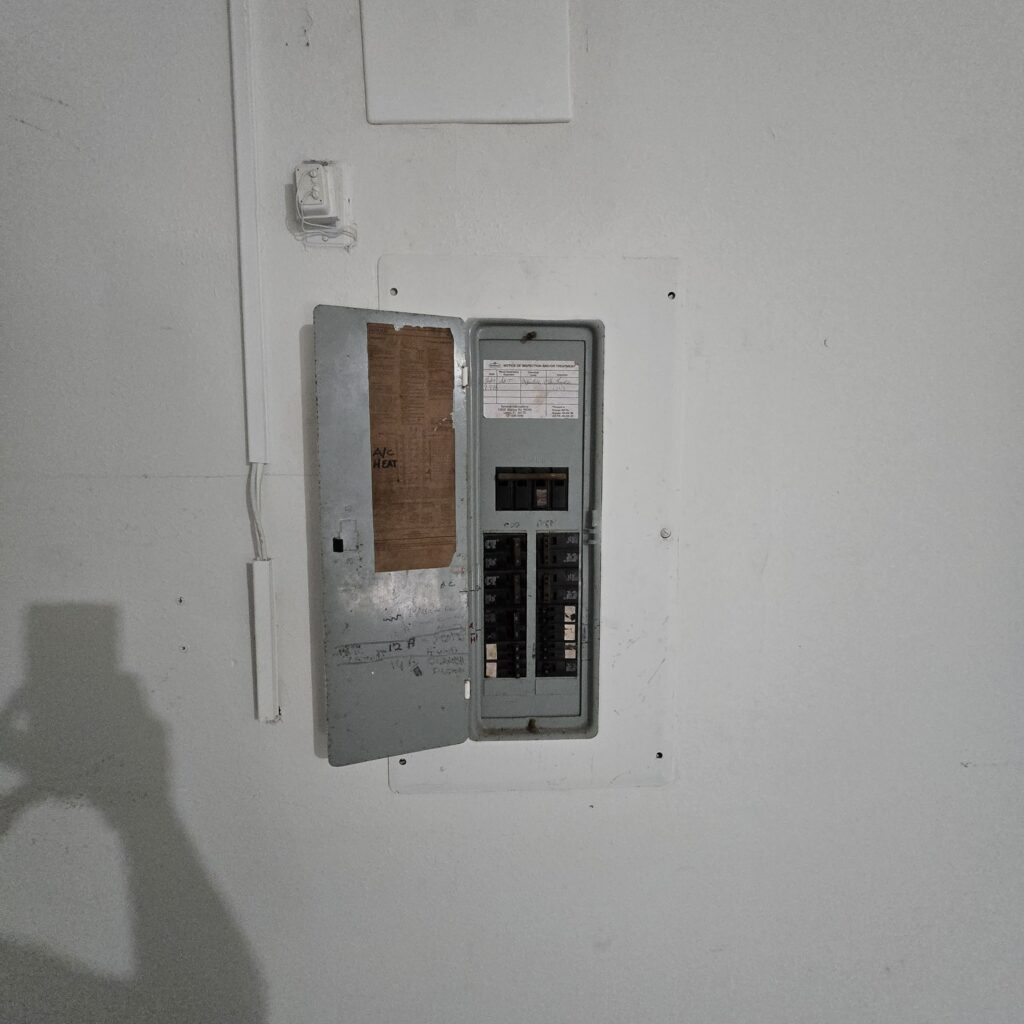
Identifying a weak breaker requires professional testing. We use meters to measure the actual load on the circuit when the trip occurs. If the load is well within the safe range and the breaker still cuts power we know the unit is defective. Replacing the breaker is a straightforward repair that restores the full capacity of the circuit. It is important to use new breakers that are compatible with your specific panel. Mixing brands or using forced fit breakers is a code violation that can create dangerous arcing.
Arc Fault Circuit Interrupters and Ground Fault Circuit Interrupters are sensitive safety devices that can also be prone to nuisance tripping if they are old or installed incorrectly. Early generations of these breakers were known for being overly sensitive to things like vacuum cleaner motors or treadmill motors. Modern versions are much more sophisticated and stable. Upgrading your old AFCI or GFCI breakers to the latest models can eliminate false alarms while maintaining the high level of safety they provide. This ensures that when a breaker trips it is because of a genuine hazard and not a technological glitch.
Redistributing Electrical Loads
A well designed electrical system is balanced. The electrical load should be spread evenly across the two phases of power entering your home. In many cases amateur renovations or poorly planned additions result in a lopsided system. You might have all the heavy appliances on one side of the panel while the other side carries almost no load. This imbalance can cause voltage fluctuations and put excessive stress on the main neutral wire. It can also lead to individual breakers running hotter than they should.
We can analyze the load distribution of your panel to identify these imbalances. By moving breakers to different slots we can even out the demand. This simple reorganization can improve the efficiency of the system and reduce the likelihood of trips. We also look at which rooms are grouped together. It makes no sense for the master bedroom and the garage to share a circuit yet we see this often in older wiring. Separating these illogical groupings helps you manage your power usage more intuitively.
If a specific room like a home office requires more power than a standard lighting circuit can provide we can split that room off onto its own circuit. This is often necessary for people who work from home with multiple monitors, printers, and servers. Isolating your sensitive electronics from the rest of the house protects them from surges caused by other appliances and ensures that your work day is not interrupted by someone using a hair dryer in the bathroom. Load redistribution is a smart engineering solution that maximizes the potential of your existing equipment.
Addressing Loose Connections and Wiring Faults
A breaker trip is not always caused by an overload. It can also be caused by a short circuit or a ground fault. These conditions occur when the hot wire touches the neutral wire or the ground wire. This creates a path of least resistance that allows a massive amount of current to flow instantly. The breaker trips immediately to prevent an explosion or fire. Short circuits are often caused by damaged wiring insulation or loose connections inside outlet boxes.
Loose connections are a major cause of intermittent tripping. When a wire is loose under a screw terminal it can arc. This arcing creates heat and fluctuates the current flow. The breaker senses this instability and shuts down. Aluminum wiring is particularly prone to this issue because the metal expands and contracts with temperature changes. Over time this movement works the connections loose. Tightening every connection in the house to the proper torque specification can eliminate these phantom trips.
We also inspect the condition of the insulation. Rodents chewing on wires in the attic can expose the copper conductor. If this exposed wire touches a nail or a pipe it will cause a hard short. Finding and repairing these damaged sections is critical. Sometimes the fault is inside a light fixture or an old appliance. We use isolation techniques to locate the exact source of the trouble. Fixing the wiring fault prevents the breaker from having to act. It restores the physical integrity of the circuit so that electricity stays in its intended path.
Implementing Subpanels for Expansion
When a main panel is overcrowded and the runs to certain parts of the house are too long a subpanel is an excellent solution. A subpanel is a smaller satellite panel that is fed from the main service. It is often installed in a garage, a workshop, or a new addition. Installing a subpanel takes the pressure off the main panel. It allows you to move several circuits out of the main box which frees up space and reduces the heat buildup inside the enclosure.
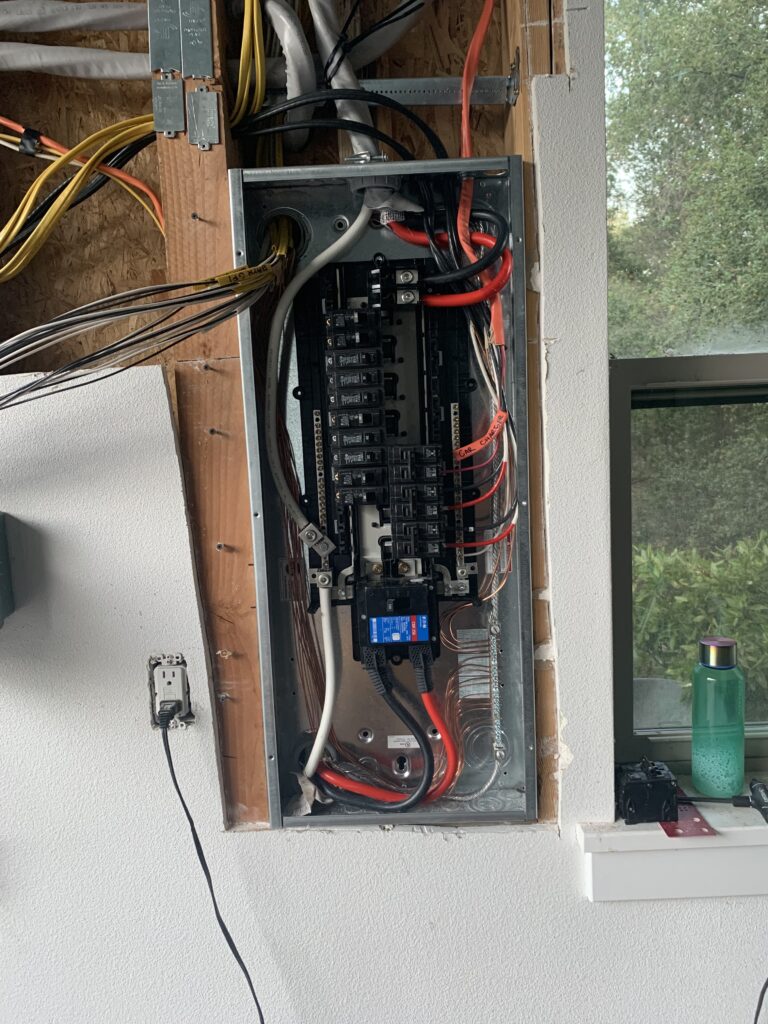
Long wire runs suffer from voltage drop. If you run a wire from one end of a large house to the other the voltage at the outlet will be lower than the voltage at the panel. This forces appliances to draw more amps to compensate which can trip the breaker. A subpanel brings the source of power closer to the point of use. This shortens the branch circuit wires and maintains proper voltage levels. Your tools and appliances will run cooler and more efficiently.
Subpanels also allow for better organization. You can keep all your workshop tools on one panel and your house lights on another. If you trip a breaker in the shop you do not lose the lights in the kitchen. This segmentation improves the usability of the electrical system. It isolates heavy loads and prevents them from impacting the rest of the home. We ensure that all subpanels are properly grounded and separated from the neutral bus to maintain safety compliance.
The Role of Whole Home Surge Protection
Power surges can damage the internal components of your circuit breakers. A surge is a sudden spike in voltage that can come from the utility grid or from inside your own home. Lightning strikes are the most dramatic cause but the cycling of large motors in AC units is more common. These repetitive spikes degrade the insulation on the windings inside the breaker and the sensitive electronics in AFCI devices. Over time this damage makes the breaker unreliable and prone to tripping.
Installing a whole home surge protector at the main panel filters these spikes before they can enter your system. It acts as a gatekeeper that diverts excess energy to the ground. This protects not only your television and computer but also the infrastructure of the panel itself. By preserving the condition of your breakers you ensure that they maintain their calibration. A healthy breaker is less likely to trip unnecessarily.
Surge protection is a preventative measure. It extends the lifespan of every electrical component in your house. It reduces the cumulative wear and tear that leads to failure. Modern electrical codes now require surge protection for new services because the electronics in our homes are so vulnerable. Retrofitting this device onto your existing panel is a cost effective way to add a layer of defense against grid instability and internal fluctuations.
A reliable electrical system is the backbone of a functional home. Constant breaker trips are more than just a nuisance. They are a clear signal that your current setup is struggling to meet your demands. Ignoring these warnings leads to damaged appliances and potential safety hazards. The solution lies in modernizing your infrastructure to handle the reality of today’s power consumption. From installing dedicated circuits for heavy appliances to upgrading the main service panel for increased capacity there are clear engineering solutions to these problems.
You do not have to live with the fear that turning on the vacuum will plunge your house into darkness. Taking proactive steps to balance your load and replace aging components restores stability. 3G Electric specializes in diagnosing and correcting the root causes of power failures. We help Lincoln homeowners transition from outdated wiring to robust systems that deliver consistent performance. Let us evaluate your panel and your circuits to design a plan that stops the tripping and starts delivering the power you need. Contact us today to secure a safer and more reliable energy future for your home.